 BURST
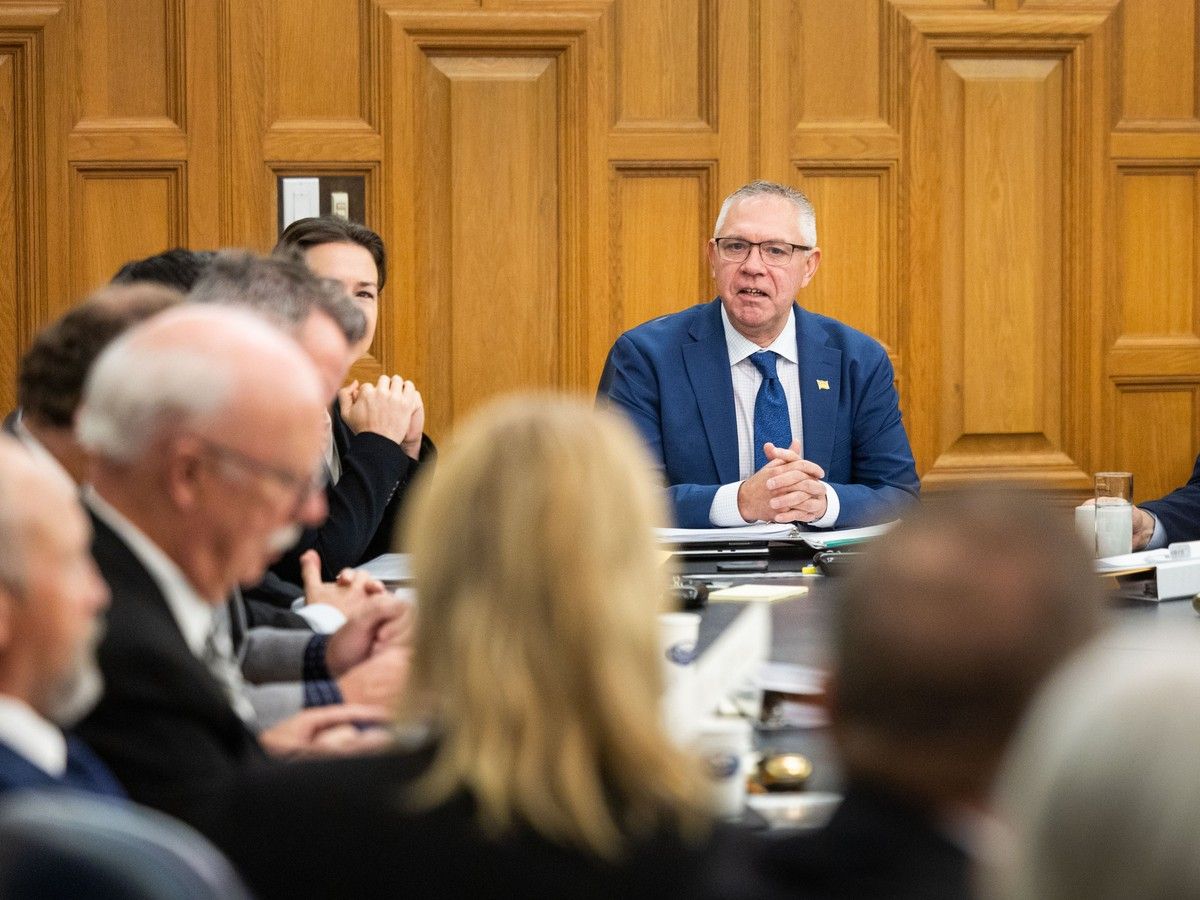
Premier Lorne Doerkson wants to streamline the size of government by reducing administration and management positions in the public service, but some political observers say he won’t be able to accomplish this through attrition alone and that layoffs will be necessary.
In his mandate letter, Finance Minister Peter Milobar has been directed to “end duplication and return administrative and management staffing to the level it would have reached had it grown consistent with B.C.’s population growth since 2016-17, while ensuring front-line workers are protected.”
Doerkson said he hopes to accomplish this through attrition.
“We need to be focusing on bolstering our front lines, and certainly my concern around the growth over the last number of years is real, but we’re not committed to laying off thousands of people,” he said this week.
Paul Finch, president of the B.C. General Employees’ Union, said he supports the move as management and excluded positions in the public service exploded under the NDP, from 5,202 in 2017 to 7,599 in 2025, before dropping slightly to 7,249 this year.
Math done by his staff estimates it would take the elimination of roughly 1,400 management positions to bring that part of the public service in line with population growth.
On administration, he hopes the government does not include unionized workers in that total.
“Administrative can mean different things, but in the context of the civil service, administrative professionals specifically mean folks like court clerks in the health system. It means hospital admittance clerks,” said Finch. “These are people that are actually front line and quite crucial to the whole system.”
Bart Cunningham, a University of Victoria public administration professor, said there is no way the government can reach its target without layoffs.
He said Doerkson’s approach so far seems to be kinder than the core review launched by former Liberal premier Gordon Campbell after he formed government in 2001. That core review led to the cutting of over 11,700 jobs in the public service, one-third of the public service, and the closing of a number of government offices.
“They’ve been signalling all along to reduce the size of public service, and attrition is not going to do it. They will have to get more serious, rightly or wrongly. The budget is really needing some surgery,” said Cunningham.
Justin Wiltshire, a professor of labour economics at the University of Victoria, said he estimates the government target would require cutting 5,000 to 6,000 positions.
Wiltshire said that if the Conservatives really wanted to target the province’s $14 billion deficit, then they would cut 60,000 to 90,000 jobs in the wider public sector over five years.
“When you look at the overall, the total compensation for public sector workers, you’re talking about 60 per cent of provincial spending,” said Wiltshire.
“With the deficit, what it is, with the additional promises both on the revenue reduction side with tax cuts, and also additional spending promises to maintain or improve services and health care, you know, that’s only going to get worse unless you find some way to cut.”
Doerkson also told reporters Thursday that he has directed his head of the public service, Kim Henderson, to mandate a return to office for members of the public service.
He said it won’t happen all at once and that he is willing to consider exemptions for government workers who live in rural and remote communities.
“Nobody’s being told to be back at a desk by Monday. That’s why the plan is going to be phased, and it’s why Kim has the room to sequence it properly. She knows how this organization runs far better than I do, and I trust her to get this right.”
In a letter to Henderson, the premier said he believes “greater in-person collaboration will strengthen teamwork, mentorship, professional development and organizational culture while supporting strong service to the public.”
He directed her to review all remote work provisions, create an inventory of existing office space and determine what accommodations are needed for specific employees.
Finch said his union has not been consulted by the new government on the return to office mandate, despite sending a letter to Doerkson and Henderson.
“We’ve heard a lot from rural communities that have a number of folks that are now able for the first time for the past few years to work remotely, and how it’s benefited their local economy,” said Finch.
“It eased traffic congestion, particularly in the capital region, and has brought more folks into their communities.”
Wiltshire said he sees little benefit from ordering the public service back to work, with little evidence it will improve productivity.
There is also the question of whether the government has enough office space.
The Downtown Victoria Business Association estimated there was a 13 per cent office vacancy in the city as of the end of the third quarter of 2026, but Doerkson said he doesn’t know how much available space the government has or what it would cost to get everyone back to the office.
Victoria Councillor Stephen Hammond said the city is worried about the government’s plan to move Ministry of Transportation workers from Victoria to an office in Saanich.
Council passed a unanimous resolution Wednesday directing Mayor Marianne Alto write to the province to halt the move.
“We would encourage them to return the offices to downtown Victoria where possible, and then we also would like them to consult with the city on other further locations, just because of the huge impact that the provincial government offices have on the city of Victoria,” said Hammond.