 BURST
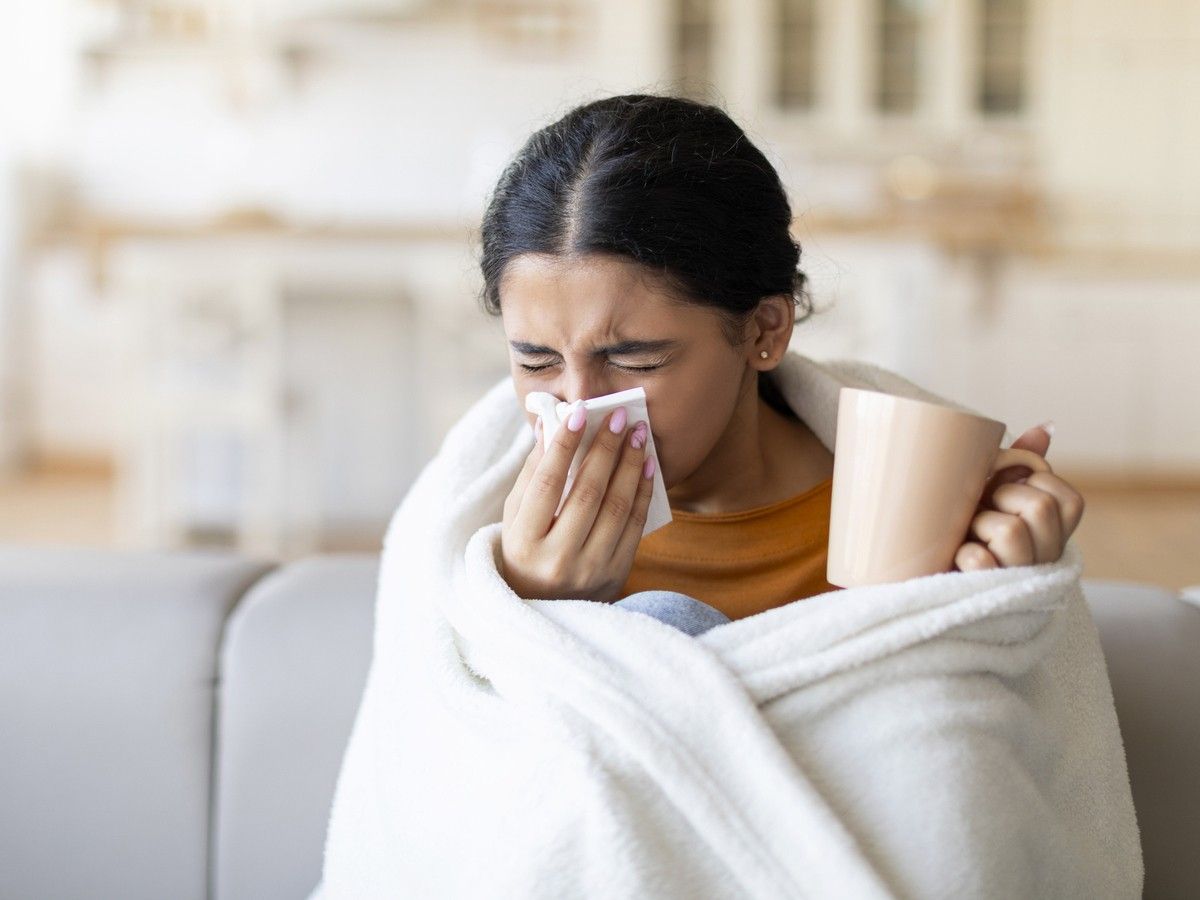
B.C. has some of the highest influenza activity in Canada, with the virus linked to multiple outbreaks at long-term care homes across the Lower Mainland.
The latest federal data put B.C.’s flu activity in the “high” category, with 17.8 to 27.4 per cent of flu tests coming back positive at public health laboratories. Only Nunavut ranked higher.
Dr. Brian Conway, medical director of the Vancouver Infectious Disease Centre, said the spread appears to be linked to a strain of influenza-A circulating along the West Coast.
“It’s a mutated strain of H1N1, and it transmits a little bit easier,” Conway told Postmedia. The infectious disease specialist said it is believed to have entered North America from the Pacific region.
“It’s still people aged 65 and older as the majority,” Conway said. He noted older adults are also among those at greatest risk of serious complications from the virus, as well as children under five years of age.
The virus has made its way into care homes across the Lower Mainland.
Fraser Health’s latest online bulletin lists 12 active influenza outbreaks at long-term care homes, declared between Oct. 23 and Nov. 10. Vancouver Coastal Health’s online bulletin shows five flu outbreaks at facilities, including four at care homes and one at a hospital in Sechelt.
The province’s own surveillance data also show elevated flu activity, although the B.C. Centre for Disease Control uses a different classification system.
A report from the centre, published Nov. 4, found that influenza activity had increased during the first eight weeks of the 2026-27 flu season. Of the 363 respiratory samples collected through the province’s sentinel surveillance network between Aug. 30 and Oct. 24, 82 tested positive for influenza, a positivity rate of 23 per cent.
In its weekly update published Nov. 5, the B.C. Centre for Disease Control classified flu activity as “moderate” for the week of Oct. 25 to 31. During the comparable week last year, the agency classified flu activity as “low”.
The rise is also showing up in hospital numbers across the country. Federal data show 1,699 influenza-associated hospitalizations reported since Aug. 30, as well as 77 ICU admissions reported since the start of the season, with a total of 31 deaths. Reporting varies across the country, with hospitalization data covering 83 per cent of Canadians, and ICU and death data covering 22 per cent.
B.C. began its free influenza vaccination campaign earlier this fall. Notifications to book appointments began for higher-risk populations on Oct. 5.
“We saw it coming, and the response from public health is to vaccinate more people more quickly,” Conway said.
But an early start doesn’t necessarily mean a more severe flu season, he said. Rather, the season could follow a similar pattern to previous years, just starting earlier.
Conway worries people will put off vaccination until December, when holiday gatherings could create more opportunities for transmission. He said activity across the country typically peaks during the winter months.
“If you get it on Dec. 20, this is better than not getting it, but it would have been even better two weeks ago,” he said, noting peak protection takes around two weeks.
“Get your vaccine, especially vulnerable populations and those who live with them.”
Conway is also concerned about what he sees as “complacency” around flu vaccination, with many people repeatedly putting off getting their shots.
“As I talk to people, they say, ‘Oh, yeah, I’ll get it,'” he said. “Then I talk to them the next week, and they tell me: ‘Oh, you know what? I didn’t get around to it.'”
Conway said the flu vaccine in B.C. is expected to offer meaningful protection against the circulating flu strain, particularly against severe illness.
He also urged B.C. residents to avoid exposing others to respiratory viruses by washing their hands and to consider wearing masks in crowded settings, particularly when transmission is high or when protecting someone medically vulnerable.
“Don’t show up to work. If you have to, wear a mask,” Conway added.
Influenza vaccination appointments can be booked at a B.C. pharmacy by calling 1-833-838-2323.
[/Related links]
For more health news and content around diseases, conditions, wellness, healthy living, drugs, treatments and more, head to Healthing.ca – a member of the Postmedia Network.