 BURST
BURST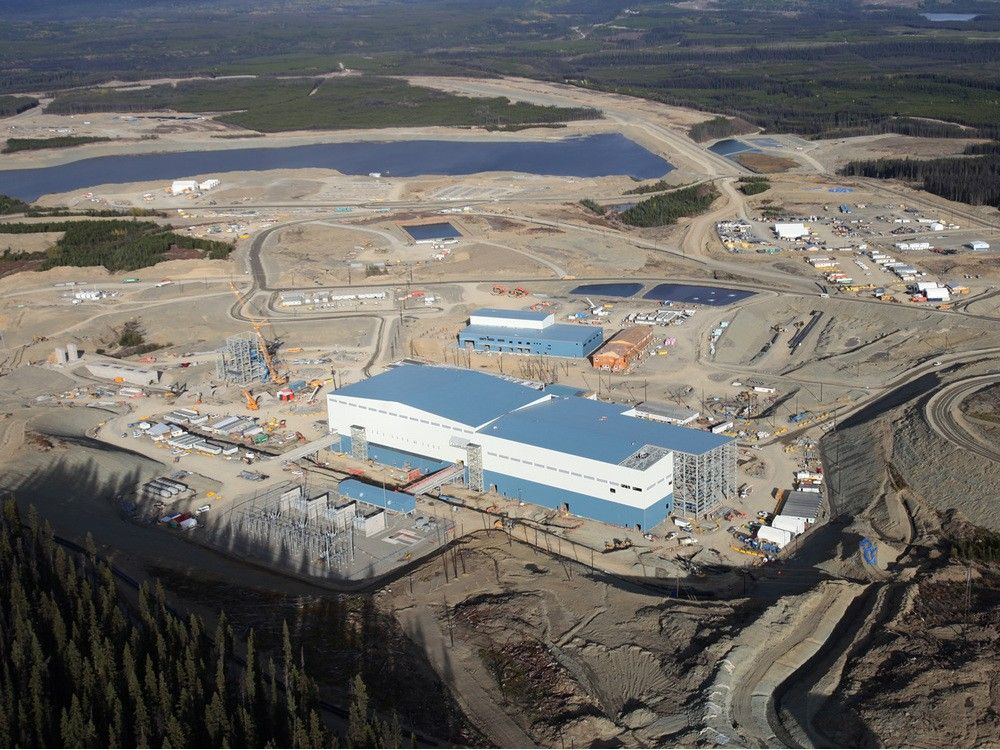
B.C. has signed off on the final permits for a major mine expansion in the province’s northern Interior, and is holding the event up as proof that it is taking action to speed up activity in the sector.
Normally, it can take up to two years to finalize construction permits for a mining project, Mining Minister Jagrup Brar said. However, the province took less than 10 months to work through the process for a mine-life extension of Centerra Gold’s Mount Milligan copper and gold mine 155 km northwest of Prince George.
Centerra received its environmental permit Jan. 5, and Wednesday’s approval paves the way for Centerra to start work on the expansion of its existing mine, which will add seven years to its life out to 2035, with the potential in the deposit for “decades of mine life,” according to CEO Paul Paul Tomory.
Tomory referred to a pilot project that sped up Mount Milligan’s approval as “the most efficient permitting processes that I’ve ever been involved in.”
Tomory said the pilot project’s results are a far cry from the timelines he would have expected even a few years ago.
The milestone was also a big enough deal for Premier David Eby to join Brar at the B.C. Natural Resources Forum to make the announcement for what has become the marquee event for trying to impress industrial companies.
“This means hundreds of jobs are guaranteed for families for the next decade,” Eby said. “It means hundreds of millions of dollars in the local economy, resources for the province to be able to deliver health care, education and other critical services.”
And he heralded the 10-month timeline “remarkable, given that typical approvals were previously two years for a project like this.”
Delays and extended timelines for permitting with rules that seem to change midstream have long been key complaints in the mining industry that the pilot project for Mount Milligan was intended to resolve.
Brar said they ran a “single application” combined process in which all relevant offices, from his ministry, the ministry of environment and environmental assessment office, receive the information at the same time to eliminate any duplication.
Eby said the province tested the process first with Teck Resources’ $2.4 billion Highland Valley copper mine-life extension project, which took 34 per cent less time than usual. Then Mount Milligan’s permitting took half the usual time.
“So we’re getting better at it, and our goal is to ensure that those benefits accrue to projects that are in the process going forward,” Eby added.
That will include Newmont Corp.’s $2.6 billion mine-life extension of its Red Chris copper gold mine 360 km northwest of Smithers in B.C.’s northwest.
Tomory added that Centerra’s experience with the Mount Milligan pilot project gave his company the confidence it needed to consider pulling another mine in its portfolio, the Kemess gold copper mine, north of its Mount Milligan property, out of mothballs.
“Should we proceed with that, that would be over $1 billion of direct capital investment,” Tomory said.
The Red Chris, Mount Milligan and Highland Valley extension projects are also on Eby’s list of key resource projects he wants to see approved as measures to bolster B.C.’s economy against the risks of trade tensions with U.S. President Donald Trump.
Eby joined in the announcement the day after Prime Minister Mark Carney gave his landmark speech to the World Economic Forum in Davos, Switzerland in which he declared “the old order is not coming back,” and middle powers need to stand together against the economic coercion of the major powers.
“These are the foundational, wealth-generating opportunities for our province that underwrite so much more of the work that we have to do, both as a province and a country as we work to stand on our own two feet in this challenging global environment,” Eby said.