 BURST
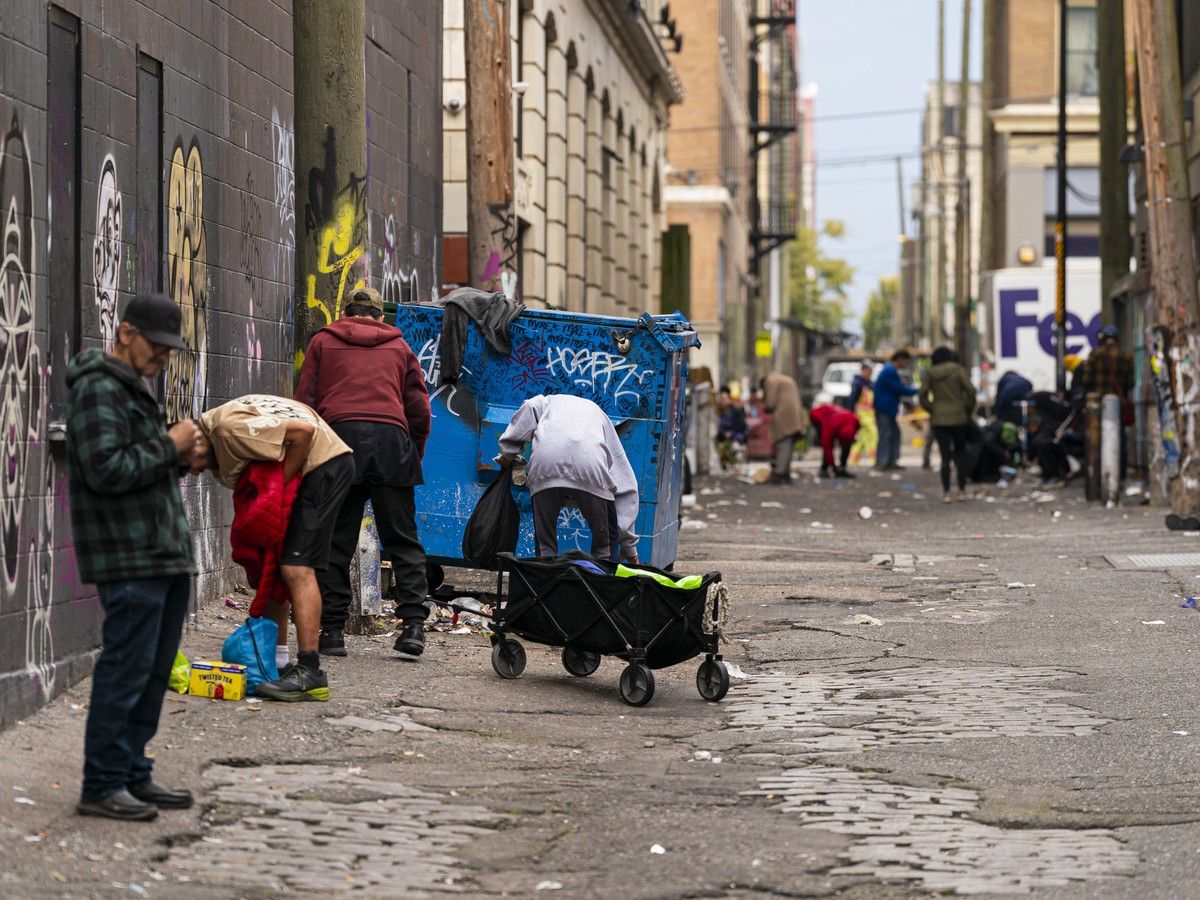
Almost 70 per cent of Vancouver voters want laws banning open-air drug use, according to the results of a plebiscite conducted during last Saturday’s municipal election.
Around the same percentage are also in favour of creating a secure site in Vancouver for at least 100 involuntary care beds.
Voters were asked two questions on the ballot.
Question 1: Are you in favour of the City of Vancouver strengthening its laws to forbid open-air hard drug (Heroin, Meth, Fentanyl, and Crack) use in public spaces?
Question 2: Should the City of Vancouver formally ask the Province of B.C. to convert portions of the old St. Paul’s Hospital, or another similar site, into a secure medical facility that provides acute voluntary and 100-plus involuntary care beds for individuals posing a serious risk to themselves or others due to severe substance use and mental health disorders?
Sixty-eight per cent of 200,058 respondents voted yes to question one, while 68 per cent of 199,231 respondents voted yes to question two.
It was noted on the ballot that neither of the plebiscite results would be binding.
The questions were added to the ballot at the request of outgoing Vancouver Mayor Ken Sim and his ABC Vancouver party that was almost completely wiped out in the election.
Following the release of the vote results, Vancouver’s mayor-elect Pete Fry said he was not surprised.
“The issue of course is that the plebiscite is non-binding. In many respects, I feel like it was a cynical sort of get-out-the-vote election ploy,” said Fry, who defeated Sim by more than 30,000 votes.
Fry said he already has a plan to better manage open-air drug use and homelessness, including providing more services.
He said that the provincial government is committed to include 100 forced treatment beds in the new St. Paul’s Hospital currently under construction.
“The province is also constructing a new facility for treatment and detox and secure care at Clark and 1st (streets),” Fry said.
He noted that the results of Saturday’s provincial election could impact decisions around the provision of secure-care beds.