 BURST
BURST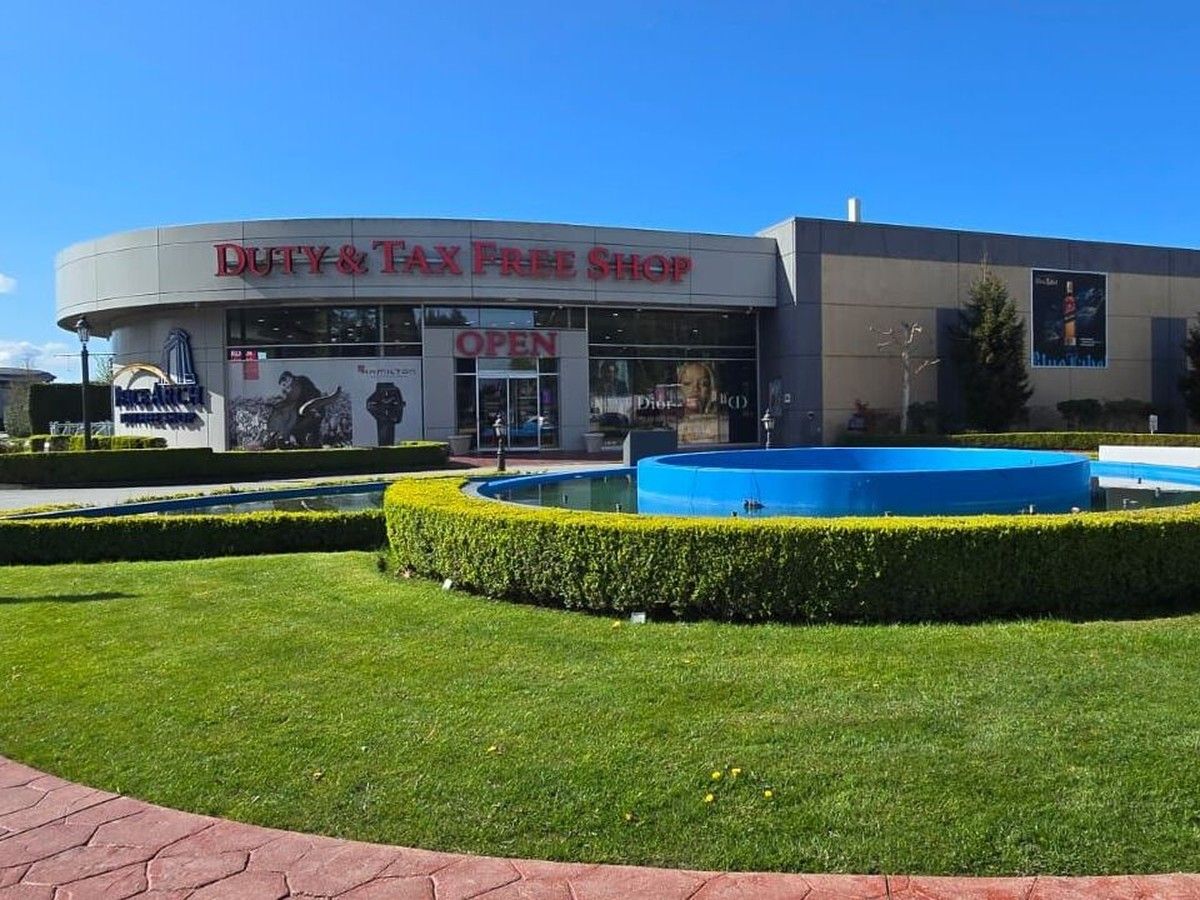
With a renewed call from B.C. Premier David Eby for residents to boycott travelling to and purchasing from the U.S., some businesses on both sides of the border are worried for their futures.
Peter Raju, owner of the Peace Arch Duty Free shop, said business had increased in recent months, but since the Canada-U.S. trade war escalated in recent weeks, the number of visitors has once again dropped.
“Early this year, we were thinking of turning our keys back to the Semiahmoo First Nation because we were losing a lot of money,” Raju said.
“But we saw a substantial increase in traffic starting middle of April and then it continued to grow. And then during FIFA, we had a lot of foreign tourists from Latin America and also from the U.S. and also Canadians started travelling again. Our border wait times were all back to normal.”
Eby last week renewed his call for British Columbians to buy local products and avoid travel to the U.S. after trade talks between Canada and the U.S. were suspended and U.S. President Donald Trump levied new tariffs on Canada. In response, Canada said it would impose “dollar-for-dollar” tariffs on more than 700 U.S. products, starting Sept. 8.
Raju said he’s all for protecting Canada, but businesses also need protection and support.
“There were promises made to take care of businesses like ours that were affected by this, and the premier’s office has refused to talk to us. We’ve written numerous letters. There has been no response at all, and that is what is frustrating,” he said. “We’re not asking for money or anything.”
What the store owner would like to see is the provincial government remove the 20 per cent liquor markup applied to duty-free stores.
Raju said he’s worried for the future of duty-free shops as they have to compete with American shops that don’t have the price markups.
The B.C. Liquor Distribution Branch has previously defended the price markup, saying it’s one of the lowest in the country and that revenue generated from the markup is used to fund public services.
Businesses on the other side of the border say they’re facing an uncertain future as well.
Dave Duncan, manager of International Marketplace grocery store in Point Roberts, said business took a dramatic turn in the last week.
“We just finished a week being down 21 per cent. We were actually trending up most of the summer and then all of a sudden starting last Monday, just nothing,” Duncan said. “It’s hard keeping everyone employed and then also really difficult ordering for the store to make sure we have stuff on the shelves for when people do show up. But we also have to be able to sell, so it’s really hard with perishable things like produce, meat and dairy.”
Duncan said the store heavily relies on Canadian visitors and when things were more “normal” Canadians would help to double the population of the American border town south of Tsawwassen.
“We’re here for you, and we want to continue to be here for you. Please don’t hold the lunacy against us,” Duncan said.
That message was echoed by Michelle Schwalback, general manager at Nielson’s Building Center hardware store, also in Point Roberts. Schwalback said her store hasn’t been hit as badly by the travel boycott, but acknowledges other businesses, like gas stations, are struggling.
“Politics are tough, I totally get that, but I think we still remain friends regardless because we have way more in common, and we’ve shared so much. So this will pass,” Schwalback said.
A recent report from the Border Policy Research Institute and the Bellingham Regional Chamber of Commerce collected data on the impact on businesses from fewer Canadian travellers. Businesses in the food, retail, tourism and other sectors overwhelmingly agreed their businesses have suffered, with many also saying they’re worried about their survival.
A quarter of the businesses that said they’re concerned for their survival said they have employed strategies to try to keep afloat, including cutting hours, laying off staff and increasing prices.
When travelling south of the border was first discouraged by political leaders in 2025, Raju said he lost about 80 per cent of his business, forcing him to have a “skeleton staff” after laying off most employees. After a period of recovery, Raju said he and other businesses are bracing for things to go back to the way they were last year.
He’s at least heartened though by the support of his American neighbours.
“Americans are coming to us and apologizing and supporting us,” Raju said. “And they’re telling us, ‘We are family, we are friends and we are neighbours, and we have been for hundreds of years. Let’s not let the politics disturb that relationship.’ ”