 BURST
BURST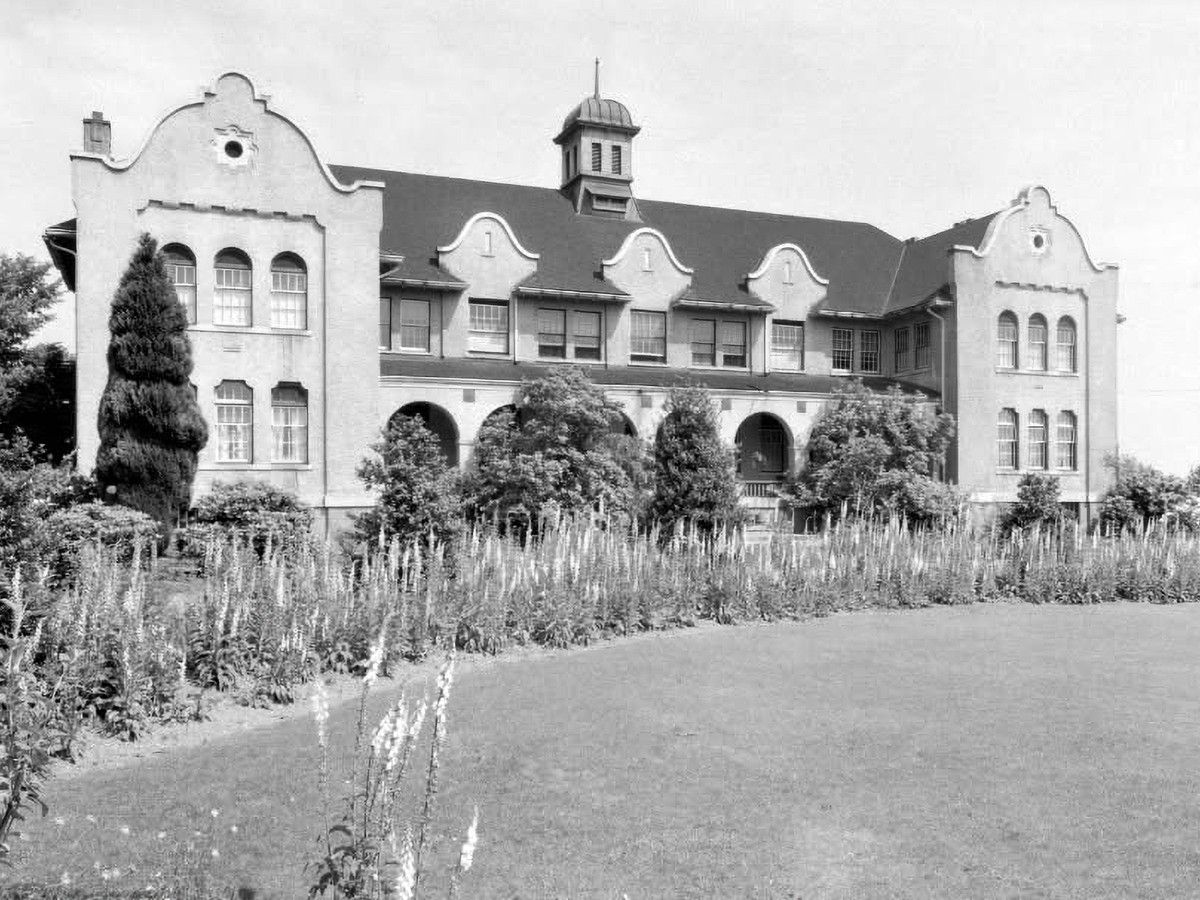
Girls as young as six sent to a school for girls for criminal behaviour or even for just being “unmanageable,” can join a class-action lawsuit in B.C. Supreme Court against the correctional institution known as a “house of horror.”
The lawsuit was launched in 2020 on behalf of the girls who were sent to the Willingdon School for Girls in Burnaby, where the lawsuit alleges they were subject to sexual, physical and mental abuse , according to a recent judgment.
The sexual assault refers to “genital examinations on the class (members) without their consent” by school doctor, T.C. MacKenzie, according to the claim. And some of the girls were subjected to sterilization, it alleges.
The defendants are the provincial and federal governments, MacKenzie and Jane/John Doe #1-#5, who represent various staff.
Justice Veronica Jackson has certified the action — meaning it can proceed — and named two representative plaintiffs, Shirley May Williams for non-Indigenous members and Paulette Steeves for Indigenous members.
The province and the federal attorney general committed “systemic wrongs — both actions and omissions” that caused the girls injury and loss , says the lawsuit.
The wrongs included negligence, breach of fiduciary duty, misfeasance in public office, and, for the Indigenous persons subclass, breach of constitutional duties and Aboriginal rights, it alleged.
The governments argued all claims should be dismissed because they were “bound to fail” for various reasons, but Jackson disagreed with their arguments for most of the requested dismissals, in a ruling issued on March 12.
She did dismiss an allegation of unjust enrichment against both governments and an allegation of vicarious liability against Canada.
The period of the class began on April 3, 1914, when the school operated in a building on Cassiar Street in Vancouver. The building was converted into condominiums in the 1990s.
The school was moved to Burnaby in 1959, where it ran as the Willingdon School for Girls until it was closed on Aug. 21, 1974, according to the judgment.
The girls were committed or admitted to the school as young offenders, but also for “incorrigibility,” “sexual immorality,” which included homosexuality, and, for Indigenous girls, the offence of being intoxicated off reserve, it said.
The goal was to provide them with “education, industrial training and moral reclamation,” it said.
The lawsuit alleges the school was prisonlike, with prison-style haircuts, uniforms and work detail and said “meals were eaten in silence under rigid surveillance,” Jackson wrote. There was a “hole” where girls were placed for punishment and secure cell chambers made with wire.
“The school was described, in internal documentation, as a ‘house of horror,’” said Jackson.
The plaintiffs’ claim against MacKenzie is limited to “battery, (medical) negligence and breach of fiduciary duty,” according to the lawsuit.
MacKenzie, now retired, in his response said he was hired to provide medical services to some students between 1960 and 1973, for one to two hours every Tuesday morning, and worked with a nurse to tend to general medical complaints.
“He pleads he was not responsible for, aware of, or involved in, performing any routine genital examinations” or any sterilization procedures, and if they were done, they were performed by someone else, according to Jackson’s ruling.
The judge refused to dismiss the battery allegations, saying they were “properly pled” in the claim and it’s clear the sexual abused alleged is the forced genital exams.
Steeves told the court the “school doctor” performed a “medical exam” on her which included a gynecological procedure she didn’t consent to and “which she describes as ‘horrific,’” according to the judgment.
“The focus of the claim against Dr. MacKenzie is directly connected to allegations of unnecessary, forced, violent genital examinations,” Jackson wrote.
The breach of fiduciary duty refers to the doctor’s alleged failure to protect the members from physical abuse at the hands of others at the school, when he knew or ought to have known it was occurring, wrote Jackson.
MacKenzie also argued the class is overbroad because it includes people who attended the school 48 years before he was hired and people he didn’t treat, the judgment said.
The members are seeking punitive and aggravated damages.
None of the allegations have been tested in court.
“We welcome Justice Jackson’s ruling and are honoured to continue to move the case forward on behalf of the survivors of Willingdon, who have been waiting for justice for more than half a century,” a lawyer for the plaintiffs, Patrick Dudding, said in an email.
A calls left with the doctor’s lawyer wasn’t immediately returned.