 BURST
BURST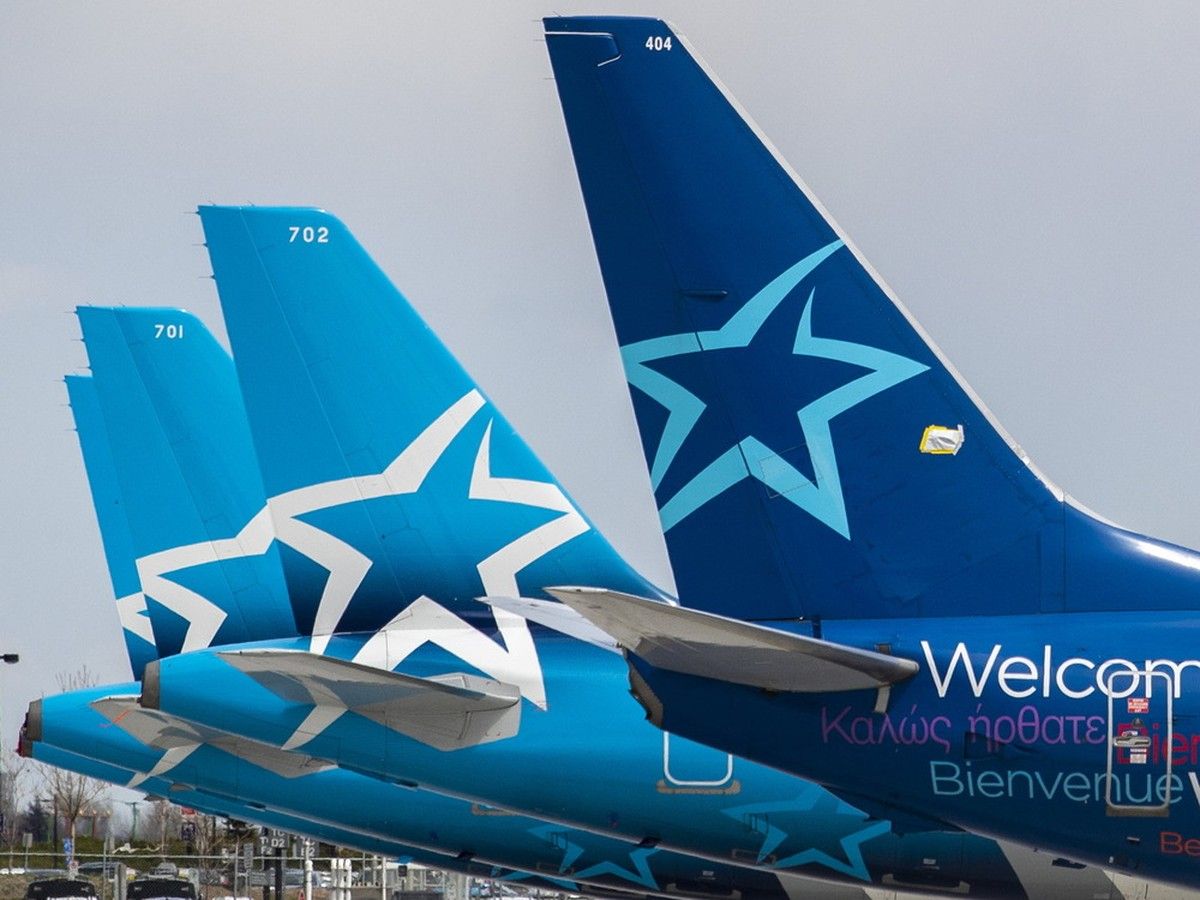
The list of airlines cancelling flights continues to grow amid a worsening fuel crisis caused by the conflict in the Middle East.
Iran’s blockade of the Strait of Hormuz cut off around a fifth of the world’s oil supply, causing prices to soar and constraining access to jet fuel.
In Canada, Air Transat, Air Canada and WestJet have all adjusted their schedules in response to cost pressures.
Earlier this month, regional airport trade association ACI Europe warned that Europe is weeks away from a jet fuel shortage that could trigger severe disruptions to airports and airlines and significantly harm the continent’s economy.
The concerns come as domestic flights from London, Ontario, are set to increase this summer, which representatives from WestJet say reflects increased demand, despite the fuel crisis.
National Post has compiled a list of airlines cancelling flights in Canada and beyond.
Air Transat
Air Transat is the latest airline to announce cutbacks, saying on Wednesday that it will suspend 6 per cent of flights.
In a public statement , the airline said it has revised its 2026 program, with targeted adjustments on certain routes, in response to the “unprecedented aviation fuel crisis and exceptional volatility in energy markets.”
“The recent volatility in aviation fuel prices reflects an exceptional environment affecting the entire sector,” said Annick Guérard, president and chief executive officer. “We are closely monitoring the situation, as cost pressures continue to be felt across the industry. We will continue to optimize our program based on demand, which remains strong. Additional measures may be implemented depending on how the situation evolves, beyond our control.”
The changes affect planned capacity from May to October 2026.
Air Canada
Canada’s largest airline announced plans to suspend six routes last week.
Flights from Montreal and Toronto to New York’s John F. Kennedy International Airport will be cut from June 1 to October 25, 2026, while the Salt Lake City to Toronto route is suspended from June 30 “with plans to resume in 2027.”
Domestically, flights between Fort McMurray, Alta., and Vancouver are suspended effective May 28, and the Yellowknife to Toronto route is suspended effective Aug. 30.
Meanwhile, a route that had been planned from Guadalajara, Mexico, to Montreal is also suspended, Air Canada said.
“We are monitoring the situation closely, but we see no imminent impact on our operations due to a shortage of jet fuel,” Peter Fitzpatrick, Air Canada’s manager of corporate communications, told National Post in a previous email.
He added: “That said, jet fuel prices have doubled since the start of the Iran conflict and some lower profitability routes and flights are no longer economic, and we are making schedule adjustments accordingly.”

WestJet
WestJet on Monday announced plans to adjust capacity from April through June.
Flight capacity will be cut by about one per cent in April, three per cent in May and nearly six per cent in June, by consolidating flights on some routes and shortening the travel period for seasonal service to several destinations.
The airline added that it hasn’t eliminated any routes so far, but it is “evaluating its summer schedule” with an eye to possible cuts.
“As fuel prices continue to rise, WestJet has adjusted some flying to align with demand and best manage associated fuel costs,” WestJet said in a news release.
On Thursday, the airline also announced plans to increase checked baggage fees, effective immediately.
Travellers paying at the airport to check their bags will see prices increase by $10 each for the first and second bags. If paying in advance, the fees will go up by $5 per bag for the first and second bags.
In a statement, a WestJet spokesperson told CBC News the increases are because of industry trends and “impacts from current global conditions.”
Lufthansa
Outside Canada, German operator Lufthansa Group said on Tuesday it would cancel 20,000 short-haul flights through to October, a move it says will save 40,000 metric tonnes of jet fuel.
It said it has axed “unprofitable” short-haul flights operated by its regional subsidiary Lufthansa CityLine, reducing the entire group’s capacity by one per cent.
The group has also permanently removed its 27 Lufthansa CityLine aircraft from operation.
Till Streichert, the CFO of Lufthansa Group, said in a news release that the group had “already identified the prospective removal of CityLine from our program as part of our strategic development for some time, independently of the current geopolitical crisis. The current crisis is now forcing us to implement this measure earlier.”
Delta
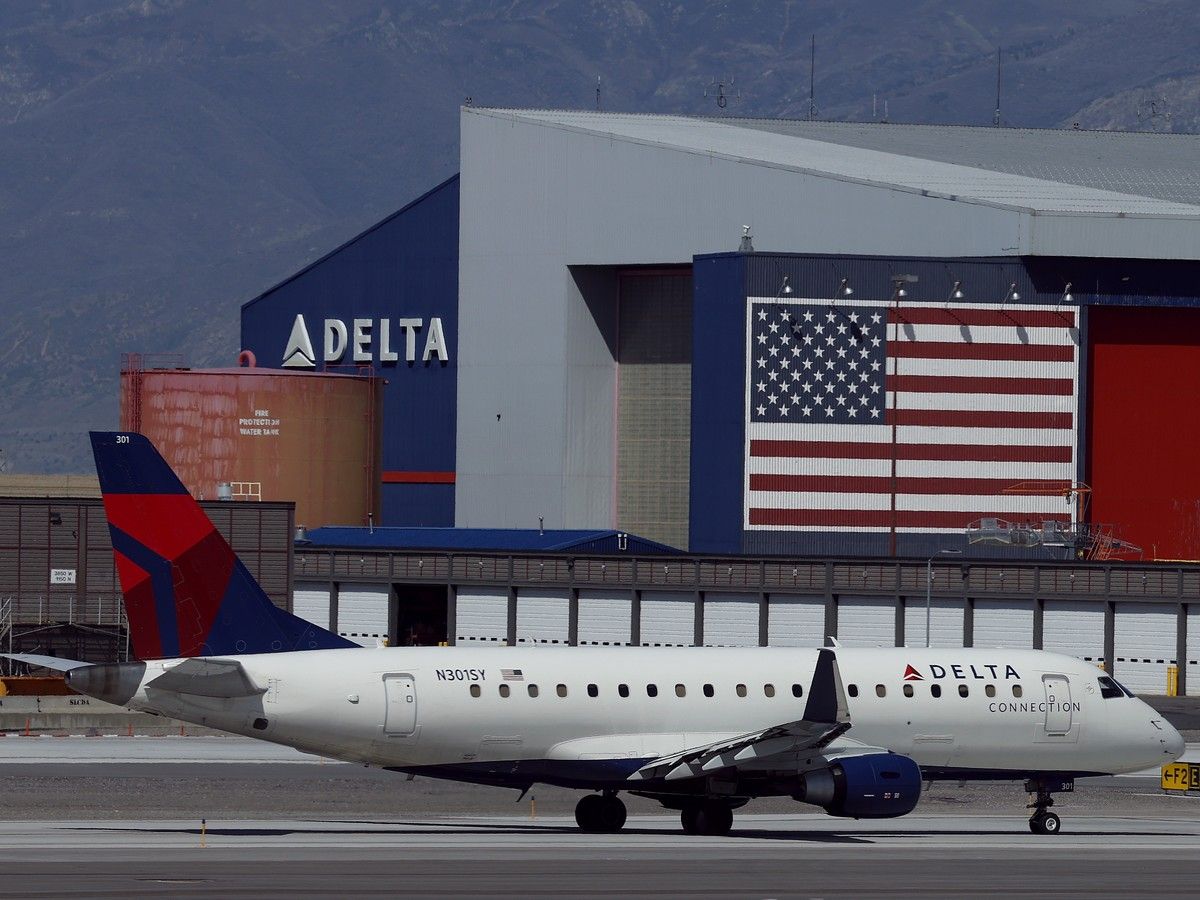
Atlanta-based Delta Airlines has announced cuts to flights this summer based on a number of operational factors, but did not specify fuel as one of them.
“Delta routinely adjusts its network as part of its normal planning process,” the airline said in a statement to USA TODAY . “As part of our summer planning, we’ve made select adjustments across a small number of routes. Delta evaluates a range of factors when making these decisions and continues to offer extensive service for customers. We will directly contact any impacted customers with alternate options.”
The cuts affect six domestic routes in the U.S. and one route between Boston Logan International Airport and Lynden Pindling International Airport in Nassau, Bahamas, according to USA Today.
United Airlines
United Airlines announced cuts to unprofitable flights in March in preparation for a prolonged period of high jet fuel prices due to the Iran war.
In a staff memo, United CEO Scott Kirby said the airline would cancel about three percentage points of off-peak flying in the next two quarters, targeting routes and periods with weaker demand, reports Reuters .
It will also pull about one percentage point of capacity from Chicago O’Hare and keep service to Tel Aviv and Dubai suspended, bringing the total reduction to about five per cent.
United Airlines currently expects to resume its full schedule in the fall.
Cathay Pacific
Cathay Pacific Airways said on April 11 it will cancel about 2 per cent of its scheduled passenger flights from May 16 to June 30, while its budget arm, HK Express, will cut about 6 per cent from May 11.
Air New Zealand
Air New Zealand is consolidating flights across May and June, which it said would affect around 4 per cent of flights and 1 per cent of total passengers scheduled to travel in the two months affected.
“Like airlines globally, we’re experiencing jet fuel prices that are more than double what they would usually be,” an Air NZ spokesperson said, per Reuters .
KLM
Dutch airline KLM announced on April 16 that it will cancel 160 flights in Europe in the coming month due to rising fuel costs.
The airline, which is the Dutch arm of Air France KLM, said the cancellations affect less than 1 per cent of its total European flights.
Aer Lingus
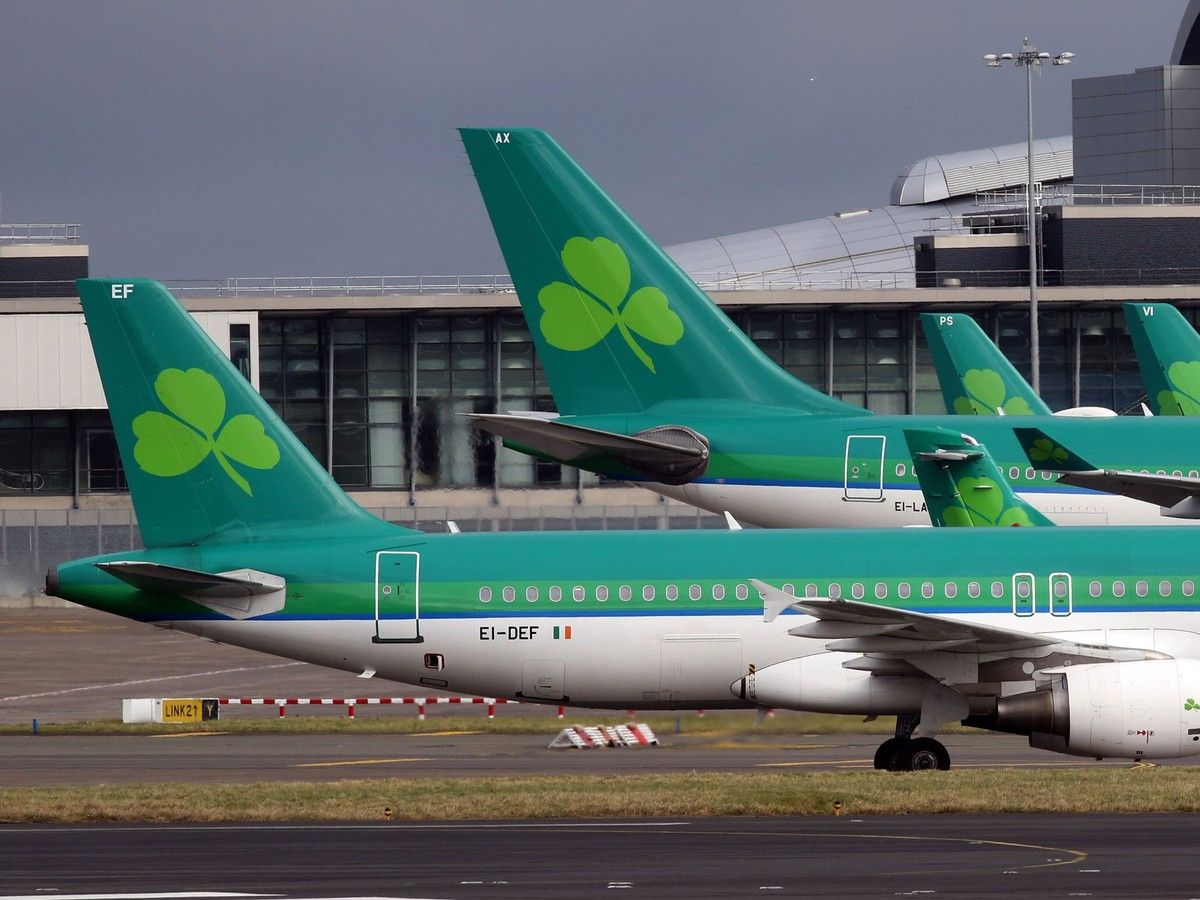
According to documents seen by the Irish Independent , “more than 500” Aer Lingus flights are being cut from the airline’s summer schedule.
The airline said schedule changes apply to approximately two per cent of Aer Lingus’ overall operations.
AirAsia X
Budget airline AirAsia X has cut about 10 per cent of the carrier’s flights after the Eid al-Fitr holidays, and it is scaling back on unprofitable routes.
Bo Lingam, group CEO of AirAsia X, said in a news release: “Amid ongoing geopolitical uncertainty and supply chain disruptions, global jet fuel prices have surged to more than double 2025 levels.”
He added the group is “optimizing our network” and “reallocating capacity to stronger-performing routes.”
Norse Atlantic
Norse Atlantic, a low-cost Norwegian airline, has cancelled its route between London Gatwick and Los Angeles.
“This cancellation is due to the unforeseen global fuel crisis, and we unfortunately – with (a) heavy heart – had to cancel our beloved LAX routes with too high fuel risk exposure,” a spokesperson told The Independent .
SAS
Scandinavian airline SAS said it would cancel 1,000 flights in April, reports Swedish business daily Dagens Industri (DI).
“The price of jet fuel has doubled in ten days. Even if we try to absorb cost hikes as far as we can this is a shock that strikes directly at the aviation industry,” SAS CEO Anko van der Werff told the publication.
Asiana Airlines
It has been widely reported that South Korean airline Asiana will slash 22 flights between April and July due to the fuel cost increase.
Our website is the place for the latest breaking news, exclusive scoops, longreads and provocative commentary. Please bookmark nationalpost.com and sign up for our daily newsletter, Posted, here.