 BURST
BURST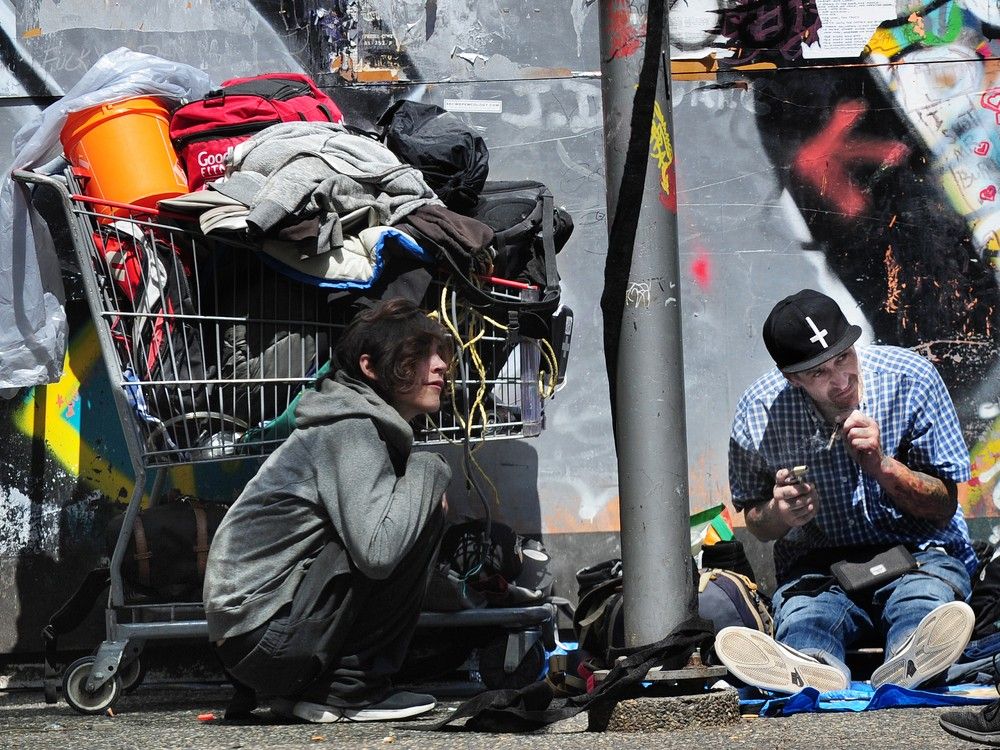
By the end of this month, B.C. Premier David Eby has to make a decision whether to ask the federal government for an extension of the controversial decriminalization pilot that let people legally possess a small amount of illicit substances or let the Health Canada exemption expire.
The pilot has been in place since Jan. 31, 2023, and was designed to reduce the stigma surrounding drug use by allowing people to keep a small amount of substances such as heroin or cocaine on their person without fear of confiscation or arrest by police.
Advocates said the program would help keep people alive by reducing the feeling that people should use alone, with many of those killed by toxic drugs dying at home or in other locations without anyone around to help.
But critics said the pilot was partly responsible for an increase in public drug use and street disorder.
In May of 2024, the province requested and received an amendment to the pilot that recriminalized drug use in most public spaces. Eby has said that the days of allowing open drug use is over, however, what that means for the pilot remains unclear.
But what has been the real impact of the program for drug users? What were the drawbacks? And what does it mean for drug users now that it could be ending?
Here are three things you need to know:
Was decriminalization effective?
Depends on who you ask.
Garth Mullins, executive producer of the Crackdown podcast and a longtime drug user advocate, cited government data submitted to Health Canada that shows the program reduced possession offences by 77 per cent.
“We don’t spend so much time in jail, we get to come out of the shadows and rejoin society,” said Mullins. “We’re not criminalized anymore … may not sound like a big deal, but for us, it’s huge.”
But Mullins said open-use ban in 2024 effectively killed the program and it doesn’t much matter now what the government does with it.
For others, the pilot was ineffective as the limits placed on it, such as that users could only have up to 2.5 grams of an illegal drug on them, did not meet the needs of those it was meant to serve.
Dave Hamm, president of the Vancouver Area Network of Drug Users, says it would have taken an exemption of four grams to make a difference.
He also said that police were, for the most part, already not charging users for having a small amount of drugs on them.
“Before this even came in, there was a de facto kind of decriminalization in place here in the Downtown Eastside,” said Hamm. “Basically, there were so many people in the courts tying up the court, so the court more or less requested police not to be bringing everybody in.”
He said what is really needed is expanded safer supply. Safer supply has been limited by the province and was changed to require users to consume their drugs in front of a nurse practitioner or pharmacist after evidence of diversion of hydromorphone on to the black market.
What were the drawbacks?
The opposition B.C. Conservatives, some local mayors and some public safety organizations have all accused the program of causing a rise in street disorder and public drug use, with anecdotes of parents finding used needles on playgrounds and other places where kids are present.
Independent MLA Elenore Sturko, who has been a vocal critic of both decriminalization and safe supply, said she has spoken to many business owners who have faced increased vandalism and break-ins as a result of decriminalization.
She also said the pilot may even have led to increased deaths, pointing to the death toll among drug users during the 15 months the pilot was fully operational.
“Around Labour Day, there had been a survey by business improvement areas in British Columbia, one in five businesses believes that they may not be able to continue operating if the conditions of street disorder don’t change in their community,” said Sturko.
“I think that there’s a lot to be said about how people at least even perceive the safety in their communities as a result of drug use and as a result of behavioural issues and even criminal activity associated with the drug use that’s taken place in the province.”
She said she wants the government to end the program and also order prosecutors to resume charges for possession.
What comes next?
It is still unclear what decision Eby will take when it comes to what is left of the decriminalization pilot, with any announcement on the government’s course likely coming after the premier gets back from his India trade mission on Jan. 17.
Whatever the decision is, it is clear that the decriminalization pilot project will not be returning as it was introduced in 2023.
“Let me be clear: We are not going back to the old policy of decriminalized public drug use in B.C. It didn’t work, and we ended that,” he said Tuesday.