 BURST
BURST
B.C. is crying foul after Ottawa signed a second agreement on energy with Alberta that lowers the amount companies in the oil-producing province have to pay for emissions and takes another step toward the construction of a new oil pipeline to the west coast.
“As a country, it’s time to stop rewarding bad behaviour,” said Premier David Eby after Friday’s agreement, calling out Alberta’s separatist movement that is supported by up to 50 per cent of the members of the province’s ruling United Conservative Party, according to some polls.
“It cannot be the case that the projects that get prioritized in Canada are those where a premier threatens to leave the country.”
In November, Eby opposed the first agreement between Prime Minister Mark Carney and Alberta Premier Danielle Smith that included language in support of one or more pipelines to the B.C. Coast in exchange for oilsands producers installing carbon-capture technology.
Friday’s agreement sets a July 1 deadline for Alberta to submit a pipeline proposal to Ottawa’s major projects office, with Carney promising to provide the necessary conditions for construction by Sept. 1, 2027.
But the deal lowers the progression of Alberta’s industrial carbon price to $130 a tonne by 2040. All other provinces face their carbon price rising to $170 a tonne by then.
Smith has repeatedly spoken about her desire to revive the Northern Gateway pipeline proposal through Northern B.C. that is opposed by the Coastal First Nations , an alliance of nine First Nations in northwest B.C. including the Haida and Gitxaała.
In recent weeks she has seemed lukewarm about the possibility of a southern route, potentially to the Burrard Inlet or Delta, that has been floated by the federal government and that B.C. seems more open to.
“We’re getting very close to the July 1 deadline for submitting a pipeline proposal, so we’ve got a pretty good idea right now about what the most economic routes are,” said Smith.
“When you know that route, then you’re able to identify the bands that are going to be most impacted, and so we’ll be working with them one-on-one to let them know what the economic benefits might be, what the equity ownership might look like, based on some of the experience that we’ve had.”

There remains no private proponent or defined route for the pipeline project, however, something that Eby referred to in his response to the announcement by Alberta and the federal government.
He said Ottawa should be concentrating on some B.C. projects that are ready to go.
“Here in B.C., we have what the rest of the world is looking for: critical minerals, natural resources, and port access. We have shovel-ready projects with real proponents, and investments that will provide good-paying jobs and funding for public services,” said Eby.
“The federal government must work as closely with us on these projects as they work with the government of Alberta on Premier Smith’s proposed pipeline — a project that has yet to identify a proponent or a route.”
Eby has said that forcing a pipeline across northern B.C. would put critical minerals mines and LNG projects, as well as the proposed North Coast power line, at risk by damaging relations with First Nations.
The Coastal First Nations said that they had been assured by federal Energy Minister Tim Hodgson that there would be no agreement without the consent of First Nations.
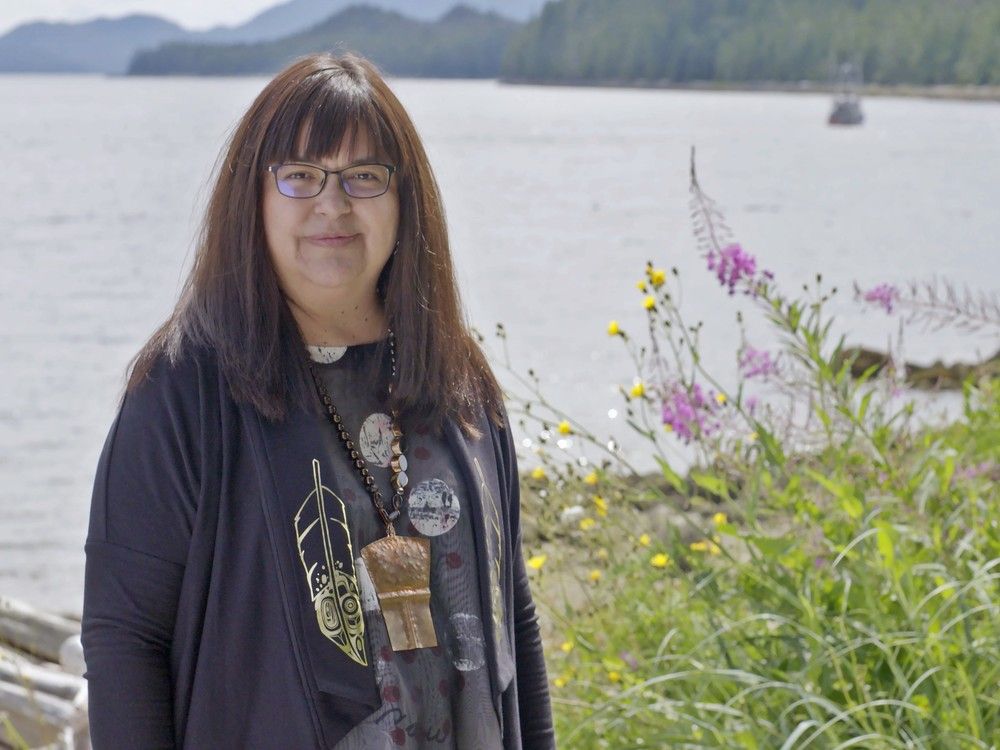
“As the legally recognized rights and titleholders under Canadian and international law, we do not support a proposed oil pipeline and tankers route to the North Coast of B.C.,” said Marilyn Slett, president of the Coastal First Nations and elected chief of the Heiltsuk Nation.
“No offer of equity or ownership will change our position, and no proponent is acceptable to us. Governments and would-be proponents should be aware of our absolute determination to protect our economy and our coast.”
B.C. Opposition leader Trevor Halford said that instead of being at the table, Eby is choosing “petulance over partnership” and that “B.C. workers and B.C. families are paying the price for his ego.”
He said Eby has pitted himself against what most of the country wants and what will help grow Canada’s economy.
“Make no mistake, this is a deal about B.C.’s coast, B.C.’s ports, B.C.’s workers, and B.C.’s future. And the NDP weren’t even invited,” said Halford.
“The premier has put himself offside with the national interest, offside with our largest trading partners, and offside with the British Columbians who need these jobs.”
The new agreement also includes commitments around expanding electricity connections among Canada’s provinces and territories as a way to double Canada’s grid capacity and bring it to net zero emissions by 2050.
Environment Minister Julie Dabrusin told Postmedia Friday that the commitments on the electrical grid are a way for the country to continue on the path toward climate goals while also growing the economy.
As it is, Canada is only on track to reach half of its climate target of 40-45 per cent reductions below 2005 levels by 2030, according to the Canadian Climate Institute.
“The electricity strategy that we announced yesterday, where there is a commitment to double our grid by 2050, to reach net zero by 2050, and also at the same time recognizing that the reason we need to do that is because we need to electrify our economy,” said Dabrusin.
“Moving industry and transport buildings to electricity, that actually has a very large impact on emissions reductions.”
UBC economics professor Werner Antweiler agreed, saying that the existing grid connection between B.C. and Alberta has been underutilized over the years and that increasing its usage and expanding ties across the country would be positive.
At the same time, he wondered whether lowering the industrial carbon tax would reduce the incentive for oil and gas producers to innovate in order to bring down emissions and argued that neither Ottawa nor Alberta should be subsidizing the industry.
“The federal government should not be subsidizing the oil and gas industry because this is a mature industry that can fully stand on their own two feet. They do not need that help,” said Antweiler.
Richard Masson, of University of Calgary’s School of Public Policy and a former CEO of the Alberta Petroleum Marketing Commission, said that without enormous subsidies, he doesn’t see how a pipeline project can get off the ground.
He doesn’t see Friday’s agreement bringing a pipeline any closer to reality, even if he is happy governments are working together.
“I don’t think any private sector proponent is going to take it on at this stage, even with the alignment of governments and apparent support for expedited approvals,” said Masson, pointing to the problems the Trans Mountain pipeline expansion faced.
“There’s so much risk, what happened on TMX, where you had an existing pipeline company who knew what they were doing, and it still was six times over budget and years late. … I think it’s going to be very difficult to see any private sector proponents step in without a lot of government subsidy.”