 BURST
BURST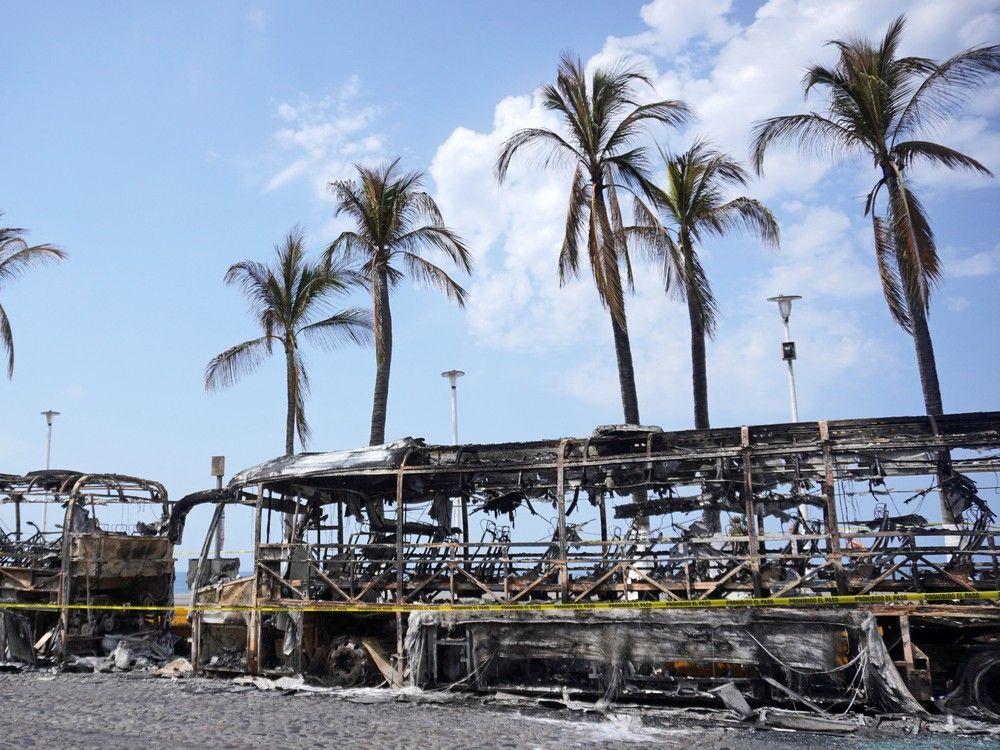
Canadians stranded in Puerto Vallarta and other parts of Mexico due to a recent flare-up of drug cartel-related violence are entitled to refunds for flights cancelled and some financial compensation for longer hotel stays, according to travel and passenger rights advocates.
Violent clashes began this weekend in the Mexican state of Jalisco, which includes the cities of Puerto Vallarta and Guadalajara, after Mexican authorities killed Nemesio Oseguera Cervantes, the leader of the Jalisco New Generation Cartel. Cervantes also goes by the name of El Mencho.
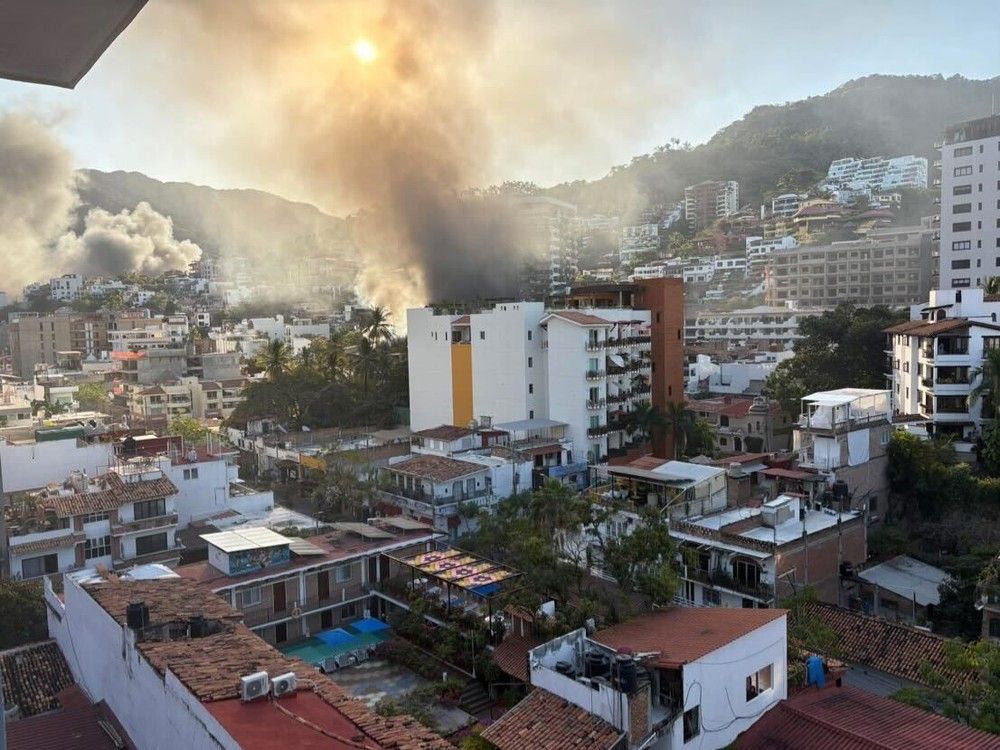
Vehicles, businesses and gas stations were set on fire in apparent retaliation after the Mexican Secretariat of National Defense released a statement on Sunday, saying El Mencho had been injured during an army operation in nearby Tapalpa, Jalisco, and later died of his injuries.
A shelter-in-place order requiring people to stay indoors was still in effect Monday for Jalisco and Nayarit. The Canadian government stated that “criminal groups have set up roadblocks with burning vehicles in several cities in various parts of Mexico. There have been shootouts with security forces and explosions, including on roads and highways connecting affected areas to Mexico city.”
Here’s what travellers need to know:
What does the situation currently look like in Puerto Vallarta?
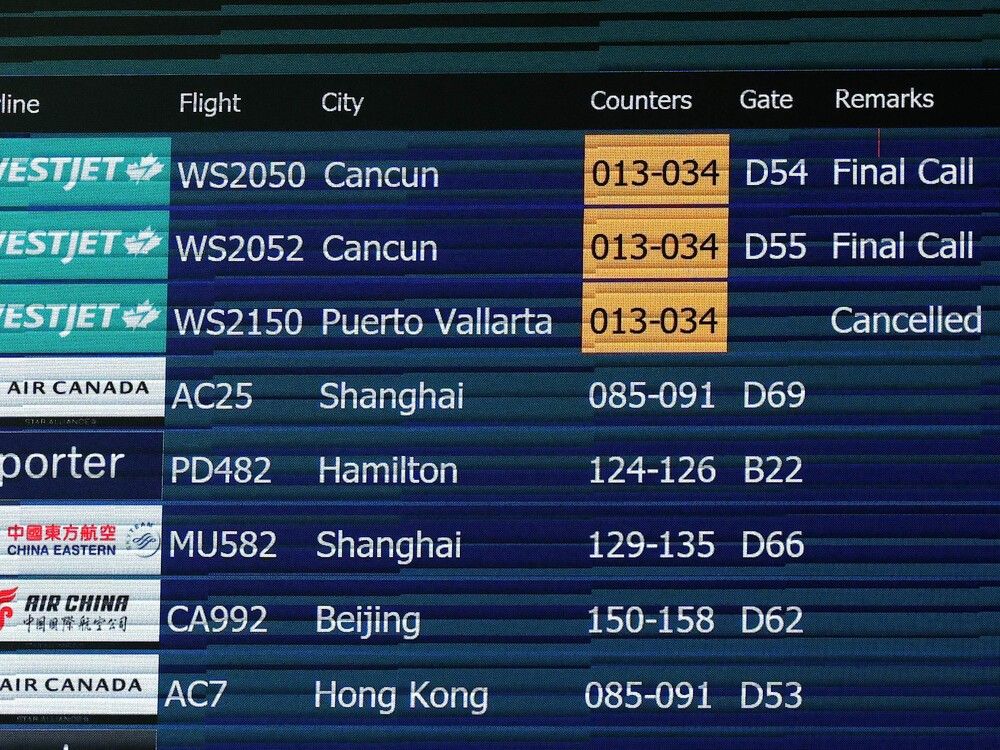
While Puetro Vallarta international airport is still open, most airlines, including major Canadian carriers, have cancelled all flights in and out of the city.
Some services, such as ride-hailing and public transportation, are starting to open up again, according to Will McAleer, executive-director of the Travel Health Insurance Association of Canada.
That and the airport remaining open are “fairly good signs,” indicating flights could resume very soon for the more than 26,000 Canadians stranded in the country, he said.
“The actions the military is taking there is more subdued than they could have been. We know that there are well-armed combatants that are down there, and as a result, it was not as serious as perhaps it certainly could have been had they gone on to resort properties and decided to show their displeasure that way, as opposed to more civil disobedience and setting cars on fire,” McAleer said.
“However, that doesn’t change the fact that Canadians who are down there are probably very concerned when they get told to shelter in place by the Canadian government.”
What is the travel advisory for Mexico?
The Canadian government has issued a level three, or yellow, travel advisory and is telling travellers to exercise a “high degree of caution in Mexico due to high levels of criminal activity and kidnapping” in some parts of the country.
Non-essential travel is also advised against in many states due to the violence and organized crime, including parts of Jalisco, Chiapas, Sinaloa, Guerrero and more.
“The security situation could deteriorate rapidly in these locations and in others across Mexico,” the government states.
It also advises any Canadians in Mexico to avoid the affected areas, keep a low profile, follow advice from the local authorities, including curfews or shelter-in-place orders, stay informed, and check with your airline before heading to the airport.
Are those stranded in parts of Mexico entitled to refunds?
Most airlines have canceled flights in and out of Puerto Vallarta International Airport as a result of the ensuing violence in the city. But airline customers still have rights, says a Canadian air passenger rights advocate.
“Passengers always have the right for a choice between a refund in the original form of payment, and alternate transportation, which the airline has to provide, either on its own airline or partnering one on the next available flight departing within 48 hours of the original departure time,” Gabor Lukacs told Postmedia.
If an airline does not follow through with those requirements, the advocate says it is responsible for purchasing flights on any airline, even competitors, from the original or nearby airport. The airline also has to provide transportation for the passengers to the nearby airport.
“People need to know their rights,” Lukacs said. “They need to stand their ground, but the government also needs to take meaningful action against airlines refusing to pay. … Keep your receipts, keep documenting, record your interactions with the airline, incur expenses needed, and then make airlines pay for it later.”
Lukacs said this situation is interesting because some flights are still going in and out of the airport.
“So with that type of traffic, it’s not clear that it’s impossible to fly to and from the airport,” Lukacs said. “It’s not clear those disruptions are outside the carrier’s control in the legal sense.”
For those who booked tours, staying in contact with the operators is also essential, McAleer said.
“Staying in touch is the most important thing,” he said, with both the airline and any other service individuals have bookings with.
“Determine how they’re planning on delivering on the service that they promised, which is bringing them down and getting them back. When will their flights resume, and how long will they likely need to have temporary arrangements in place, for lodging, for food and things like that that they need to get in the event that it’s prolonged.”
For Canadians who were on flights heading to Puerto Vallarta that turned around, McAleer said they are also entitled to refunds for the flights and also any other services booked with it. If tours were bought externally not with the airline, individuals may not be entitled to full refunds unless they purchased the proper travel insurance before the trip, McAleer said.
What should you do if you have a planned trip to Mexico?
If airlines continue to cancel flights to parts of Mexico, the refund process is similar to what people are already experiencing, McAleer said.
But for those who may just not feel comfortable, but the travel advisory lifts, the issue may be a lot more difficult to navigate and refunds may not be provided.
“The key thing to understand is that just because you might change your mind about it, most travel insurance policies are not covering that,” McAleer said.
“They’re covering a risk, such as a natural disaster, significant weather that would prevent you, a hurricane that might be coming through, a medical emergency that made you not able to go on that trip. Those types of things would typically be covered in addition to the Canadian government saying no non-essential travel to that particular area.”