 BURST
BURST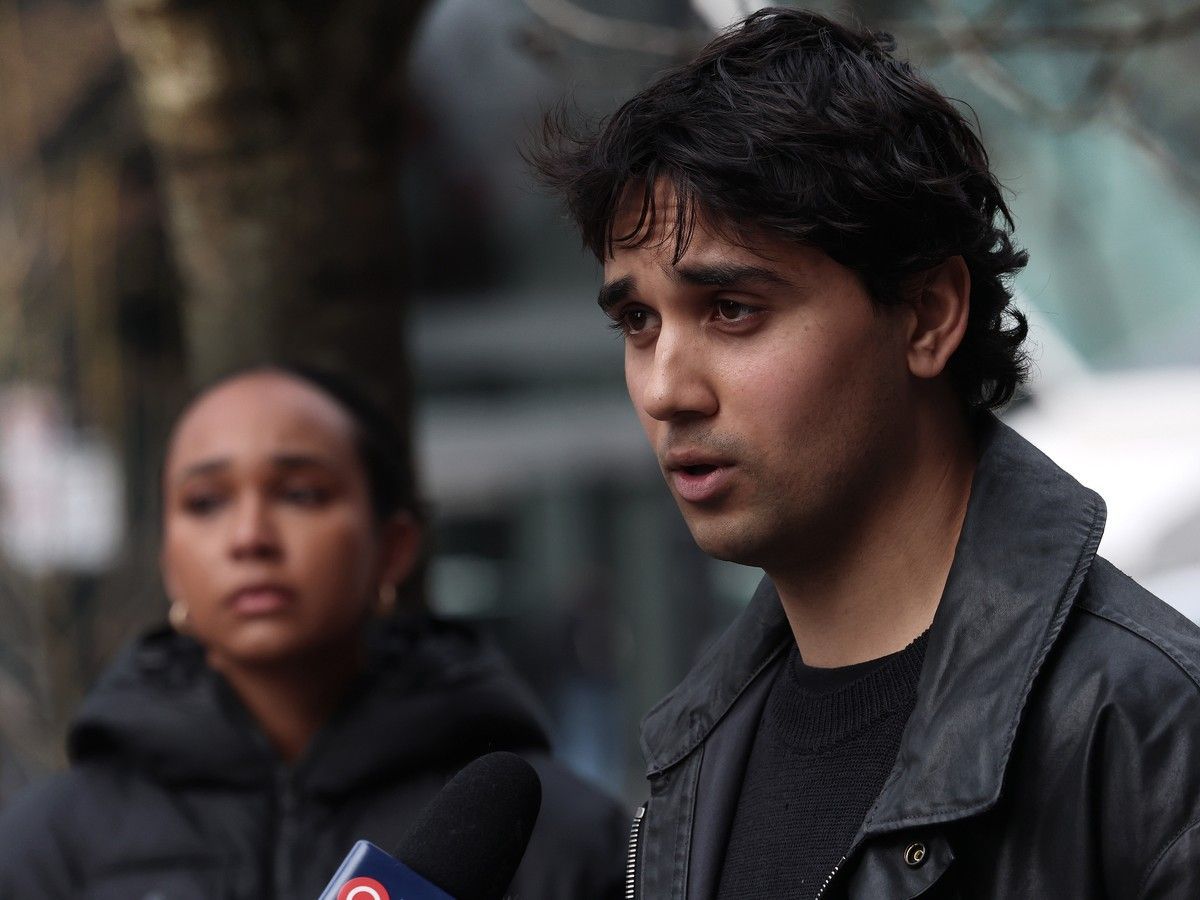
Eleven months after a vehicle tore through a crowded Lapu Lapu Day festival, killing 11 people, survivor Blaine Redlac says he is still searching for answers — about what happened that day and how than $1 million in donations have been used.
Friday, the 29-year-old stood in a downtown plaza outside the offices of Filipino B.C., standing on a leg shattered in the April 26 attack. The impact hurled him 10 metres and killed his fiancée, Jendhel May Sico.
“Today, I was hoping to meet with organizers of Filipino B.C. to get more transparency and clarity as to where these funds are,” he said. Redlac had hoped to meet with organizers to talk it through in person, but instead had to leave a letter outlining his concerns.
Redlac is among a growing number of victims, former Filipino B.C. board members and community members calling for greater transparency in how donations were distributed.
He says donor expectations were clear.
“The public thought these funds were going to go directly to the directly impacted victims,” said Redlac. “A lot of us directly impacted didn’t get the help the public thought.”
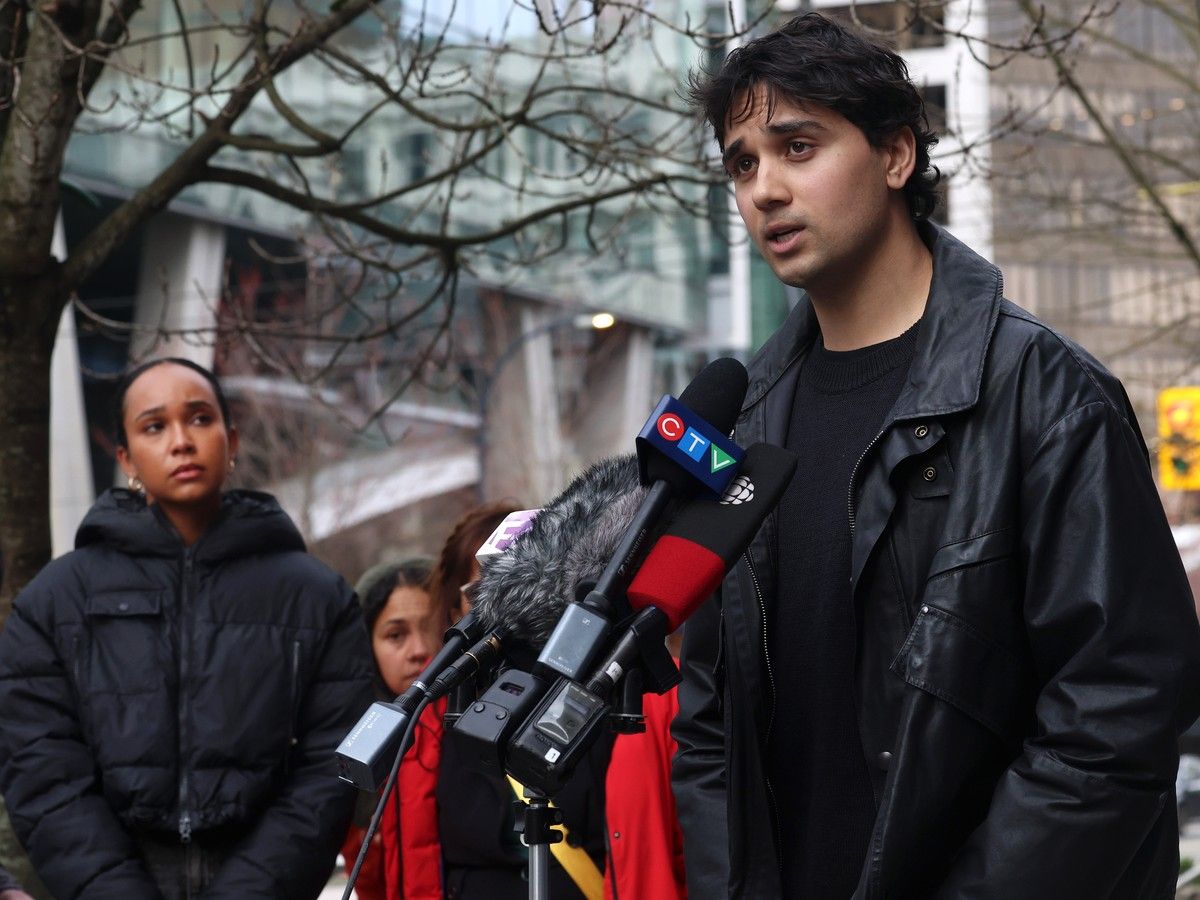
Redlac was hospitalized for months and is unable to return to work as a plumber. He says physical injuries are only part of it. The psychological toll has left him struggling to complete even the paperwork required to access employment insurance.
“I don’t even know how I am anymore,” he said Friday.
The Kapwa Strong Fund was initially managed by United Way B.C., which reportedly raising $1.57 million from public and private donors over several months. According to figures made public, about $1.5 million was distributed as grants to 40 non-profit and charitable organizations by December, while $451,570 went to Filipino B.C., as specified by donors.
Redlac said from the fund he received a few hundred dollars in gift cards from Filipino B.C. and $3,500 from the United Filipino Canadian Associations in British Columbia, but still struggles with day-to-day costs.
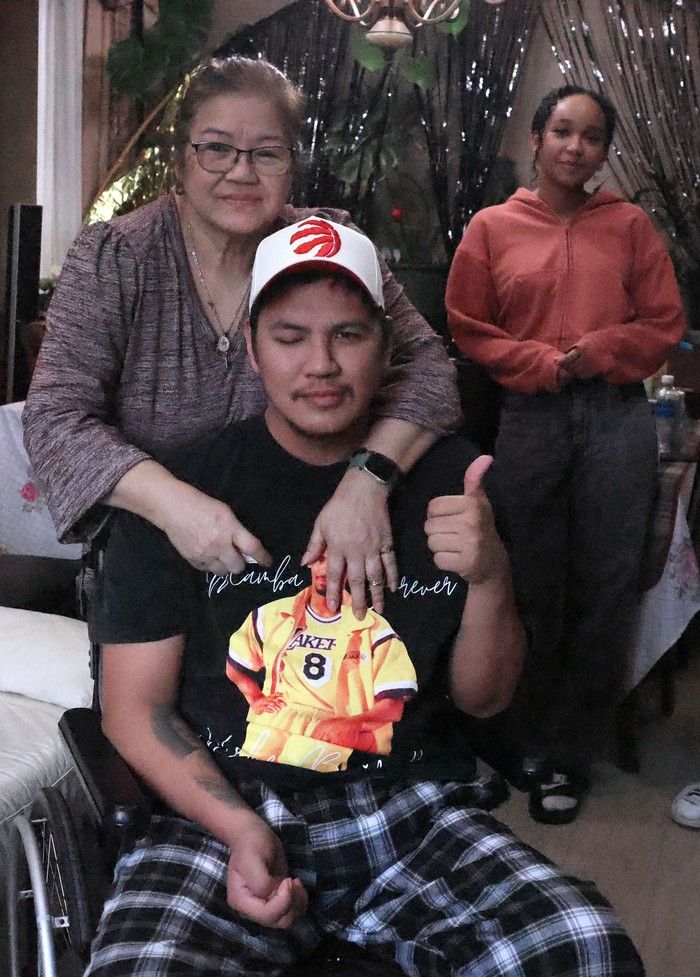
AJ Sico, the sole breadwinner for his family, is unable to work or file for employment insurance after suffering a traumatic brain injury, leaving his household struggling to cover rent and bills as they manage his continuing care.
The 30-year-old is in a Vancouver nursing home. He can speak only a few words, uses a wheelchair and requires round-the-clock care from his retired mother, Jhosie.
In September, the Kapwa Strong fund was transferred to the Vancouver Foundation, where it continues as a long-term endowment for Filipino B.C. organizations and programs. The cultural organizations said they have been providing case management for about 70 people affected by the attack.
But Sico’s girlfriend, Vanessa Hill, told Postmedia News that getting support from Filipino B.C. since the attack has been difficult.
“Every time we begged for help from them, it was a struggle, it was a fight,” she said, describing month-long delays in assistance and lapses in communication.
Hill said Filipino B.C. paid $40,000 in increments for Sico’s extended family to stay in an unfurnished short-term rental near Vancouver General Hospital, where he spent several months in critical care following the attack. But the Sicos were later invoiced by the organization for the cost of the utensils and chairs they used.
“Then we hear that $200,000 went to healing circles,” Hill said, referring to the Kapwa Strong fund disbursement. “I want to know exactly why healing circles cost $200,000 — when we were struggling so much.”
Redlac added: “I’m all for healing circles, I’m an artist, but it came at the expense of people getting time-sensitive, life-altering care, which should have been the priority.”
Hill also said the organization covered two months of tube-feeding formula for Sico, at about $1,300 a month while he was hospitalized, but a Filipino B.C. case worker pulled the plug on those payments.
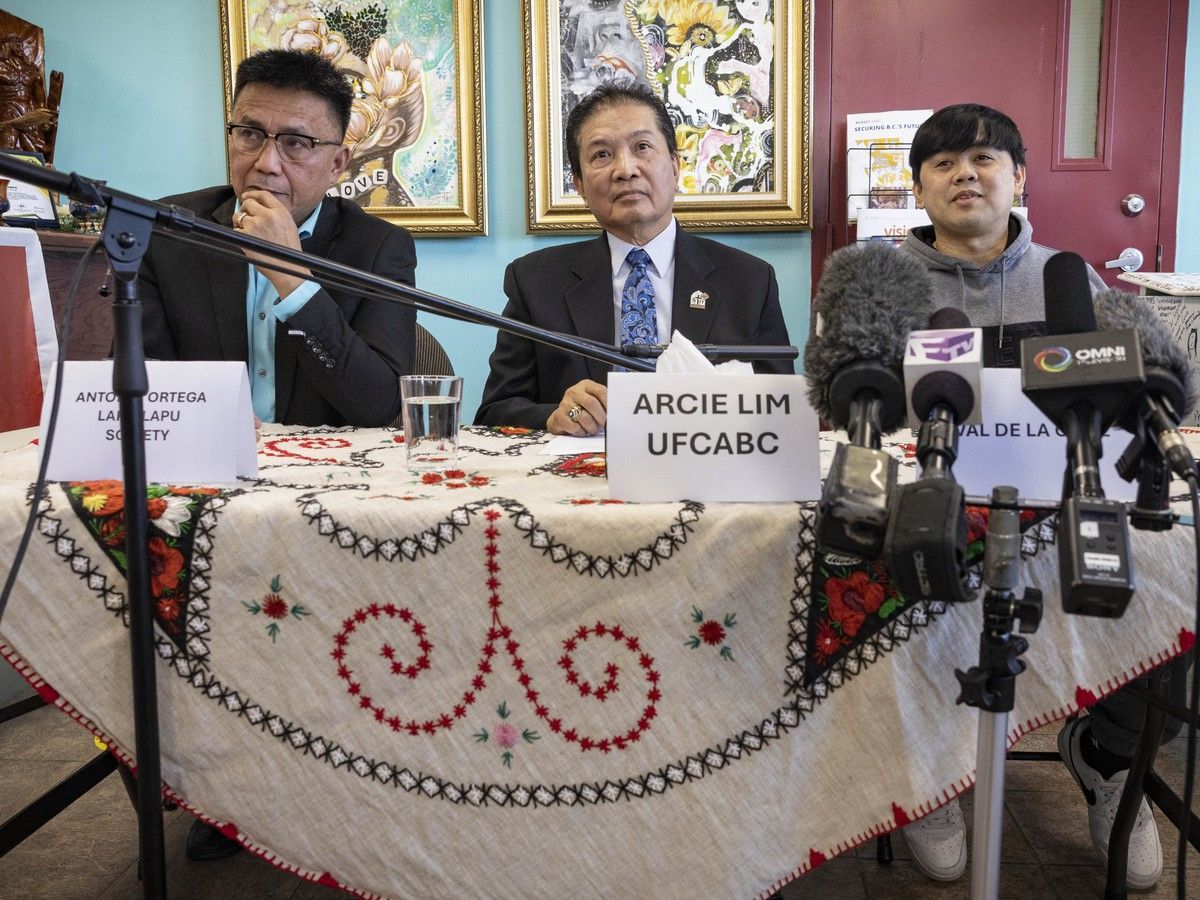
When asked about provincial safeguards to ensure donations are used as advertised, Vancouver—Kensington MLA Mable Elmore pointed to the United Filipino Canadian Associations in British Columbia, which she said gave all the money it was granted from the Kapwa Strong Fund directly to victims of the April 26 attack.
“How do we ensure that happens elsewhere?” Elmore questioned, adding that B.C.’s premier has also agreed that transparency around the relief funds is necessary.
Elmore made a public call earlier this month for any remaining relief funds to go directly to victims and their families.
Filipino B.C. has defended their use of Kapwa Strong funds, but continues to decline to provide a breakdown of how it used the donations, saying “a detailed breakdown of expenditures and allocations will be provided in our annual report.” It has not said when that will be.
The organization is promoting its third-annual Lapu Lapu Day festival. Originally planned as a two-day event on April 18 and 19 at the Italian Cultural Centre, it has since been scaled back to a single day on April 19 and rebranded as Lapu Lapu Day of Togetherness.
Filipino B.C. is fundraising for the event.