 BURST
BURST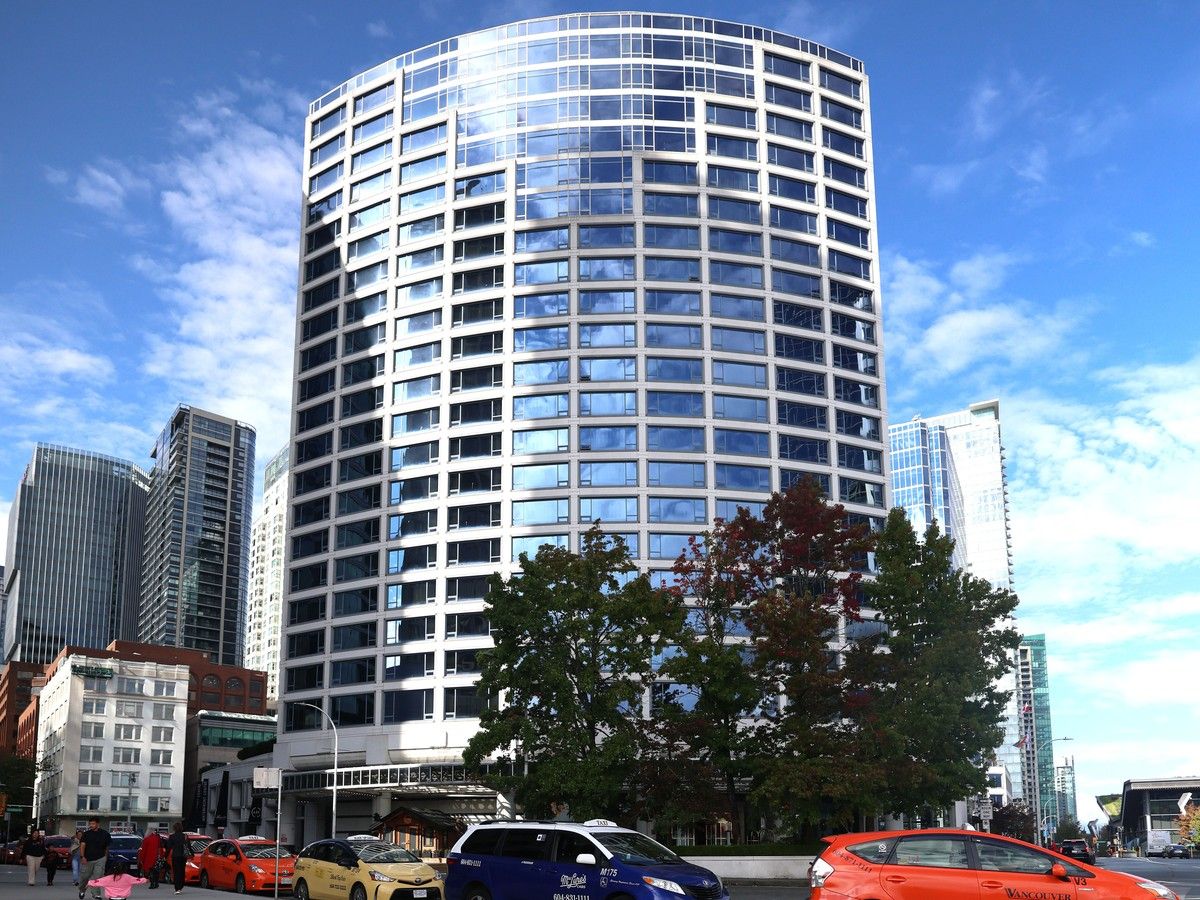
The Canadian Taxpayers Federation says the B.C. government is wasting money on luxury hotels.
The federation’s B.C. office said the government spent over $104,000 at Fairmont hotels between April 2024 and March 2026, including $36,382 at the Fairmont Vancouver Airport, $30,577 at the Fairmont Hotel Vancouver and $23,499 at the Fairmont Waterfront Vancouver.
The two Fairmont hotels on an approved list, a list of hotels where the government has negotiated a set rate with the operator, are the Fairmont Waterfront and the Fairmont Hotel Vancouver. Both have rates of $337 a night.
In a statement, the Ministry of Finance said “all government travel follows established approval, expense, and accountability requirements.”
“B.C. Public Service travel policy requires employees to select the most cost-effective option that meets business needs,” said the ministry.
“Where accommodation costs exceed established limits, pre-authorization from the appropriate expense authority is required and considered case-by-case, including factors such as availability, urgency, and peak travel periods.”
It also said that it has reduced spending on travel, office and business expenses, conferences and events over the past couple of years, with $467 million saved in the 2025-26 fiscal year.
Carson Binda, B.C. director for the Canadian Taxpayers Federation, said that the spending comes as the province’s deficit keeps rising, including a projected deficit of $13.8 billion in the 2026-27 fiscal year.
He believes the government needs to be more transparent about how it selects hotels for ministers, staff and public servants when they need to travel within the province for work.
“This is coming at a time when they’re hiking taxes on Oct.1, when we know food bank lines in the province have never been longer. I think it shows that this government’s out of touch with the way it uses taxpayer money,” said Binda.
By far the biggest spender, according to the Canadian Taxpayers Federation, was the Ministry of the Attorney General, which racked up $45,908, including $31,615 at the Fairmont Vancouver Airport, which is not on the government’s approved accommodation list.
In a statement, the Ministry of the Attorney General said that sometimes last-minute bookings are needed to sequester juries and the options may be limited.
“Jury sequestration is directed by the court and accommodation requirements can sometimes not be reserved well in advance because the timing and duration of trials are often uncertain,” said the ministry.
Rooms at the Fairmont Vancouver Airport go for over $300 a night. Other options within driving distance of the airport that are on the approved hotel list include the Accent Inn-Vancouver Airport at $215 a night and the Steveston Waterfront Hotel at $250 a night. But those options require travel to and from the airport.
There are more expensive options on the government’s approved list as well, including the Granville Island Hotel at a current rate of $399 a night and the Grand Park Hotel & Suites Downtown Vancouver at $359 a night.
The province is set to extend the provincial sales tax to professional services like bookkeeping and security next month, which has led to complaints from small-business owners about the potential impact on the cost of running their stores.
Premier David Eby told reporters last week in Victoria that the increase is needed to help support B.C. businesses and help pay for government services in a province that he says is increasingly service-based.
Binda says that if British Columbians are having to tighten their purse strings then so should the government.
He said that in every single case of a Fairmont stay, the federation was able to find more affordable options nearby.
“I think taxpayers need government to lead by example and start showing us that they are saving money. Staying at hotels like the Chateau Whistler, the Fairmont Pacific Rim, those are some of the most expensive hotels in the country,” said Binda.
“I think they need to show taxpayers that they’re seriously looking for savings, and that means skipping expensive luxury hotels and staying where normal British Columbians stay, whether that’s the Super Eight or the Best Western.”