 BURST
BURST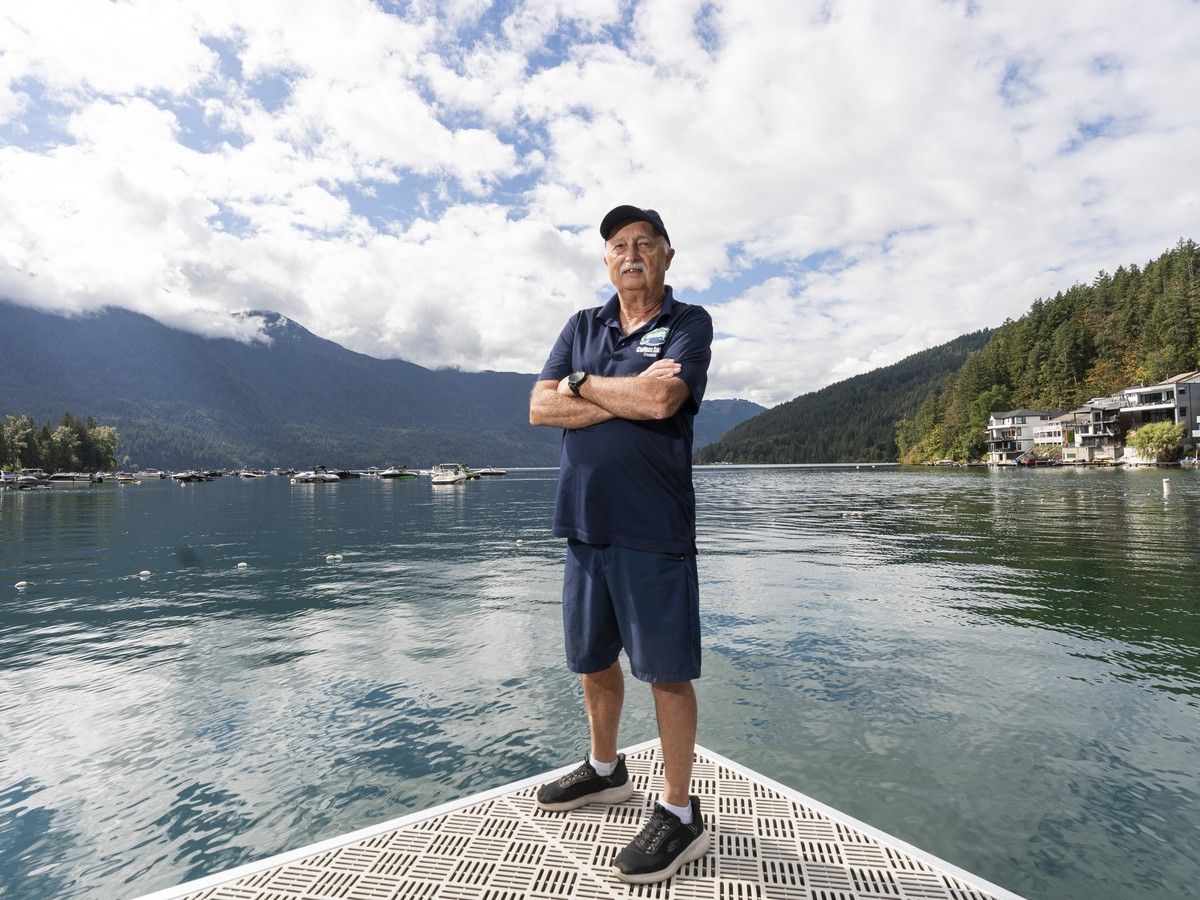
Is it possible to put a price tag on the perfect summer day?
Leaping off a dock into cold, clear water. Gathering around a grill on the beach. Sleeping in a tent, water-skiing, catching a fish.
A group of researchers is working to put a monetary value on the experiences that draw up to three million people to Cultus Lake near Chilliwack each year as part of an effort to save the lake from pollution that raises the risk of toxic algae blooms.
Rising air and water temperatures, combined with air and watershed contamination, have created a worsening problem “deep and hidden within Cultus Lake,” according to a scientific study by a federal researcher that called the lake a “bellwether” of how B.C.’s aquatic ecosystems are changing due to climate change and human activity.
While Cultus Lake has yet to see a significant algae bloom, the risk is increasing with a high likelihood the lake will transition to a new “trophic” stage with more plants, algae and organic sediment within the next 25 years, said the study. That has implications for at-risk fish species, but also for the many British Columbians who visit the lake each summer.

Staving off changes to the lake could be a “very, very expensive venture,” said Ernie Vance, a director with the Cultus Lake Stewardship Society. Warm weather combined with airshed pollution that increases nitrogen and phosphorus is reducing oxygen levels in the deepest parts of the lake, increasing the potential for algae growth. One possible solution is an oxygenation system that pumps air into the deep water.
In order to make the case for intervention to the various levels of government responsible for the lake, the society is supporting a survey to determine the cost if the lake continues to degrade.
Researchers have been asking beachgoers, hikers, mountain bikers and people visiting attractions such as the waterslides and golf course to complete a survey about why they visit the lake, and how various factors, including the health of the lake, parking, crowding and the amenities in the surrounding area, influence their decisions. The survey is also available online until mid-September.
Lead researcher John Janmaat, an economics professor at the University of B.C. Okanagan, said very preliminary results suggest “the lake is the draw” for most visitors, and “other features are important, but secondary.”
“I think the lake represents something that is really important to people, but they typically don’t pay money for it,” he said. “But if we want to protect the lake, we may have to spend money. So how do we justify spending millions of dollars to do that?”

The survey attempts to “tease apart” the unique value that respondents put on the lake by asking where they might go for a similar experience if Cultus was no longer an option, and whether they’d continue to come if the lake health was poor, but parking was better or there were more attractions in the area.
Janmaat said the issues facing the lake are complex and related to urbanization and agriculture. Those “inputs” may be hard to change, while trying to address the problem “at the output” may be the most practical solution.
That could mean an oxygenation system to help improve oxygen levels and keep other nutrients, like nitrogen and phosphorus, in check, reducing algae growth. The system could improve fish habitat and help prevent the toxic blooms that sometimes occur in other B.C. lakes.
Vance said the stewardship society has noted several small algae blooms in Cultus, most recently in 2024 at the north end of the lake, where the water is more shallow and there are often geese.
“I think it was a wake-up call,” he said. “We’re not trying to raise the alarm or scare anyone away, but it shows that we need to be proactive.”
While not all algae blooms are toxic, some can make it dangerous to be in the water. A dense algae bloom on Nicola Lake near Merritt in the summer of 2025 is suspected of killing several dogs and making others sick. While not usually fatal to humans, exposure to blue-green algae, or cyanobacteria, can cause headaches, fever, sore throat, dizziness, stomach cramping, vomiting, muscle aches, mouth ulcers and rashes.
The B.C. government runs an “algae watch” website , which encourages people to report blooms, but warns that the information posted is “unverified and insufficient alone to determine whether the potential algae bloom is a risk to human or animal health.” The map contains 27 observations so far this year, with the vast majority reported in July and August in the Interior region. There have been no reports in the Fraser Valley or Vancouver Coastal areas.

There have been attempts to address the problem in some areas. In response to declining water quality at Elk Lake on Vancouver Island, an oxygenation system was installed in 2023. The project cost $1.6 million with a $750,000 contribution from the province. While data shows the system is working, algae blooms have persisted in the lake “due to climate-related impacts, namely warmer temperatures and drought, followed by heavy rainfall events that carry nutrients from the land into nearby water bodies.” according to the Capital Regional District website .
In the case of Cultus Lake, urbanization and agriculture are significant factors. As the paper by a federal fisheries scientist elegantly described it, “landscapes and aquatic ecosystems are inextricably linked to the atmosphere.” While water and air have transported the nutrients needed to sustain the Cultus Lake ecosystem for millennia, human activities and land use have recently started to interrupt those processes.
As a result, algae has been increasing since the 1970s in step with “regional population increases, landscape development and agricultural expansion in the Fraser Valley.”
A 2019 study found that much of the nitrogen in Cultus Lake lake is deposited through run-off from nearby agricultural areas or through watershed run-off, which is linked to air pollution. Similarly, phosphorus in the lake is also linked to contamination of the Fraser Valley airshed, with atmospheric deposition contributing to high levels in watershed run-off. The increased presence of both nutrients in deep water, where oxygen becomes depleted, is linked to algae blooms.
“This worsening problem is deep and hidden within Cultus Lake, much like the algal blooming that sustains it,” said the paper. “It threatens overall lake water quality, the persistence of species at risk which rely upon these habitats, and the many highly valued lake ecosystem services.”
On a recent evening at the lake, the problem was impossible to detect.
At the main beach area, people played golf, enjoyed the waterslides at Cultus Lake Waterpark and rode logging-themed rides at a small amusement park. Further down the road, at Cultus Lake Provincial Park, orange pylons lined the shoulders of the road to prevent weekend crowds from parking illegally.
The parking lot below Teapot Hill, where hikers sometimes hide old teapots along the trail, was almost full, as were the four main provincial campgrounds on the lakeshore.
The water was buzzing with speedboats and jetskis.

On the beach at Maple Bay, people grilled supper and sipped drinks, their voices drowned out by loud music as a boat passed close to shore, a woman surfing in its wake. A series of waves crashed onto the rocky beach, causing two laughing paddleboarders to drop from standing to sitting until they subsided. Dogs played on the dog beach as a young couple skipped stones nearby.
As the sun disappeared behind Vedder Mountain, the lake grew still. Two canoes cut a path through the water as the noise on the beach faded to a soft hum, punctuated by laughter from a group of kids in PJs on the dock.