 BURST
BURST
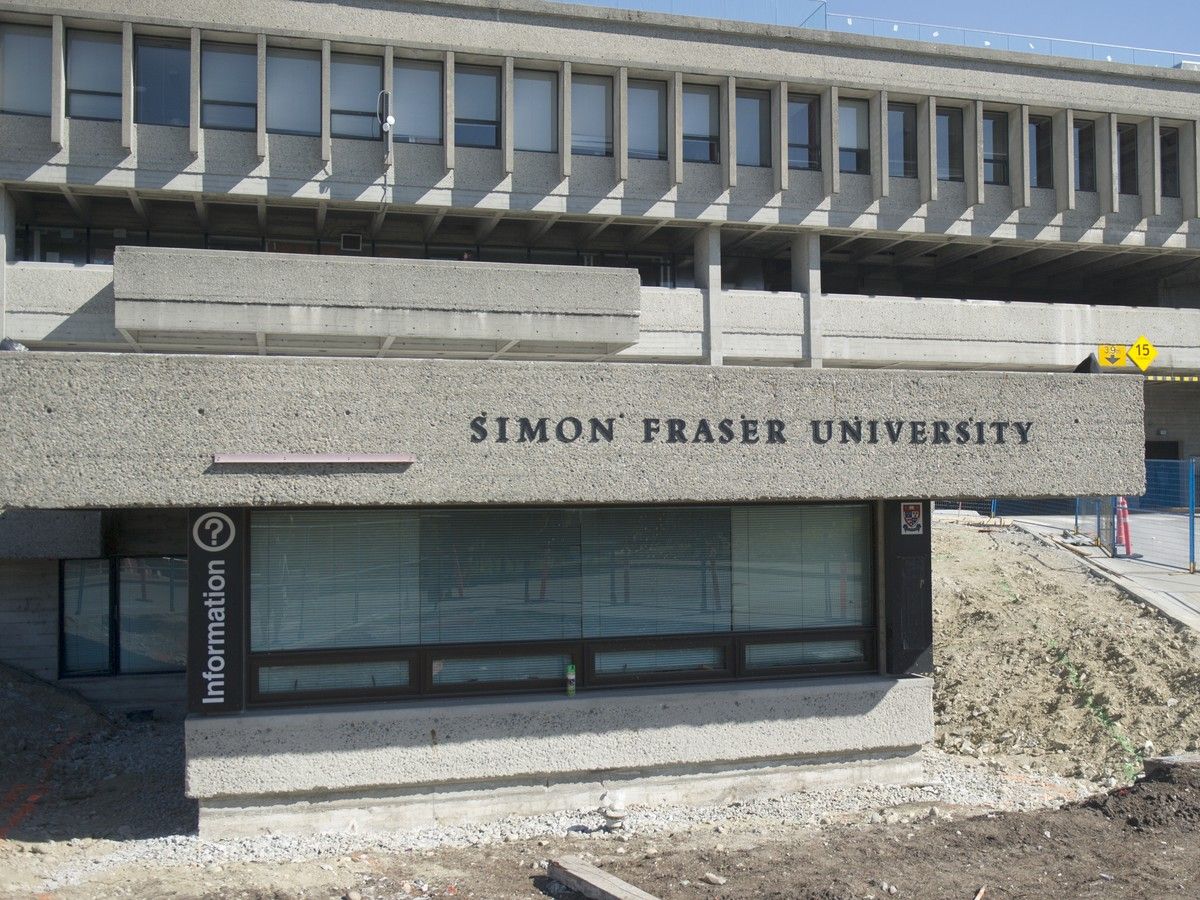
Researchers at Simon Fraser University are working on advancing new artificial intelligence tools that could transform the way new drugs to treat diseases like cancer are discovered.
Martin Ester, professor of computing science at SFU, who published a breakthrough study last summer on a way to speed up designing complex molecular structures to target disease, says now they will be partnering with a startup to test the method on autoimmune disease.
He can’t disclose the name of the company, but he said it is exciting new research that could one day help scientists treat autoimmune diseases such as arthritis, Crohn’s disease and inflammatory bowel disease more effectively.
Their method, called CGFlow, enables AI to simultaneously model how a molecule is constructed and what it looks like in 3D. By exploring the space of potential drug molecules more comprehensively, scientists can shorten the time it takes to discover and produce drugs to help cure diseases.
Ester said one of the biggest challenges is that the molecules scientists generate on the computer often cannot be synthesized in the real world in the lab, making it difficult to come up with a realistic chemical recipe to build the molecule. But their method can be synthesized in a lab.
“We have a library of chemical reactions … and we make sure that every step in this generative process corresponds to some known chemical reactions. So that increases the probability that the molecule can actually be synthesized,” he said.
The lead author of the study, Tony Shen, who was working on his doctorate last year, is now working for Isomorphic Labs in the U.K., where he is furthering this research with promising new drug development.
Ester, who has been working with the Vancouver Prostate Centre for a decade, said the development of a new drug is an extremely time consuming and expensive process, often taking 10 years to develop. He’s been working with a leading chemist in drug discovery at the centre, Dr. Artem Cherkasov, on AI learning methods for drug discovery.
“We need chemists in order to validate our molecules, to synthesize the molecule in the wet lab, and then to test whether it actually binds to the target protein, how toxic it is, and so forth.”
He wouldn’t speculate on how many years this method could save, but he said the less time it takes, the more money is saved and the quicker potentially life-saving drugs can help people.
“We have developed a machine-learning method that practically guarantees that the molecule generated can be created through chemical synthesis in the real world,” says Ester. “This is a hugely important aspect in translating the results of these generative models into practical applications, it is very exciting.”
Several companies are also looking at adopting the CGFlow method for early-stage cancer drug discovery.
And it’s not just cancer and autoimmune disease. The method could work for anything with disease-causing proteins that scientists can target, he added.