 BURST
BURST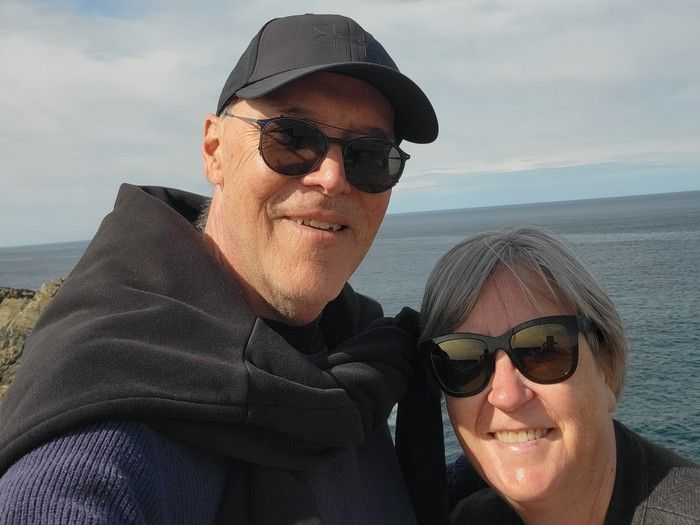
Quebec resident Jean-Marc Blouin says he had been looking forward to a cross-country road trip this summer — until a new fee in B.C. forced him to rethink his plans.
When Blouin began booking campsites on the online reservation system this month for July, the 62-year-old noticed that B.C. had introduced an additional $20 fee per booking for people who live outside the province to snag a spot at some of its most popular parks.
“I was so disappointed,” recalled Blouin, who had mapped out a route with his partner Chantele that would take them from Quebec to B.C., with overnight stays at scenic provincial parks around Vancouver, in the Okanagan Valley and on Vancouver Island.
B.C. is the only province to introduce a surcharge for foreign and out-of-province campers. The fee is new this season, which runs until Labour Day, applying to campers based on their home address during reservation or upon arrival.
The couple decided to keep their plans within Canada after tensions around U.S. travel led them to reconsider crossing the border.
But the new surcharge — which applies to 59 high-demand front-country B.C. campgrounds and four backcountry parks (Garibaldi, Golden Ears, Joffre Lakes and Mount Assiniboine) — changed their approach. The levy includes cabin rentals, mooring buoys and dock use.
Provincial officials say the fee hikes are driven by what B.C. Parks call “unprecedented demand” at the most popular locations, and extreme weather that makes maintaining them increasingly difficult.
“By renewing the parks and recreation system, we are creating a more sustainable operating model that strengthens stewardship and long-term protections of the natural spaces people cherish,” Tamara Davidson, B.C.’s minister of environment and parks, said in a news release announcing the surcharge.
In the past six years, visits to B.C. Parks sites have grown by about 30 per cent, now averaging more than 27 million visits a year. About 15 per cent are visitors who live outside of B.C. who often stay at the most popular campgrounds.
“That has put a strain on aging infrastructure, trails, day-use areas and the natural environment, particularly at B.C. Parks’ most popular locations,” said a statement from B.C. Parks. “At the same time, floods and wildfires have caused widespread damage to facilities and infrastructure, driving the need for significant repairs and ongoing reinvestment to keep parks open, safe and accessible.”
Camping fees at popular front-country sites previously ranged from $5 to $35 a party, per night, but now run from $5 to $51. Fees at 388 other provincial parks remain unchanged.
B.C. Premier David Eby urged Canadians last year to keep their spending in the country in response to threatened U.S. tariffs on Canadian exports proposed by President Donald Trump in January 2025.
“When you’re planning your March break vacations, when you’re planning your summer vacations, if the tariff threat is realized, the deliberate economic attack on families in our province, in our country, by the president of the United States, that we really should think carefully about spending our money in that country,” Eby said at the time.
The federal government has also been moving to make domestic travel more affordable by reducing campground fees for Canadians by 25 per cent at national parks for the 2026 season (June 20 to Sept. 2) through its Canada Strong Pass.
“I was surprised to see B.C. do the opposite,” Blouin said.
Since the surcharge, the couple changed their camping plans, booking primarily at private sites and reserving only one B.C. Parks campsite, Juan de Fuca, on southern Vancouver Island.
“With the new fee, it was almost the same price to book private campsites, and they have electricity and water,” he said.

Most provincial park systems in Canada treat Canadians the same, with surcharges in provinces such as Alberta, Ontario and Quebec only applied to international visitors. Similarly, in the United States, some major national parks — including Yellowstone, Yosemite and the Grand Canyon — have introduced a $100 surcharge for non-American visitors.
“I think an extra fee for non-Canadian residents would have been a much better choice,” said Blouin.
Should the B.C. government charge a fee to campers visiting from other parts of Canada? Send your views to reporter Sarah Grochowski at sgrochowski@postmedia.com
— With files from Joseph Ruttle
[relatedlinks/]