 BURST
BURST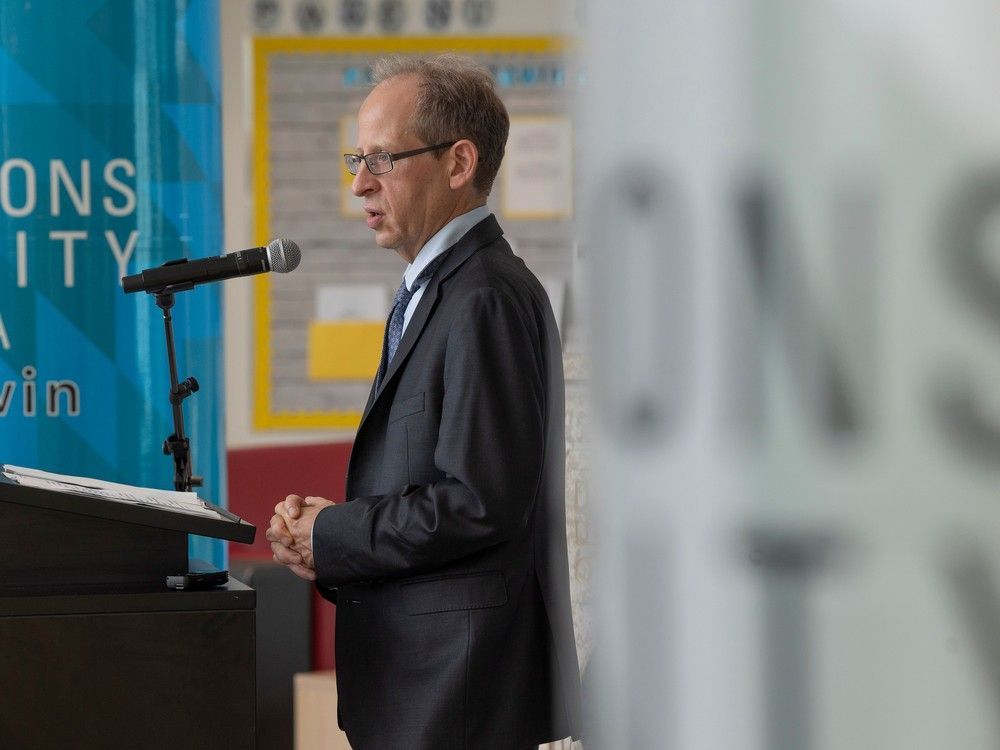
New federal policies have led to a 75 per cent drop in international student enrolment and a $20-million funding gap at the University of Regina, says school president Jeff Keshen.
“It’s just been an exercise in frustration for the last two years,” Keshen told the Regina Leader-Post.
In January 2024, Immigration, Refugees and Citizenship Canada (IRCC) announced an intake cap on international student permit applications. A federal government news release at the time said admission limits were designed to “stabilize” international student arrivals and alleviate “pressure on housing, health care and other services.”
“In the spirit of fairness, individual provincial and territorial caps have been established, weighted by population, which will result in much more significant decreases in provinces where the international student population has seen the most unsustainable growth,” explained the government statement.
However, a recent report from the federal auditor speaks to Keshen’s frustrations with the system, suggesting it may not have been fair to provinces like Saskatchewan.
“Smaller provinces were disproportionately impacted by lower study permit approvals,” stated the report from last month, titled International Student Program Reforms.
Steep drop
Changes to the system were intended to bring down approvals in provinces experiencing “unsustainable” growth while boosting approvals elsewhere, according to the auditor general. Saskatchewan was actually projected to see a 10 per cent increase but instead faced a 63 per cent reduction.
“The department’s approach resulted in smaller provinces experiencing two compounding challenges: limited allocation spaces and lower study permit approval rates. This was made worse by decreasing application volumes,” stated the report.
Of the three major post-secondary institutions in Saskatchewan, the U of R was seemingly hit hardest. New international student numbers slumped by nearly 76 per cent from 2,480 in the 2023-24 academic year to 606 in 2025-26, according to data from the university.
Saskatchewan Polytechnic’s numbers show a 68 per cent decline in new international enrolment, with 3,030 students arriving in 2023-24 versus 977 for 2025-26. The University of Saskatchewan recorded a nearly 57 per cent drop from 1,402 international students to 608 over the same period.
‘They start looking elsewhere’
Thevi Pather, associate vice-president of international at Sask Poly, says potential students worry about having their applications rejected.
The number of international applicants to Sask Poly dropped from 10,408 in the 2024-25 academic year to 5,529 for 2025-26.
“It settles deeply in the psyche of students and then they start looking elsewhere,” said Pather.
Sask Poly has cut back on staff, faculty and programs over the past year, continually citing financial shortfalls attributed to the changing international student landscape.
“There’s a point where that program can operate or not operate, and that’s what we find ourselves in right now,” Pather said. “Seats that would have been filled by internationals and cover costs and make those programs viable can no longer be offered.”
In addition to the federal intake cap, there are other immigration policy changes playing out. The IRCC has been trying to crack down on falsified acceptance letters and has narrowed the eligibility for graduates of certain programs to get a work permit after completion.
Keshen says it has become increasingly difficult to convince students there’s room for them in Saskatchewan and the loss is being felt.
“No institution can really cope financially without real costs to that institution,” Keshen said.
Related
The Regina Leader-Post has created an Afternoon Headlines newsletter that can be delivered daily to your inbox so you are up to date with the most vital news of the day. Click here to subscribe.
With some online platforms blocking access to the journalism upon which you depend, our website is your destination for up-to-the-minute news, so make sure to bookmark leaderpost.com and sign up for our newsletters so we can keep you informed. Click here to subscribe.