 BURST
BURST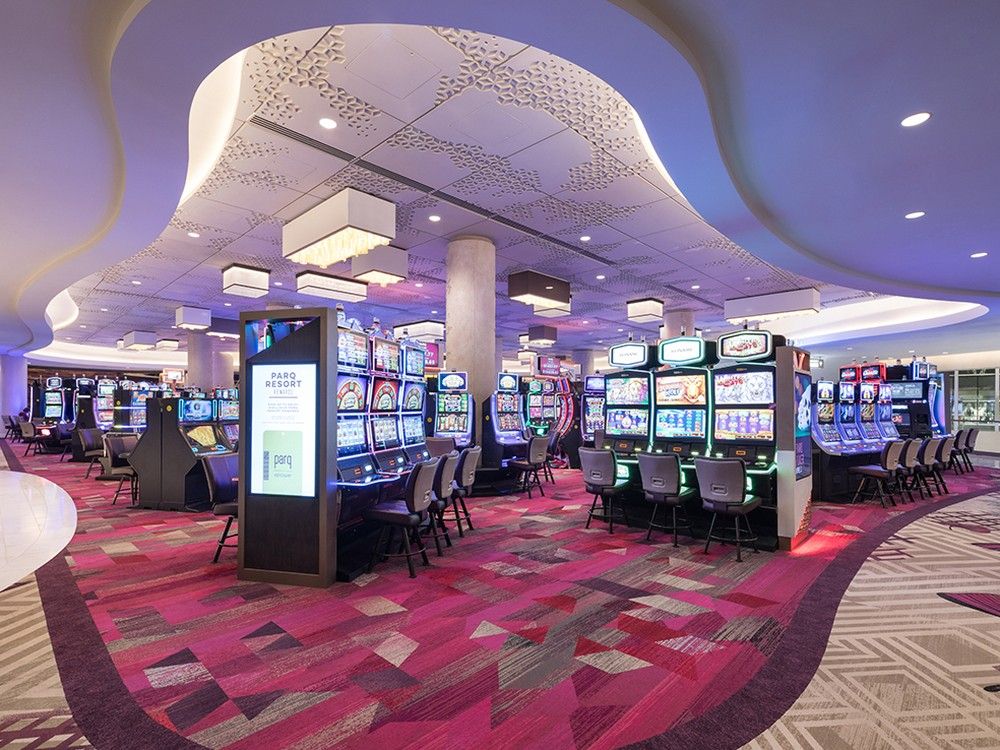
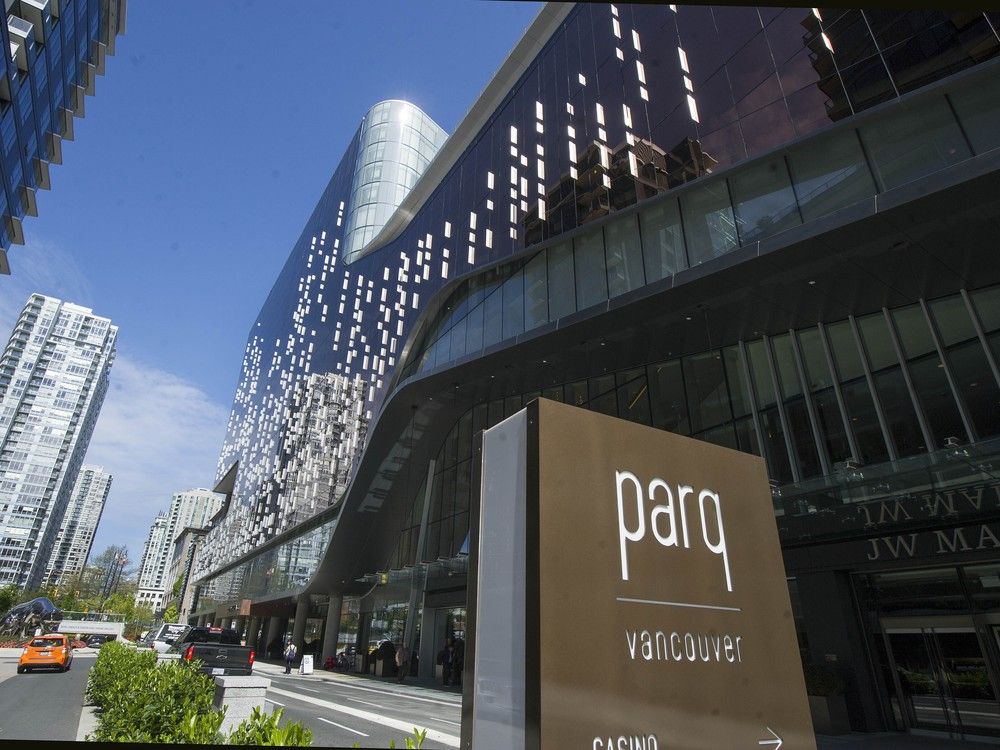
Parq Holdings, which operates a Vancouver casino in a hotel and conference centre next to B.C. Place Stadium, is seeking to increase the number of its slot machines by 50 per cent, from 600 to 900.
In early February, city council referred Parq’s request to a public hearing for this week on Tuesday.
The ask from Parq comes after council decided in May 2024 to amend the city’s moratorium in 2011 on gambling expansion as requested by the B.C. Lottery Corporation.
At the time, council voted 5-to-3 in favour of allowing gambling expansion applications to be received as long as “they include an assessment of the health, social and economic impacts of the proposals.”
Even as the change was approved by council, however, critics pointed out that many prominent business leaders, economists, public health experts and church leaders had long supported keeping the moratorium because of the negative risks of gambling addiction and, in particular, how Vancouver’s casinos draw in vulnerable, low-income seniors.
The staff summary and recommendation for the public hearing on Tuesday does include a health impact assessment (HIA) analysis.
It notes a HIA analysis was reviewed by Vancouver Coastal Health, the Vancouver Police Department and the UBC Centre for Gambling Research. It sets out the anticipated benefits of adding slot machines as increased public revenues that could be directed to prevention, treatment or community services for health and social value, as well as creating additional jobs and “expanded gambling options for casual players who primarily use the casino for recreation and socializing and are not at risk of problem gambling.”
The analysis identified problem gambling as the central health risk and said that slot machines are one of the gambling forms most strongly linked to problem gambling.
It added there is a “disproportionate impact on vulnerable groups” such as “people experiencing mental health and substance abuse issues, low social connectedness, as well as older and younger adults, particularly among Indigenous peoples and South Asian communities.”
It also said problem gambling is linked to increased risk of financial strain, domestic violence, substance use issues and higher demand for health and social services.
It identified that players with incomes under $40,000 are the second high-risk group for problem gambling after a minority of frequent, higher risk problem gamblers.
The staff report said Parq anticipated that roughly 305,000 new players will visit the casino over five years due to adding the slot machines and that the expansion would generate additional revenue and employment, plus entertainment benefits for an estimated 200,000 non-problem gamblers.
Staff recommended that a council decision to approve adding 300 more slot machines should be contingent on requiring actions to mitigate harms such as sustained monitoring, staff training and an increase in payments to social responsibility and research funds from $750,000 in 2027 to $900,000 in 2028 and from then on, to be indexed to the consumer price index.
Parq Casino, in its application to the city, said it has the lowest density of slot machines in the Lower Mainland and that it needs more to meet demand as the city’s population has grown by 140,000 in the past 20 years and the region’s by over 900,000.
“This shouldn’t be another giveaway at City Hall,” said Michelle Travis, the research director for Unite Here! Local 40, which represents hospitality workers and has been voicing its opposition to Parq’s request.
She said that Parq is already behind in inflationary-adjusted payments owed to the city under an existing community benefits agreement.
“Why should we trust they’ll make good on future payments?”
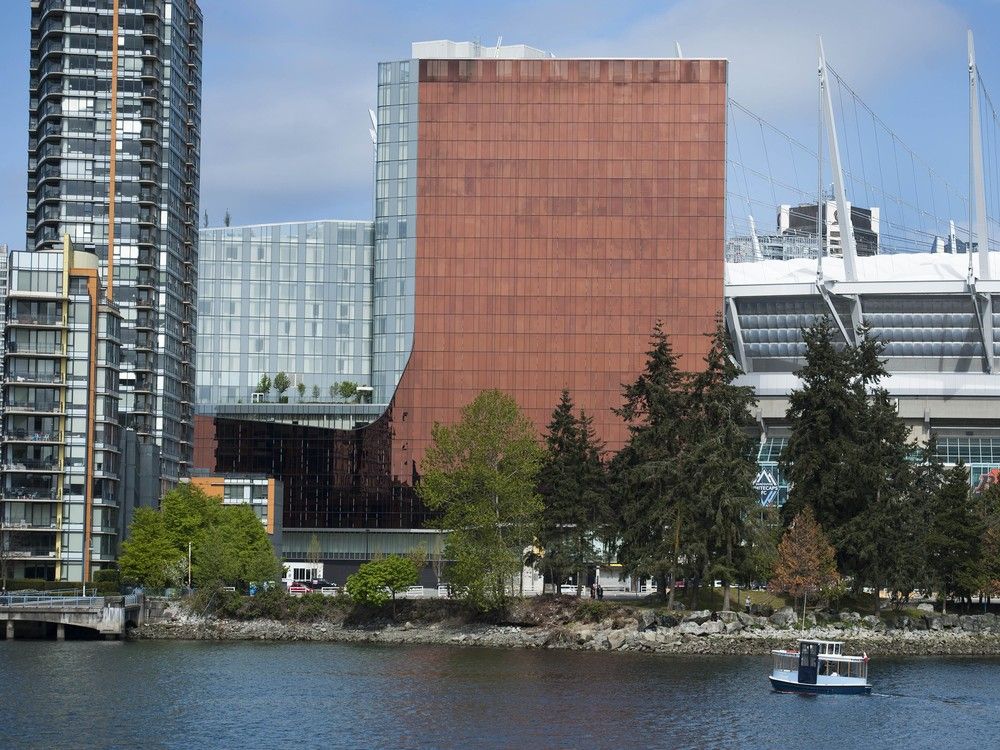
The history of the Parq site goes back to when Las Vegas-based casino management company Paragon Gaming bought Edgewater Casino in 2006 when it was the only licensed casino in the city. The company pushed, but failed to convince city hall to allow it to expand Edgewater.
In the following years, media attention and public opposition against the expanding of casinos in the area continued with the moratorium coming into effect in 2011.
Paragon, along with Ottawa-based real estate holding company PBC Group and Toronto-based Dundee Corp., relocated the license it had to operate Edgewater and developed Parq Vancouver, a hotel and conference centre with a 72,000-square-foot casino on two floors that opened in 2017 on Smithe Street with 600 slot machines.
There was a lot of splashy fanfare, but Parq soon faced headwinds when the B.C. government brought in anti-money-laundering rules in 2018 that other casino operators said were partly responsible for reducing their revenue. These included requiring casinos to gather information on sources of funds used by players for transactions that were above $10,000.
The Parq Vancouver project also struggled with its own initial financing debt and was carrying massive loans in the hundreds of millions of dollars.
By early 2019, Paragon sold its stake in Parq Vancouver for an undisclosed amount to PBC Group.
Later in the year, after some missed debt payments, PBC and Dundee refinanced some of the large loans and secured a new majority equity partner in the form of Westmont Hospitality Group, which manages or operates over 500 hotels in North America, Europe and Asia.
Aside from tying the quality of economic development to casino revenue, which grows with addiction issues, Simon Fraser University urban studies associate professor and planner Andy Yan said that allowing for more slot machines is a curious move for Parq’s business model since they are a part of the gambling industry that is on the decline compared to online and other options.
Related