 BURST
BURST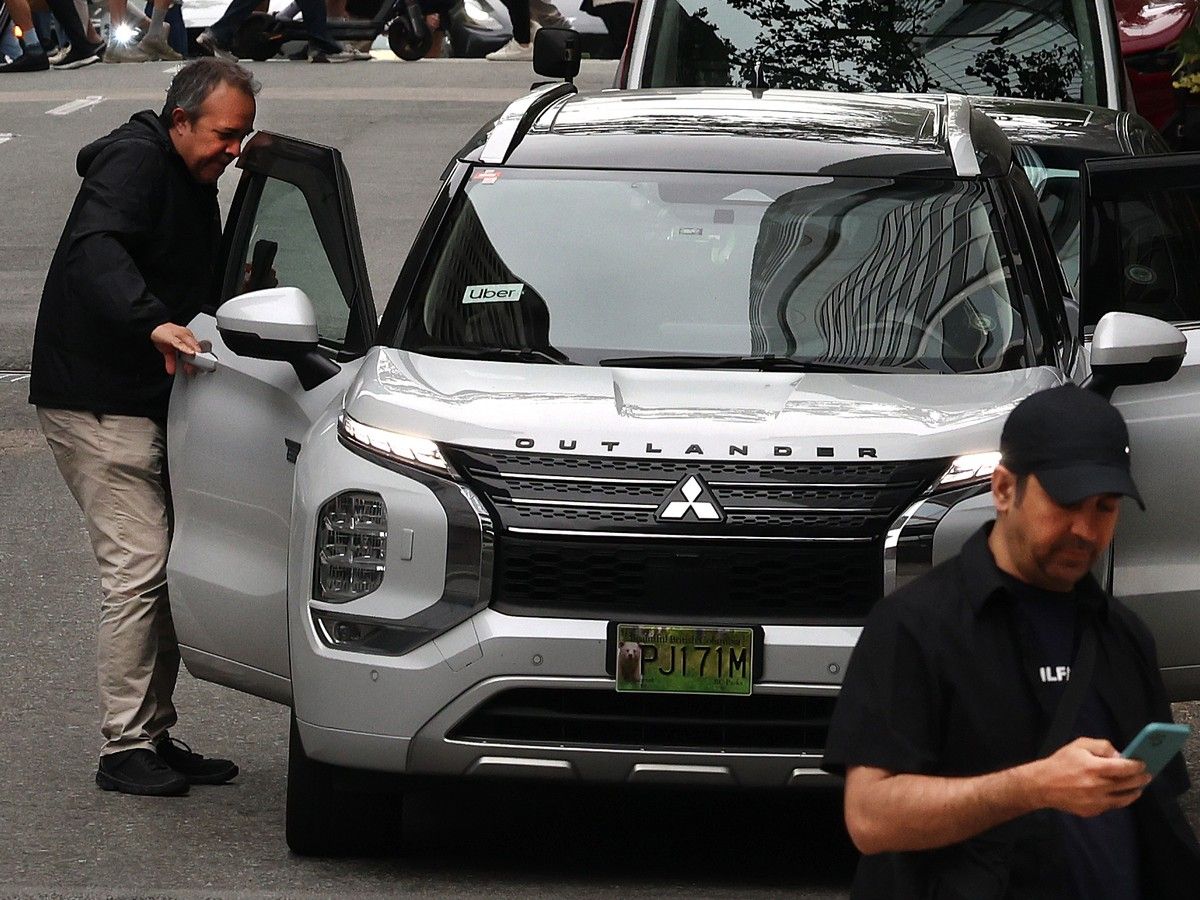
Ride-hailing trips have more than tripled in Metro Vancouver in the past five years, with many of them replacing trips that would have otherwise used transit, according to a TransLink report .
There were roughly 3.5 million monthly ride-hailing trips using services, such as Uber and Lyft, in Metro Vancouver at the end 2025 — up from about one million a month in 2021, when the services were first approved.
“A few years ago, there were about 10 times more transit trips than ride-hailing trips. In 2025, it was down to only six times more transit trips,” Sarah Ross, TransLink’s vice-president of planning, told TransLink’s board of directors and mayors’ council on regional transportation this week.
Across the region, roughly one-third of all ride-hailing trips were on routes where a single-leg, transfer-free transit journey was an option, the report said. Ride-hailing use was heaviest in denser, more-walkable neighbourhoods with high transit access. Peak usage time overlapped with rush-hour traffic, driving up road congestion.
“It is these short trips within dense urban centres where ride-hailing trips are less optimal — most competing with walking and transit, and most adding to congested traffic conditions,” the report states.
Thirteen per cent of all regional ride-hailing trips both begin and end within the core of Metro Vancouver and 71 per cent of those trips could have been done on transit with no transfer. Another eight per cent were within walking distance of their destination.
Most of the trips happened during times and in locations where transit operates frequently, raising concerns that ride-hail services are competing with public transit for users. SkyTrain ridership declined throughout 2025.
Kelly Clifton, a professor at UBC’s school of regional planning, said in an email the report’s findings mirror some results from a study she led in Portland , Oregon, where a large percentage of ride-hailing use also took place where transit was a competitive option.
“Folks may opt for ride-hail because they will be drinking, are dressed to go out and have less appropriate clothing/shoes for walking to/from and waiting on transit, or have reservations and feel stressed for time,” Clifton wrote. “Also, tourists may be unfamiliar with transit generally and not know the area well.”
Vancouver International Airport was the most common pickup destination and people were almost as likely to use a ride-hailing service as they were to use transit, despite the SkyTrain station at the airport terminal.
Between 2024 and 2025, ride-hailing trips out of YVR grew 43 per cent, according to Ross. Trips to the airport increased by 11 per cent in the same time period.
Ross pointed to a number of possibilities for this, including cheaper fares when cost-splitting among several travellers, avoiding the need to transfer among transit lines, and habit.
“There’s people who come in and are just accustomed to taking a ride-hailing trip, and they’re not thinking about transit,” Ross told the board.
“It’s something we want to continue to connect with our colleagues at the airport on,” she said.
The report notes that ride-hailing services complement transit by filling gaps when transit is less available . Friday and Saturday evenings were the busiest times for ride-hailing services, along with late-night hours when transit services are less frequent.
Clifton said safety at night likely also plays a role, particularly for vulnerable populations or people travelling alone.
“Ride-hailing may be perceived as a safer option,” she said.
Clifton suggested a number of options that could move some people toward transit, including information campaigns and visitor transit passes for tourists, and more education for local residents around transit options, the benefits of transit and active transportation options, like bike- and scooter-sharing services.
“Ride-hailing surcharges on those pickup and drop-offs in areas and times that are well-served by transit can motivate some to switch to transit,” she added.
TransLink didn’t respond by deadline to Postmedia’s request for estimates about revenue loss due to ride-hailing.
A study on the congestion impacts of ride-hailing is expected from the B.C. Ministry of Transportation this year and TransLink is considering additional research to begin in 2027 that would examine who ride-hailing users are and why they might choose that option over transit, among other details.
Related