 BURST
BURST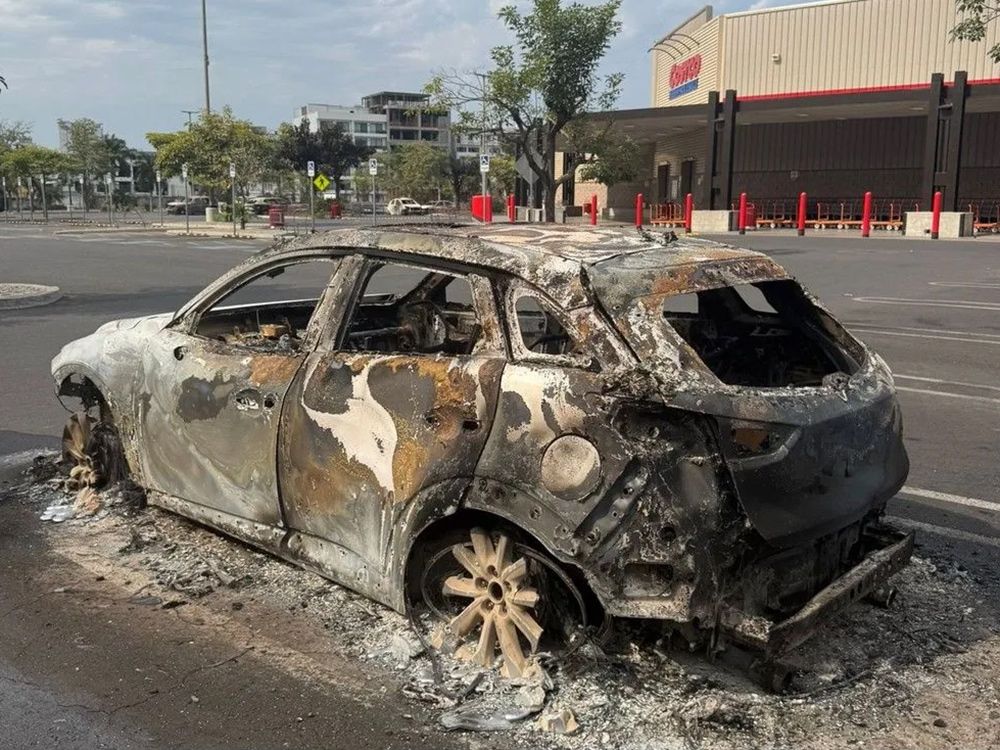
I never saw it coming.
I had spent 10 days in sunny Puerto Vallarta, the Mexican resort city on the Pacific coast, enjoying what hundreds of thousands of Canadians do every winter, splashing in the surf and eating too many tacos.
On the return trip to Fredericton, my family missed our connection and got stuck at Toronto Pearson Airport. After getting over my initial temper tantrum over the slowness and thoroughness of Canadian customs and security, my only real concern was a slight itchiness from the burn on my back and the queasiness of my stomach from some bad food I ate on the vacation.
It was a short time later that our phones started blowing up with news from my brothers’ families who were still in Puerto Vallarta.
The first message was from my oldest brother, Mike Chilibeck, who had rented the villa for our three families that had flown to Mexico for his youngest daughter’s wedding.
“The cartel is burning cars all through town,” he wrote on our family group chat. “You guys left just in time.”
My brother jokes a lot, and overtime was just beginning in the Olympic men’s gold medal hockey game, so I was distracted and didn’t take his message seriously.
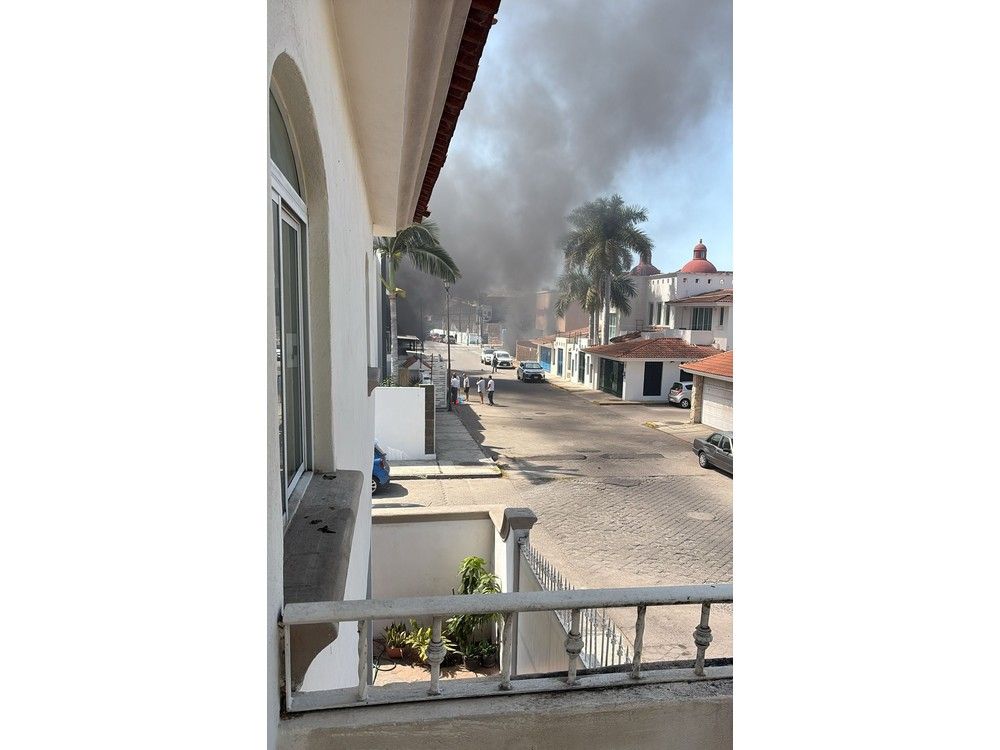
Four minutes later, his oldest daughter, Karina, posted a 10-second video from her rooftop patio a short distance from the villa, showing dark smoke billowing hundreds of metres into the air from two separate fires.
“Cartel burning cars all around us right now,” wrote Karina, who’d travelled all the way from Australia for the wedding. “I was at a sports bar watching the gold medal game. The bartenders cut the sound and told everyone to leave and go home. I’m the only one who left. Tourists can be so ignorant, it’s crazy.”
Then my other niece’s husband chimed in. A remote worker, he’s lived in Puerto Vallarta for four years and was immensely proud to show us the city he now calls home.
“First time in 25 years,” he wrote. “Crazy.”
One of the reasons he and his wife had moved there was the city’s reputation for being a safe enclave from the cartel violence that rocks other parts of Mexico. Puerto Vallarta was known for having only one cartel operating there, with no factions competing to muscle the others out.
The number-one business is tourism and real estate, including all the services that go along with it: the restaurants, the shops, the excursions. About 167,000 Canadians flocked to the city in the first few months of 2024 alone, part of the 4.2 million Canucks who visit Mexico, including sun-kissed stretches of Cancun, Playa del Carmen, and Tulum on the eastern coast.
The last thing a cartel would want is for those businesses to fail and stop making them a cut of the money that they force them to pay. Or so we thought.
The next video, 15 minutes later, showed at least five separate fires in the panoramic sweep of Puerto Vallarta’s white villas and condominiums, many of those homes starting at prices of $300,000 USD and climbing to the millions in local real estate brochures.
“There’s way more,” Karina wrote of the blazes.
Her dad said no details had come out about what was going on, “just that police are trying to arrest cartel leaders.”
We would soon learn that the Mexican government, with the help of U.S. intelligence, had launched a special operation to capture “El Mencho,” a drug lord and a household name in the country.
In the ensuing firefight in the town of Tapalpa between military commandos and his bodyguards, Nemesio Oseguera Cervantes (his real name) was seriously injured and died on the way to hospital, the government said. It happened in the criminal mastermind’s home base about 150 km southeast of Puerto Vallarta.
This triggered an angry response from his foot soldiers in the Jalisco New Generation Cartel, one of the most powerful and feared criminal organizations in Mexico.
Before the end of Sunday, they had unleashed violence in 20 different Mexican states, including prime tourism destinations.
They torched businesses and blockaded roads with burning vehicles after commandeering them and dousing them with gasoline.
Early Sunday afternoon, stuck at our next connection at the Ottawa airport, my wife, our two sons and I were still watching videos, forwarded by our families back in Mexico, of armed bandits throwing small spikes from the back of motorcycles onto highways to burst people’s tires and other masked men shooting from their vehicles, seemingly at random.
These were sent from friends via social media, so I can’t verify their authenticity, but they sure did look real.
One of my niece’s friends said in a video that he had been driving in Puerto Vallarta when a vehicle in front of him was stopped and the passengers pulled out before it was torched.
“We fu—ing pulled a u-turn and went against traffic,” he said, panting. “We were next. The cars in front of us were stopped and they were pulling the people out of them.”
My niece reported that she thought they had set the nearby Costco on fire (we would later learn that they had only torched buses and cars in the store’s vast parking lot).
A few seconds later, my older brother wrote: “Gun shots on our street.” (Many people reported hearing gun shots, although the sound of tires bursting from fires also sound like live rounds).
My 17-year-old nephew Anthony started posting videos from the balcony of the villa, showing billowing black smoke from three separate fires, one of them from outside the Guadalajara pharmacy at the end of the street where we had bought shrimp chips and beer just days before.
Our niece’s husband warned everyone to stay inside, mentioning that young men were robbing people at kiosks. He told everyone to fill buckets full of water and keep their phones charged.
But my two older brothers, Mike and Phil, couldn’t stomach watching the neighbourhood we had enjoyed near the Versalles district go up in flames.
“Neighbour trying to put a house fire out,” Mike posted with a photo. “They are losing the battle.”
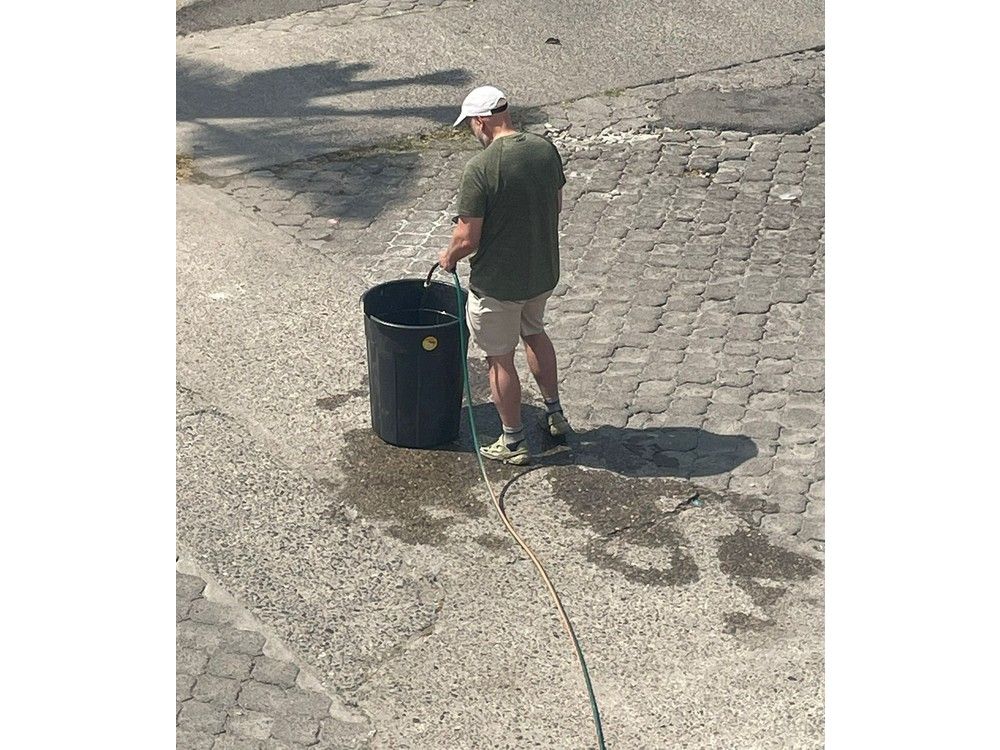
My brothers, both in their late 50s, jumped outside to help. Mike filled a large garbage pail full of water from the hose in the villa’s courtyard, and he and a Mexican neighbour hauled it to nearby burning vehicle to douse the blaze.
“One car fire out, two to go,” Mike wrote.
His newlywed daughter, at a different location, implored him to go back to the villa.
“You should stay inside dad! there are people with guns wandering town,” she posted.
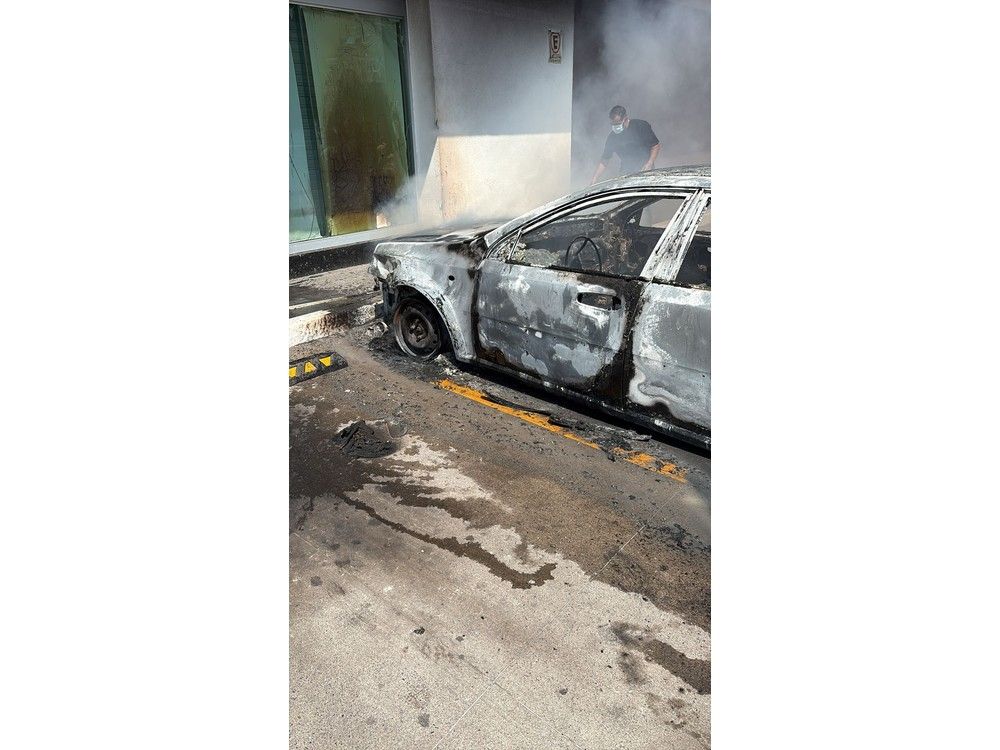
In response, Mike posted a picture of a car, completely destroyed by a fire that he had just put out.
“Dad just let the cars burn and go inside,” she pleaded. “They aren’t burning cars with people in them. Cartel is out in the streets with guns its not safe go inside.”
My brother replied that they had put out five car fires and there was a lot less smoke now.
“I don’t think you understand how serious this is,” scolded my niece’s husband, before my sister-in-law Tara de Ryk, a retired newspaper publisher from Saskatchewan who was staying with them at the villa, put in a message of her own: “Mike and Phil won’t listen to us.”
My niece’s husband continued: “They just killed the leader of the most powerful cartel in the country.”
“This isn’t like putting out your neighbors fire in Canada. They will kill you for the change in your pocket. There are kids with guns robbing and shooting people.”
My brother’s response made me laugh, but it infuriated my wife Stéphanie. She felt the same way as my sister-in-law that they were being “dumb asses” who would ruin their lungs, or worse, get killed.
“Fires are out now I think,” Mike wrote. “Met the landlady. She offered me a lower rent to stay.”
Realizing that none of the scolding from their wives or children were having any effect, and perhaps to counter my cheerleading, my niece’s husband sent a voice message to the group chat to warn how unsafe they were being.
“There are young cartel members out there who are behaving erratically,” he said. “They can escalate the violence, for sure. They could and will. Especially if they see you trying to put out fires. They’re putting those fires on specifically in order to cause blockades so the military can’t get through and they can control areas.
“So go inside and stay safe. There’s a time and place. You’re not helping by doing that. It’s a terrible idea and very dangerous.”
To underline his point, he wrote one minute later: “I’m not going to forward videos but I just saw some of the dead military on the streets.”
Chastened, Mike said they were back safely inside. Phil’s older daughter and son had flown back to Canada before the mayhem broke out, but his wife and youngest son were still with them at the villa, which we had nicknamed the compound. They were supposed to leave Sunday afternoon. Now all the flights from the airport were cancelled as the government advised people to shelter in place.
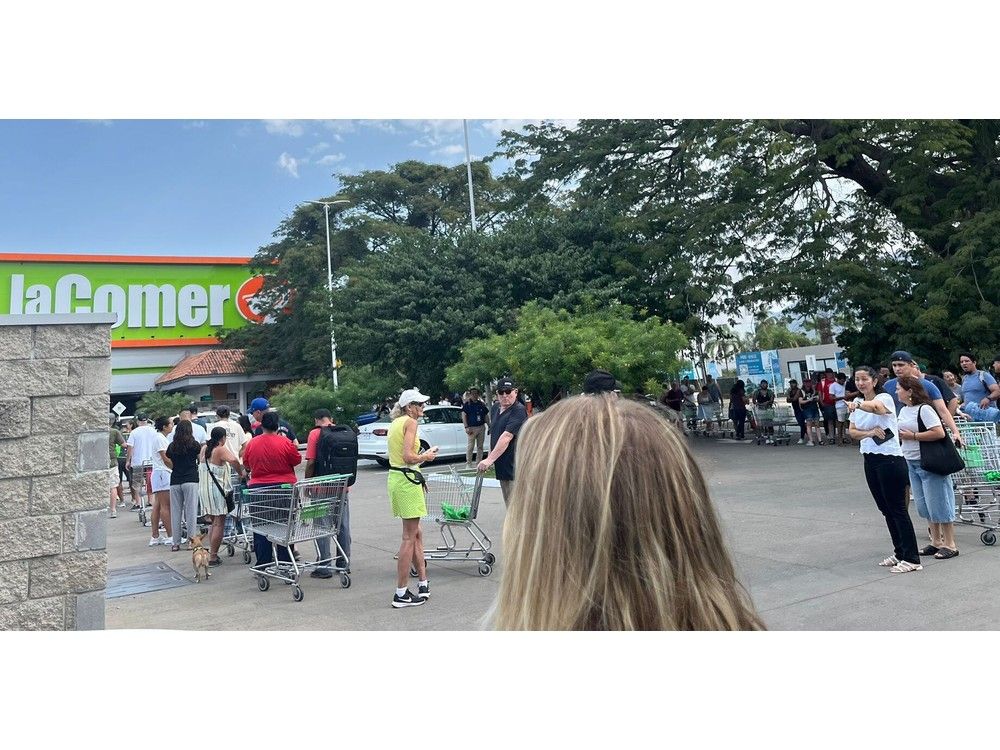
They took careful stock of the waning amount of coffee and food left. Not a lot, but enough to get by a day or two.
By Monday, the Canadian government was advising travellers to exercise a high degree of caution and avoid travel to Mexico amid the unrest. At a press conference the same day, Security Minister Omar García Harfuch said 25 members of the National Guard and one security guard had died, while 30 cartel operatives had also been killed during Sunday’s widespread violence, as well as one bystander. At least 70 people were arrested in seven states, he said.
I couldn’t have imagined all this just 24 hours before. At age 55, it was my first trip to Mexico and I loved the place.
Sure, we joked a lot about cartels in Mexico, including whether some of the soccer buddies of my niece’s husband could be the bad guys, but we didn’t think about it while we watched his match at a small, caged pitch with a vendor selling esquites, or corn in a cup, underneath the stands and a bartender slinging quart-sized bottles of cerveza at the clubhouse just behind us.
The only hint of something sinister was halfway through our trip, when I was with my wife and younger son, looking for a place to eat in the city’s famed Romantica zone, part of the old town that’s known for its cobblestoned streets, vibrant nightlife and art galleries.
We settled in a small family restaurant with a few tables and a simple menu. As we were waiting for our order of food I could hardly pronounce, a short, stocky man whirled from the counter and strode by us. His face was scarred and he gave me a dirty look. In his meaty hand was a thick roll of pesos he had taken from the restaurant owner.
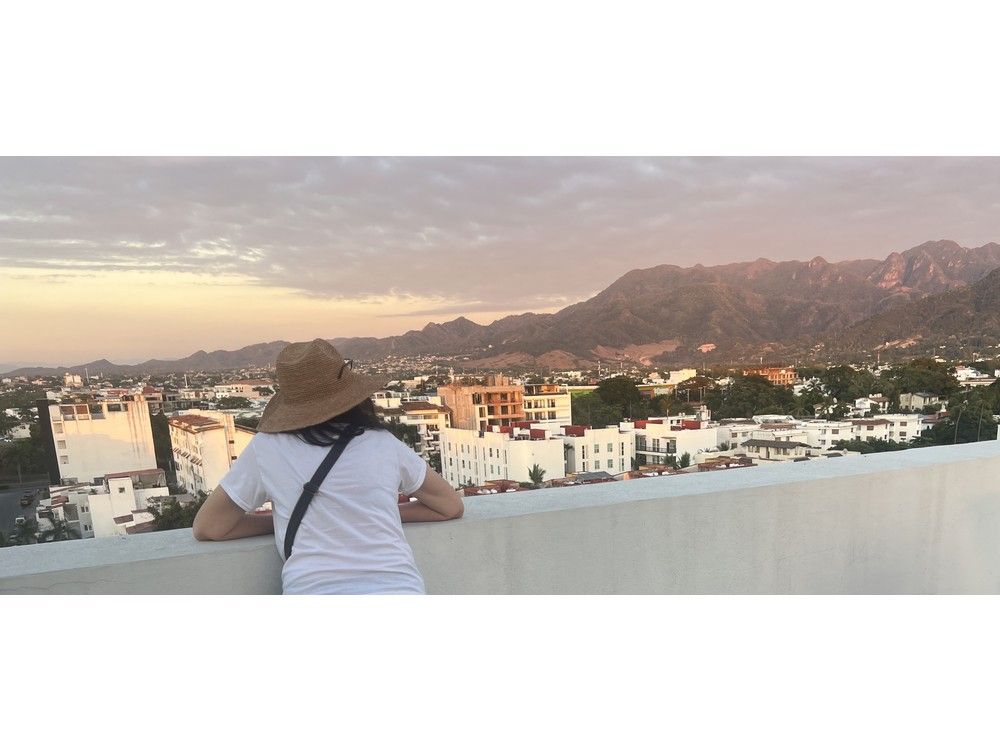
One of the things I liked best about Mexico was how easy and breezy it seemed. When we arrived at the bustling airport, passing through customs was relatively quick, notwithstanding a whiff of backed up sewage permeating the building. I had carefully filled out our customs declaration cards on the plane, but when I handed it to an official in a camouflage uniform and army boots at the airport lineup, he didn’t even look and just tossed it on top of a pile.
On Sunday evening, Mexican President Claudia Sheinbaum issued a short statement about the violence.
“In most parts of the country, activities are proceeding normally,” she said, trying to reassure the public and tourists.
I wondered to myself: what is normal in this country, seen and unseen?