 BURST
BURST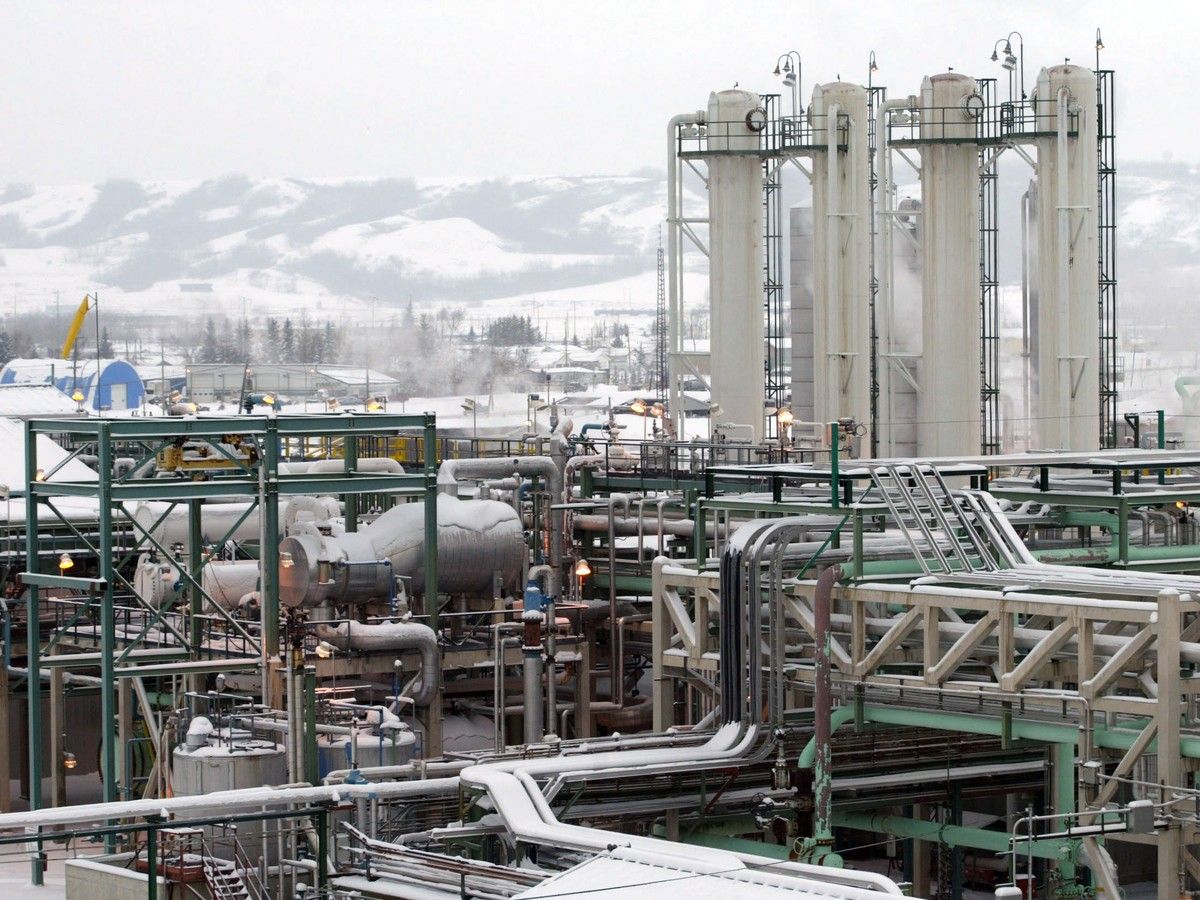
B.C. Hydro says it needs to keep two natural-gas-powered generating stations operational to meet a looming electricity shortfall, pushing back provincial goals to phase out fossil-fuel generation by the end of the decade.
Hydro, in a filing to the B.C. Utilities Commission, said it needs to extend operations of the Island Generation natural gas-fired plant in Campbell River and the McMahon gas plant near Fort St. John to fill most of a 500-megawatt generating shortfall the utility anticipates by 2030.
“This has resulted in a need for capacity in the early years of the planning horizon, prior to new clean and renewable capacity resources coming into service,” Chris Sandve, Hydro’s chief regulatory officer, wrote in the filing.
Extending operations of the 275-megawatt Island Generation gas plant and the 120-megawatt McMahon plant, Sandve added, would fill 400 megawatts of that shortfall to meet peak demand.
In the filing, Sandve said the utility is in “confidential negotiations” to continue buying electricity from Island Generation, which in the past has been used sparingly during peak periods, and McMahon, which delivers base load electricity for the oil-and-gas sector.
B.C. Hydro has ambitious plans to increase new renewable sources of electricity on the grid. It’s 2025 call for power alone would add 1,158 megawatts of capacity to generate 3,500 gigawatt hours of electricity a year by 2034.
However, in its filing, Hydro noted that growth in electricity demand across North America is increasing rapidly after years of stagnant growth, largely due to the power-hungry data centres needed for artificial intelligence, and in the short-term, the risk to B.C.’s economy of hitting a power deficit is greater than that of building surplus generation.
Hydro cited the need for electricity to power new mining activity in B.C. by 2030 would be worth $4 billion of economic activity, equivalent to 1.1 per cent of provincial GDP.
Extending Island Generation and McMahon, however, represents a policy shift from the province’s objective of eliminating the use of fossil fuels in generating electricity, which is a concern to climate advocates, who worry about locking in new sources of fossil-fuel generation.
To Hydro’s critics it’s “a belated recognition of economic and energy reality,” according to Barry Penner, chair of the think-tank Energy Futures Institute. “I hate to say I told you so, but I’ve been pointing out the risks associated with eliminating what’s left of our natural gas generation in B.C. since 2023.”
Penner, as environment minister under former premier Gordon Campbell, was part of the government that aimed to make B.C. Hydro self-sufficient using renewable, privately owned power sources, a policy that was controversial at the time.
In 2026, however, utilities are reaching limits to how much they can accommodate renewable, but intermittent, sources of electricity without adding baseload power to balance the grid, Penner said.
Typically, B.C. Hydro has backed intermittent renewables, but has needed gas-fired power during peak periods in winter, and Penner argued that B.C. has been “throttling back” economic growth already by restricting access to power.
Penner talked to Postmedia while attending an energy conference in Sunriver, Ore., where he said rising electricity demand was a key topic of conversation.
“It’s unrealistic to think you can have (only) intermittent sources,” Penner said.
No one from B.C. Hydro was available for an interview, but in an unattributed statement sent in response to Postmedia questions, Energy and Climate Solutions Ministry staff said the approach “does not signal any shift away” from the utility’s commitment to renewable power.
“While we are evaluating a range of capacity options, no new gas-fired generation is being advanced,” the statement said.
Penner said turning to natural gas to backup Hydro doesn’t mean abandoning goals to reduce greenhouse gas emissions, but “you have to put a bit of water in your wine,” by allowing consumers to use natural gas, such as through the use of electric heat pumps with gas-backup capacity.
B.C. Hydro’s move does represent a shift in policy, said Evan Pivnick, a program manager with the Simon Fraser University-based climate think-tank Clean Energy Canada. However, it doesn’t “wipe out” the government goal of switching to renewables, depending on how the gas-fired power is used.
“Allowing existing peak natural gas resources to continue to provide that last-resort backup may be a prudent step,” Pivnick said. “But we need to avoid a slippery slope towards natural gas before we’ve properly examined options.”
Pivnick said B.C. has been slow to consider massive battery storage as a means to backup solar and wind power, which all need to be factored into B.C.’s rising electricity demand, before turning to natural gas for anything besides peak backup.
“Expanding (natural gas power) introduces the global price for natural gas into our electricity system in a more prominent way,” Pivnick said. “If we start to export a larger share of natural gas through LNG, (this) will have impacts on the price of natural gas, which will be translated into bills for consumers.”
Pivnick added that “on the flip side” B.C. wouldn’t be saddled with world market prices for wind, solar or hydroelectric power generated domestically.