 BURST
BURST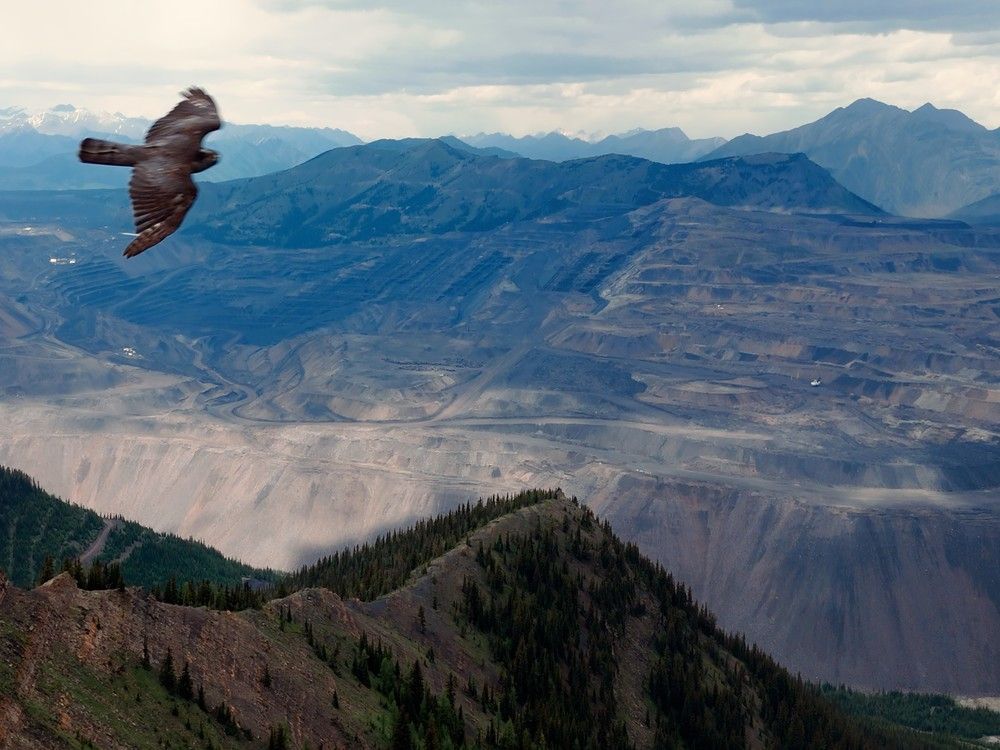
A U.S. court has upheld Montana’s selenium standard for pollution in a border-crossing lake despite objections from a coal mine in southeastern B.C.
The Montana District Court ruled last week that the selenium standard of 0.8 micrograms per litre adopted by the Montana Department of Environmental Quality can stand, a win for environmentalists in a decade-long dispute over transboundary mining pollution. It’s also a blow for a B.C. coal mining company seeking to expand operations at a time when both the federal and B.C. governments are speeding up new resource development projects.
Selenium is a chemical that humans can generally tolerate but is toxic to fish. At high levels it can either kill eggs or cause deformities in juvenile fish. It has been accumulating in the watershed for decades as a result of coal mining by former coal mine owner Teck Resources.
Glencore-owned Elk Valley Resources, which took over from Teck and now operates four steelmaking coal mines in the area, argues that fish would still be adequately protected if the selenium levels were 1½ micrograms per litre.
In an emailed statement in response to the suit, Elk Valley Resources said the company is in favour of having legal, scientifically based standards in place to protect water quality and aquatic life in the Koocanusa Reservoir.
EVR says 1½ micrograms of selenium per litre is the national water column standard set by the U.S. Environmental Protection Agency for lentic water systems, such as lakes and reservoirs.
“EVR operates under strict regulations set by the province of B.C. and Canada,” the company said.
B.C.’s Environment Ministry didn’t respond to a request for comment by deadline.
Environmental groups called the Montana court’s decision a win for the ecosystem and for water management.
“We are pleased to see the ruling upheld, Montana’s science-based water quality standard puts B.C.’s to shame and it is great to see it continuing to hold strong,” said Simon Wiebe, mining policy and impacts lead at environmental group Wildsight.
B.C.’s aquatic health safety guideline for selenium is two micrograms per litre, but, unlike Montana, this isn’t a legally enforceable standard, just a warning guideline.
In B.C., water quality has to be enforced on industrial polluters by permits, and the selenium levels in EVR’s permits range anywhere from 58 micrograms per litre in the Fording River and 57 micrograms in Harmer Creek to two micrograms in the cross-border Lake Koocanusa.
EVR, meantime, is seeking the green light to expand operations. The company has renewed a proposal to extend Fording River for another 35 years. The company is also proposing to expand operations by mining in a new area just south of the existing mine, about 15 kilometres northeast of Elkford.
The court ruling, however, is unrelated to the company’s expansion project, which is undergoing a co-ordinated provincial and federal assessment process under the B.C. Environmental Assessment Act and the Canadian Impact Assessment Act.
Wiebe said that while the court ruling doesn’t affect the expansion proposal, it forces the company and the province to work harder to justify how they plan to expand mining in this already heavily impacted watershed.
“EVR’s mines continue to break Montana’s watersheds on a monthly basis, and knocking down another mountain for its coal will only exacerbate this. EVR and the province need to reconcile these continued water quality violations with their aggressive expansion plans,” said Wiebe.
In November, the federal government said more work was needed to address cross-border water pollution risks to fish and fish habitat, migratory birds and the Indigenous Peoples.
Critics of the proposal say waste rock from the mines is the primary source of the selenium pollution that’s threatening aquatic ecosystems in the Elk Valley and all along the Kootenay River.
In 2021, former owner Teck was fined $60 million — the largest fine levied under the Fisheries Act — over these pollution concerns. In 2023 it was fined again for $16 million.
Since taking over, Elk Valley Resources says it has been in talks with local First Nations to reduce the project’s environmental footprint, including reducing disturbances to habitat and bringing in new water-quality measures.
The company says it has implemented the Elk Valley water quality plan, a long-term program to reduce selenium and improve the health of the watershed, while allowing for continued mining.