 BURST
BURST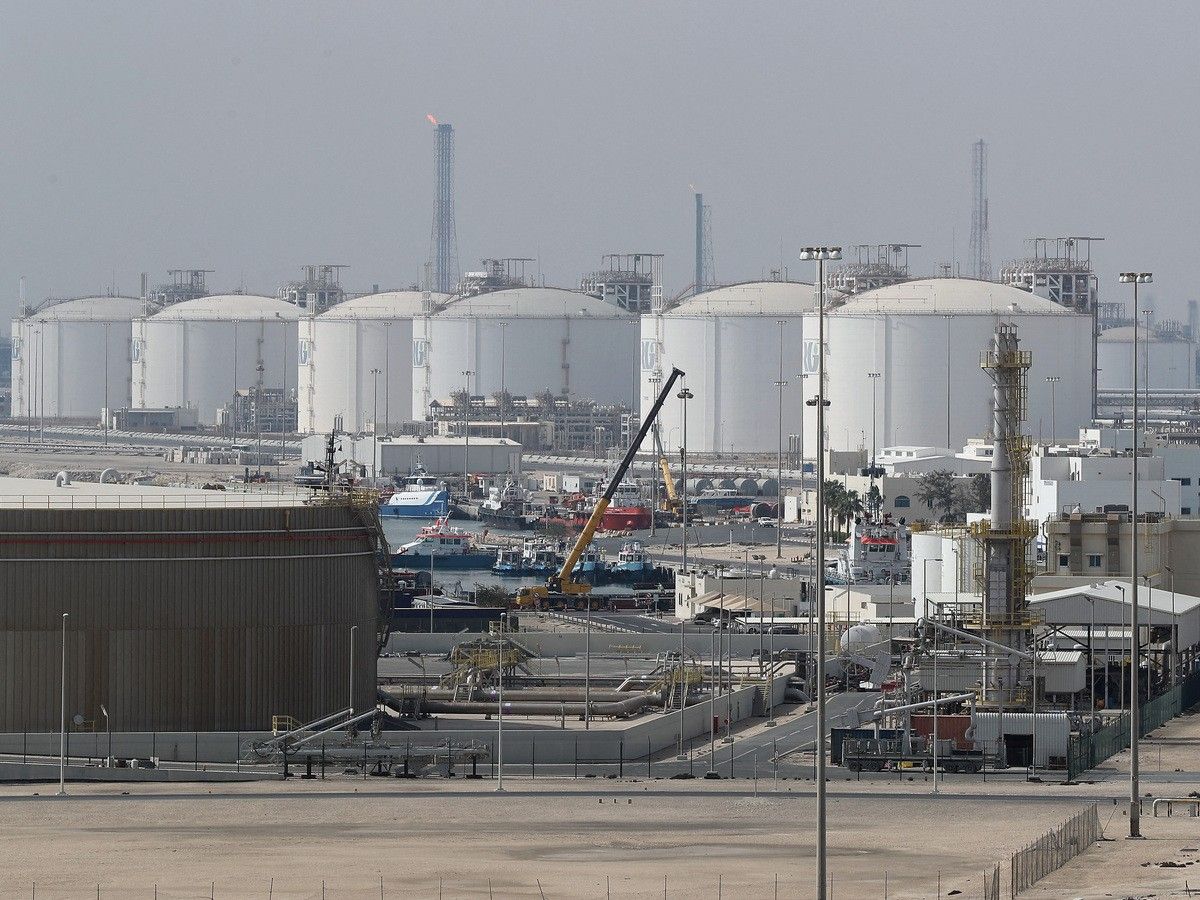
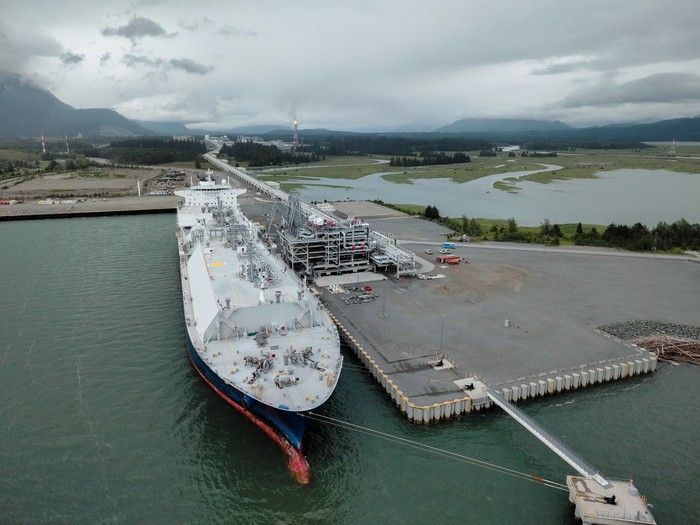
The war in the Middle East that has knocked out liquefied natural gas facilities in Qatar has likely accelerated decision-making for LNG Canada’s Phase 2 expansion at Kitimat, analysts believe, even if the company remains quiet on the subject.
Speculation about a final decision on the project was sparked Wednesday when LNG Canada and the operator of its Coastal GasLink pipeline, TC Energy Corp., unveiled an agreement to work on doubling the pipeline’s capacity.
LNG Canada said this week that the agreement allows for continuing “front-end development work” as the company, along with its five joint-venture partners, “continues to explore pathways to a potential LNG Canada Phase 2 expansion.”
Expansion would involve building additional compressor stations along the 670-kilometre pipeline from B.C.’s northeast to LNG Canada’s liquefaction plant at Kitimat, which would increase the pipeline’s capacity to five billion cubic feet of gas a day.
But the war in the Middle East has rewritten market expectations about the expansion of supply in the Persian Gulf and suddenly put LNG Canada’s Phase 2 in the spotlight, according to analyst Alex Munton with Houston-based consultants Rapidan Energy Group.
“It might just be coincidence. (LNG Canada and TC Energy) were talking and they wanted to get something signed,” Munton said. “It just happens that it’s occurring in the middle of the biggest energy crisis in modern history.”
The conflict “and everything that’s happened during the past two weeks, certainly puts LNG Canada’s Phase 2 … it pushes it to the front of the queue,” Munton said.
Iranian strikes on QatarEnergy’s facilities knocked out two of its LNG production lines, which the industry refers to as trains, and some 12.8 million tonnes a year of output for up to five years.
In addition to that loss of production, Munton added that the conflict also makes a massive, multi-billion-dollar expansion project underway in Qatar — which involves some of the same partners in LNG Canada’s joint venture — look a lot more uncertain.
Before the conflict, Munton said the global LNG market looked like it was heading toward a supply glut, which essentially put a final investment decision for LNG Canada Phase 2 on the back-burner.
Previously, backers were looking at a potential window for a decision that would bring new production online in the mid-2030s.
Now, however, LNG Canada is one of the few large, already engineered, designed and permitted projects ready to proceed, so Munton said he thinks that “will certainly accelerate discussions around Phase 2.”
The $40 billion LNG Canada development — between its liquefaction plant in Kitimat and the Coastal GasLink pipeline — is a consortium of five major energy firms, including global giant Shell and PetroChina, both of which are partners in QatarEnergy.
LNG Canada’s existing capacity is around 14 million tonnes of LNG a year, and Munton noted that its Phase 2 would add about the same amount of LNG production lost in Qatar.
In an unattributed written statement sent in response to Postmedia questions, LNG Canada said the recent war “hasn’t impacted LNG Canada’s early operations.”
However, it “does remind us about the important role that LNG Canada can play in delivering a stable and secure supply of responsibly produced LNG to help Canada’s trading partners achieve their energy needs.”
Munton said he is less certain about how the Middle East situation affects a final investment decision for Ksi Lisims LNG, the Nisga’a Nation-supported proposal for a 12 million tonnes a year plant northeast of Prince Rupert.
He added that Ksi Lisims would need to sign more commercial agreements before financiers would green-light its construction, but there are likely LNG buyers looking for potential supplies given global conditions as they are now.
“There is less capacity than there was before because of (the damage in Qatar),” Munton said. “So, from a supply standpoint, it has completely wiped out all the growth that was anticipated this year, which should have been growing.”