 BURST
BURST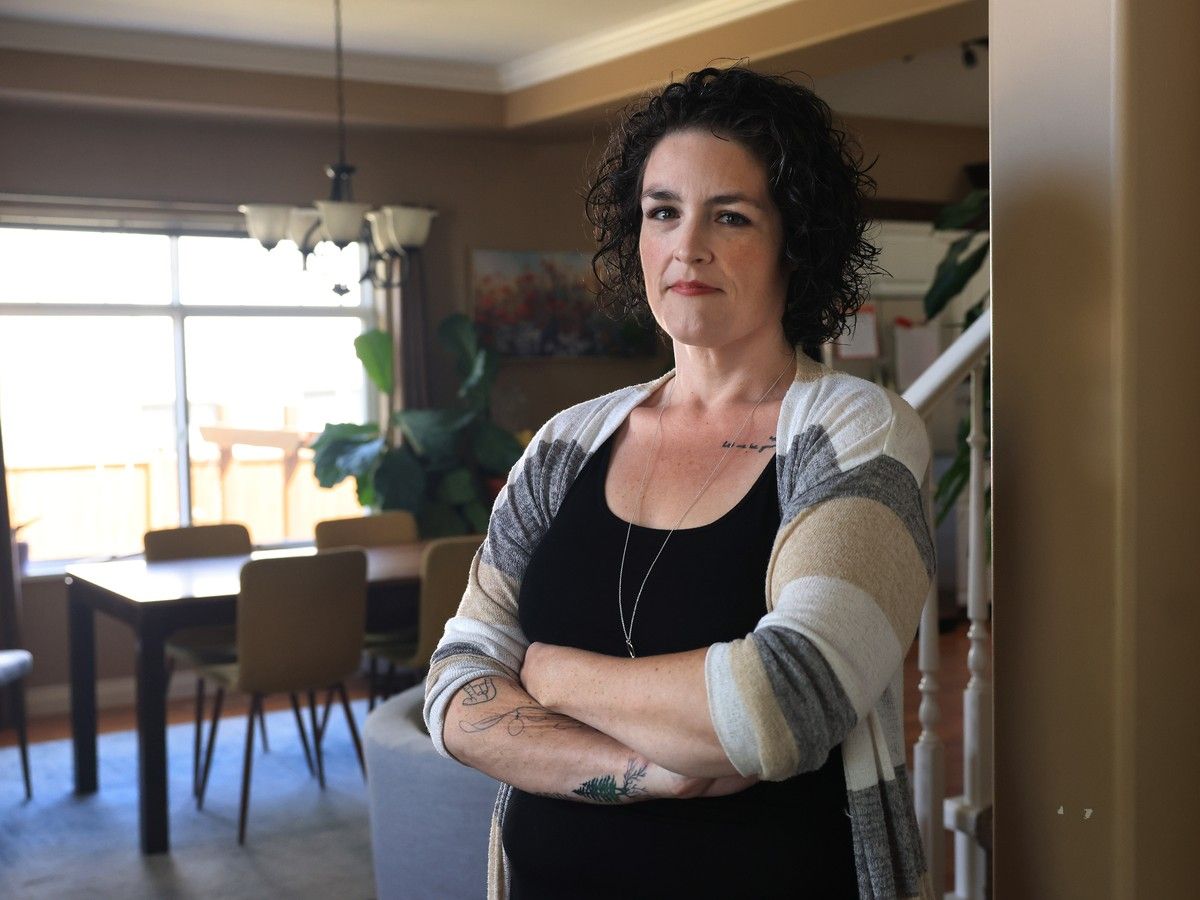
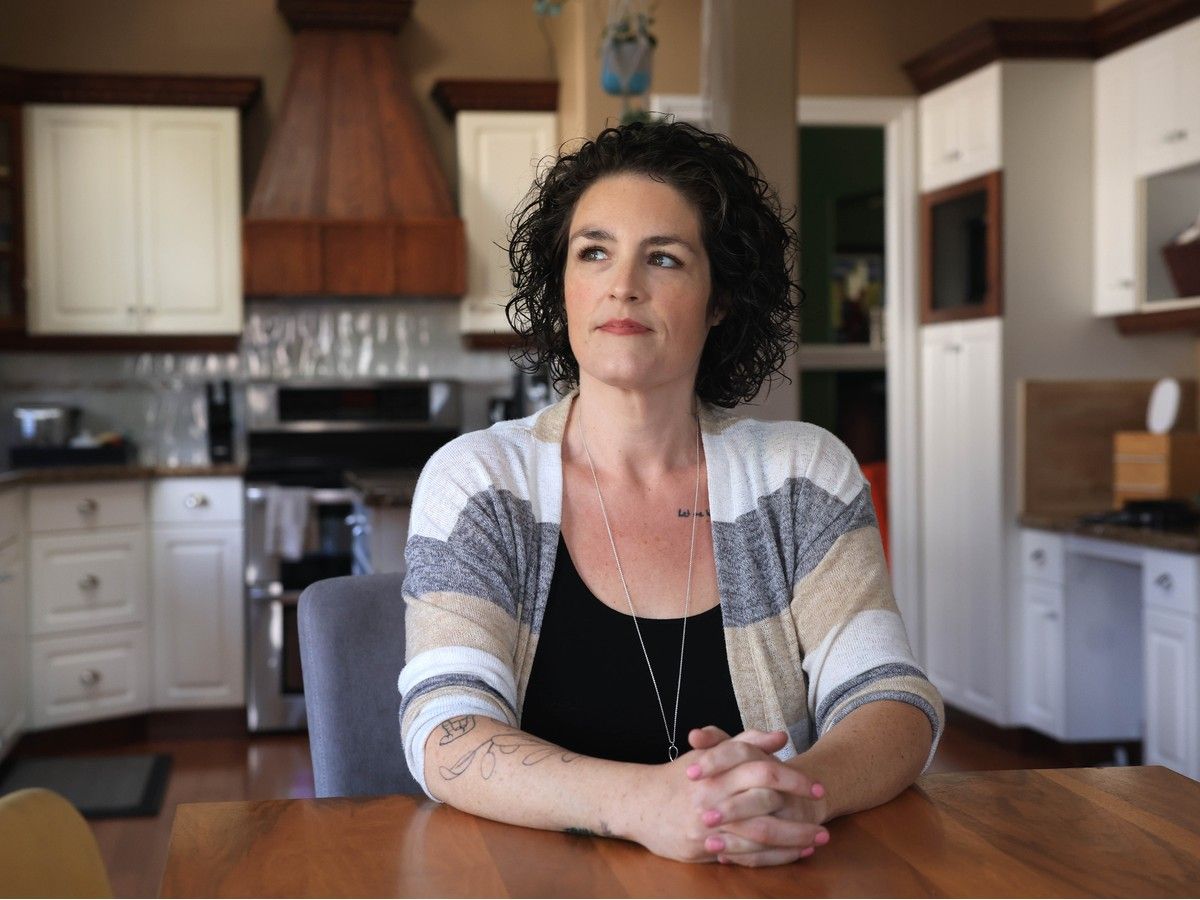
Katie Bartel has seen too much to let her three teen daughters navigate the digital world alone, but she admits it’s hard to keep up with how they use technology.
The Chilliwack mom sometimes checks her girls’ phones for harmful content and interactions, and she doesn’t allow them to have devices in their bedrooms at night. But an emphasis on open communication has helped the most. It allows her to address the slurs she’s seen in the public chat that appears inside the game Roblox, discuss body image issues related to YouTube, and intervene when a stranger started messaging her daughter.
“It sometimes feels overwhelming,” she said. “In keeping them socially connected, are we giving up some of their safety?”
As the federal government moves to restrict social media access for Canadian kids, Bartel welcomes some backup. But along with experts and educators, she said she doesn’t expect the changes to remove all risk.
Last week, Identity and Culture Minister Marc Miller introduced the two-part Safe Social Media Act (Bill C-34), which lays out new requirements for social media services and AI chatbots and includes a plan to block kids under 16 from social media platforms, with potential exemptions if companies can prove they have “adequate safeguards” in place. It’s unclear what those safeguards might look like, and what changes companies must make to satisfy them, but Miller outlined seven types of harmful content that government wants to see addressed, including content that sexually victimizes a child or re-victimizes a survivor, content that encourages a child to harm themselves, content that is designed to promote hatred or explicitly encourages violent acts, terrorism or violent extremism, as well as cyberbullying and intimate images shared without consent.
A digital safety commission is expected to be up and running about 18 months after the legislation becomes law.
Miller used the phrase “safe by design” several times, noted Alan Mackworth, professor emeritus in the computer science department at the University of B.C. That represents a key shift from the way Canada has dealt with the risks associated with digital technology — from a problem that parents must address to putting more responsibility on companies to make their platforms safer.
“It’s a very vital step, but it’s also very late,” said Mackworth.
Canada isn’t alone in seeking ways to protect kids online. Australia has had a social media ban for kids under 16 since December, while the U.K. announced plans for a similar ban on Monday. About 20 other countries are either considering or have passed social media age restrictions, while six have implemented them, according to Tech Policy Press, a non-profit media outlet that has been tracking restrictions.
“Different countries have different views toward regulation,” said Mackworth. “They must contend with the lobbying power of big tech, which has been a significant block in the U.S. and Canada for quite some time. But the groundswell is there, the public support is there, and I think that’s why you’re seeing the government moving in this direction.”
The B.C. government has been calling for federal legislation since the mass shooting in Tumbler Ridge in February, where the shooter’s ChatGPT account was flagged and banned by OpenAI but not reported to police.
“We need to stop social media platforms and AI chatbots from experimenting, in an unregulated fashion, on the minds of Canadians — especially our youth,” B.C. Attorney General Niki Sharma wrote in a letter to federal ministers last month. “As online tools evolve, so does our responsibility to keep people safe.”
After the federal announcement, Sharma said the Safe Social Media Act was a “promising step,” but she was disappointed that it failed to establish a national reporting threshold.
“I remained concerned about the timelines for implementation,” she said in a statement, “and it does fall short of our government’s ask for a clear national reporting threshold for platforms, particularly when it comes to identifying and reporting credible threats of violence or plans for harm.
“We cannot afford to get this wrong or waste any more time. B.C. has already been the site of too many tragedies involving young children … Parents have turned their grief into advocacy and have been calling for urgent action so they can help make sure no one else has to suffer what they have.”

Mackworth said there are other limits to the federal bill, so parents will need to remain vigilant. He would have liked to see a legal “duty to report” harmful content and more done to address the issue of safety for all users, not just children.
He said age restrictions could come with “tricky technical issues” around how to verify a user’s age, or conflict with privacy if users have to give social media companies personal information. There are also some gaps, including around smaller platforms, gaming and private messaging.
White Rock mother Courtenay So said she isn’t sure the government will be able to effectively enforce age restrictions, although she’s already warned her two boys, ages six and nine, that if Roblox is part of the ban they will have to give it up.
She is also aware that such technology can cause more subtle harms than those listed in the government’s bill, and she plans to continue to make her boys aware of the risks associated with mindless scrolling.
“We talk regularly about short videos that trash your brain and make you stupid,” she said.
So said she’s also wary of influencers who promote toxic masculinity, as well as AI-generated fakes and misinformation.
“I want to do whatever I can to raise well-rounded children who have critical-thinking skills and won’t fall into those streams,” she said. “We definitely need government to step up, but I think it would be delusional to think that this alone will solve all the problems.”
Lloyd Richardson, director of technology with the Canadian Centre for Child Protection, said that while some of the specifics of the legislation are not yet known, it’s important for the government to start somewhere.
“This doesn’t solve every problem, but it is a step we need to take,” he said.

Jacques Marcoux, the centre’s director of research and analytics, said it can be helpful to put online harms in three categories.
Kids can be hurt by exposure to content, such as violent videos or posts that promote disordered eating, or by a platform’s addictive features, which can reduce attention span or “rewire” the brain in response to instant gratification, he said.
They can also be harmed by other online users, including through sextortion, luring, blackmail and scams. When Marcoux gives presentations to students about sextortion, a form of online blackmail where someone threatens to distribute intimate images unless the victim pays them or complies with demands for more explicit content, it’s not unusual for half the audience to raise their hand when he asks if someone they know has ever been a target.
The centre received 30,000 reports related to the online sexual exploitation of children last year through its national tip line, Cybertip.ca .
“If we saw these numbers in other areas, we would have acted long ago,” he said. “But we’ve let this fester in this online space.”
Image-based harms make up a third category, which is when online contact with an abuser leads to content being spread online, as in the case of deep fakes, revenge porn or images of abuse.
“Adding AI to this pours fuel on the problem,” he said.
Marcoux said understanding the ways kids can be harmed online can help define the solutions needed to keep kids safe — for government and parents.
“We shouldn’t view any one measure as a silver bullet,” he said. “We need to start to think broadly and attack this issue from many angles.”
Ron Darvin, a professor of language and literacy education at UBC, said Canada’s bill differs from Australia’s ban in a key way that could make it more effective.
“I would call it a conditional restriction, rather than a ban,” he said of how the federal government decided to approach the issue of age.
Of the reports that about 70 per cent of teens in Australia are bypassing age restrictions, Darvin said Canada seems to be focused on putting the onus on social media companies to build safer platforms by exempting them from the ban if they prove they have safeguards in place.
“It’s the idea that online harm should be treated as a governance problem, not a problem of self-control or parenting,” he said.
Amori Mikami, a psychology professor at UBC, said she’s cautious about bans because they are difficult to enforce because teens will likely find a way around them. They can also create a “forbidden fruit,” where a platform becomes more enticing because it is restricted.
“I still think there are healthy and affirming ways to use social media, but as time goes on, we have gotten away from that,” she said. “But unless you force platforms to change their entire algorithm, I’m not sure how much will change.”
Mikami compared the debate over how much control government should exert over social media to the debate over government regulation of junk food or sugary breakfast cereal.
Kara Brisson-Boivin, director of research at MediaSmarts, a non-profit that promotes digital literacy, said she would have liked to see the federal government announce a parallel strategy focused on digital literacy.
“No matter what age we decide is safe, what good is it if when they are allowed to be on social media, it’s still the same environment?” she said.
Brisson-Boivin equated the discussion over online safety to road safety, pointing out that government, vehicle manufacturers and enforcement all play a role in reducing injuries and deaths. Digital education is like the requirement for a driver’s licence, she said.
“We take an empowering perspective,” she said. “We want users to feel like they can safely and confidently engage online.”
In conversations on playgrounds and during playdates, West Vancouver mom Jenny Perez is trying to reduce online harm by asking parents to sign a pledge to restrict their kids from smartphones until they are 14, and from social media until 16.
She said she’s grateful to see the federal government beginning to play its part, too.

“I think the age minimum needed to be part of the bill,” said Perez, founder of Unplugged Canada. “It was essential to help support our parenting and to set a new norm.”
She said it may be difficult for teens who already have access to platforms to give them up, and she expects to see the bill make a significant difference for younger children who are not yet active online. More than 11,000 parents across Canada have signed Unplugged Canada’s smartphone pledge.
“Three years ago, the conversations were harder,” said Perez. “There’s still some pushback, but I think people are beginning to understand. We’re coming to our senses.”