 BURST
BURST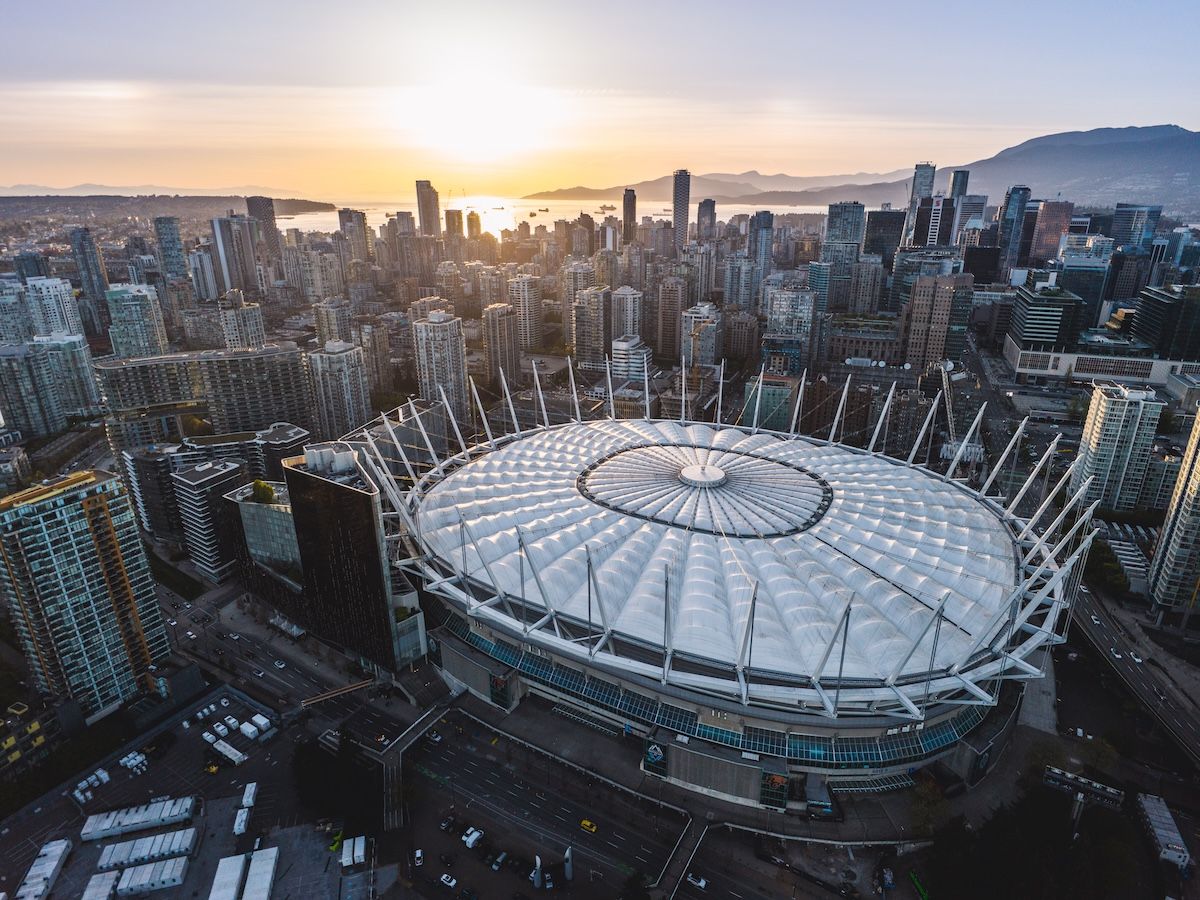
FIFA has banned World Cup fans from bringing reusable water bottles into matches, a decision that flies in the face of efforts to reduce plastic water bottle use for health and environmental reasons.
It’s also raising concerns about hot weather and serious health issues like dehydration and heat stroke.
Toronto health officials have complained to FIFA and are pushing for a reversal of the ban while the owners of B.C. Place are scrambling to offer solutions for fans who don’t want to line up to buy water.
The B.C. Pavilion Corp. said in an emailed statement Friday that it has discussed its concerns with FIFA regarding the revised water bottle policy and will work with its beverage supplier to furnish paper cups at the water fountains in the stadium.
“While FIFA sets the pricing for food and beverage, we have worked with them to ensure that water bottles are priced at the same value as standard B.C. Place events at $5.75 per bottle,” PavCo said.
Asked whether Vancouver would voice similar concerns as Toronto, a spokesperson for the city said officials had no comment.
The last-minute change to FIFA’s Stadium Code of Conduct comes a week before Vancouver’s first match on June 13 at the stadium. FIFA says it made the decision because of safety concerns, arguing personal bottles could be used to throw at fans or players.
However, critics are concerned about the risk of dehydration for those who don’t want to buy plastic, and the environmental impact.
“This move belies Vancouver’s international reputation as one of the greenest cities in the world,” said Melissa Lem, a B.C. family doctor and past-president of the Canadian Association of Physicians for the Environment.
She said thousands of chemicals used in plastics are linked to reproductive disorders, cancers and hormone disruption, and microplastics are routinely found in human blood, lungs, breast milk and placenta.
“We need fewer plastics in our environment, not more. Reversing the ban on reusable water bottles at FIFA would not only be better for our environment, but it would also be better for our health,” added Lem, who is also an assistant professor at the University of B.C.’s Faculty of Medicine.
The decision is a reversal of FIFA’s earlier policy that allowed ticket-holders to bring empty transparent bottles inside stadiums, according to a Reuters report. The new ban on all personal refillable containers applies to all 16 Cup grounds in Canada, the U.S. and Mexico.
FIFA hasn’t yet returned a request for information but said in a statement provided to multiple media outlets that it made the decision to prohibit bottles to prevent risk and injury to players and attendees.
“Outside bottles are already prohibited at several of these venues for safety considerations and FIFA is applying this consideration across its tournament stadiums,” the statement said.
Fans could be hanging out in the heat in the Last Mile fan zone hours before the game starts, which could lead to dehydration if they don’t bring their own water. The Last Mile is a well-signed path that will extend from the Main Street SkyTrain Station to B.C. Place. It has been designated as the primary entry point to the stadium on game days.
The decision could still be reversed. Sharon Bollenbach, executive director of the World Cup 2026 Toronto Secretariat, told reporters at a news conference Friday that city officials have had a conversation with FIFA and they’re waiting on a final decision. Bollenbach said she thinks FIFA will be taking a second look at this issue, but that she will leave that for the organization to comment on.
There’s also the issue of garbage. Metro Vancouver is spending $600,000 this year on campaigns to get residents to reach zero-waste goals — including reminding folks to carry their own water bottles — so forcing thousands of fans to buy plastic water bottles to stay hydrated undermines those efforts.
Environment and Climate Change Canada posted its summer outlook Friday, saying a hotter-than-normal summer is expected across most of the country, fuelled by climate change and a strong El Niño effect.