 BURST
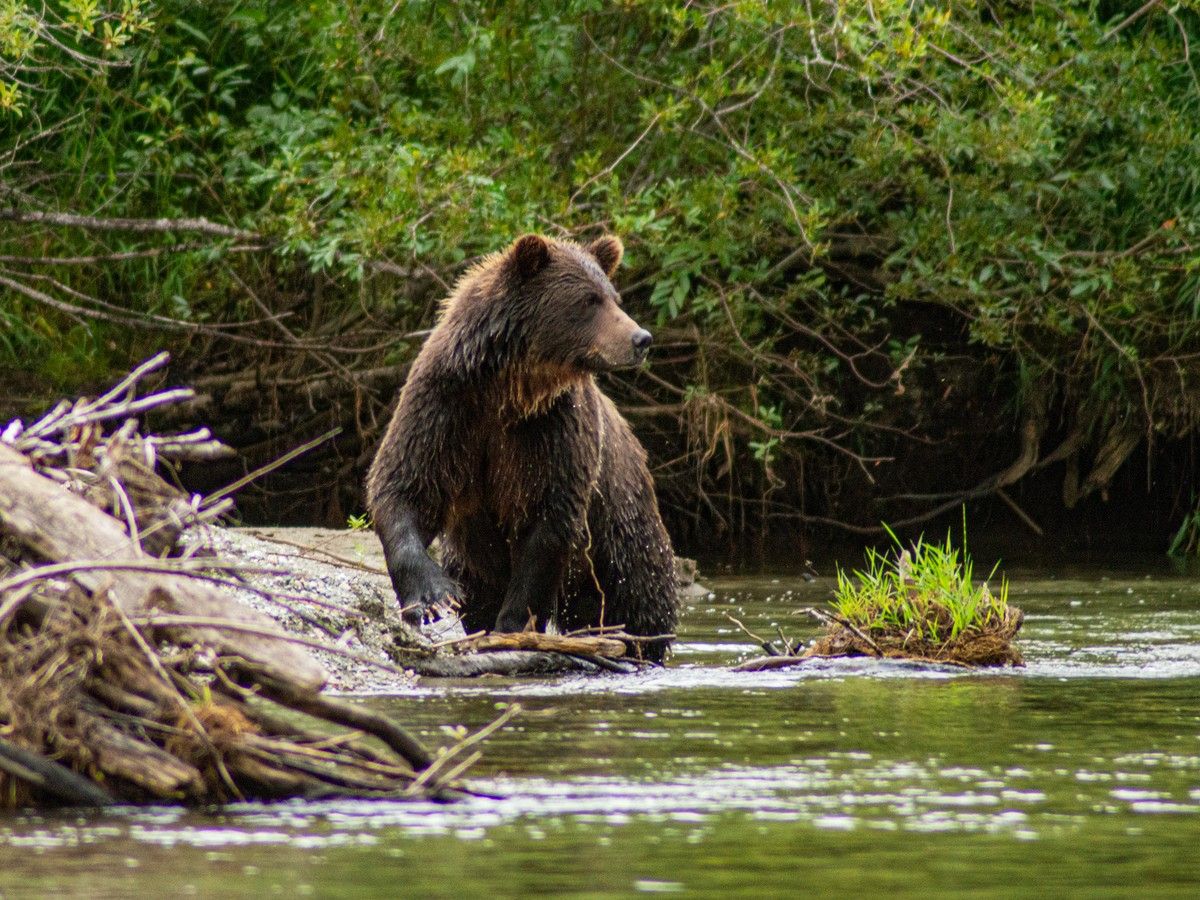
As daily life resumes in the shadow of a deadly grizzly bear attack on a mother and daughter in Bella Coola, calls to reopen B.C.’s grizzly bear hunt are growing louder.
The B.C. Wildlife Federation, which represents thousands of hunters across B.C., has been against the provincewide hunting ban since it was implemented in 2017, while a collection of other voices, many from rural communities where people and bears coexist, believe it may be time to allow limited hunting to keep people safe.
Others remain strongly opposed. Samuel Schooner, elected chief of the Nuxalk Nation, whose traditional territory encompasses the Bella Coola Valley, said his community doesn’t want to engage in discussions about reopening the hunt.
“Nuxalk have lived with bears for thousands of years, and we consider them to be our kin,” he said in a statement. “Our nation, along with our fellow members of Coastal First Nations, took steps to ensure grizzly bears were protected from trophy hunting over a decade ago. This position has not changed.”
Schooner said his community understands firsthand the trauma that comes with the recent attack as it brings up memories of a grizzly attack that injured three children and a teacher with the Acwsalcta School last November.
“We are the best stewards of our lands, and together we will chart a path forward that keeps our community members safe and honours the rightful jurisdiction we hold over our traditional territory,” he said.
There is a belief among some residents that grizzly bear numbers in Bella Coola and elsewhere in the province are rising, but it’s difficult to find data to support that. The latest provincial estimate is from 2018, when there were about 15,000 bears across B.C.
While the number of grizzly attacks across the province spiked to eight last year, there were seven attacks in several previous years. Before this week’s fatal attack, there had been only two people killed by a grizzly bear in B.C. in the last two decades.
The number of calls regarding grizzly bears made to the province’s RAPP line has also fluctuated in recent years, from highs of 943 in 2019 and 965 in 2023, to lows of 610 in 2012 and 542 in 2025.
Speaking earlier this week, Lana Ciarniello, an independent researcher with Aklak Wildlife Consulting based in Campbell River, said more research is needed to determine where grizzly bear populations are rebounding and by how much. Factors like habitat loss, including from recent logging or increased urbanization, can concentrate bears into smaller areas and bring people and bears into closer contact, she said.
She hasn’t seen data to support the idea that hunting reduces conflict with wildlife, unless hunting reduces numbers so much that the population goes “into a tailspin.”
Others disagree, arguing that hunting does more than control populations by making animals more fearful of humans.
“There’s too many bears,” said Tom Sewid, a member of the Kwakwaka’wakw First Nation near Alert Bay who used to lead hunting trips. “How do we thin out the bears? How do we put the fear back in them? Reinstate the limited entry hunt for grizzly bears.”
Sewid said Indigenous hunters in Bella Coola, who are allowed to hunt grizzly bears for food, social and ceremonial purposes, should have been supported to hunt more bears after last year’s attack.
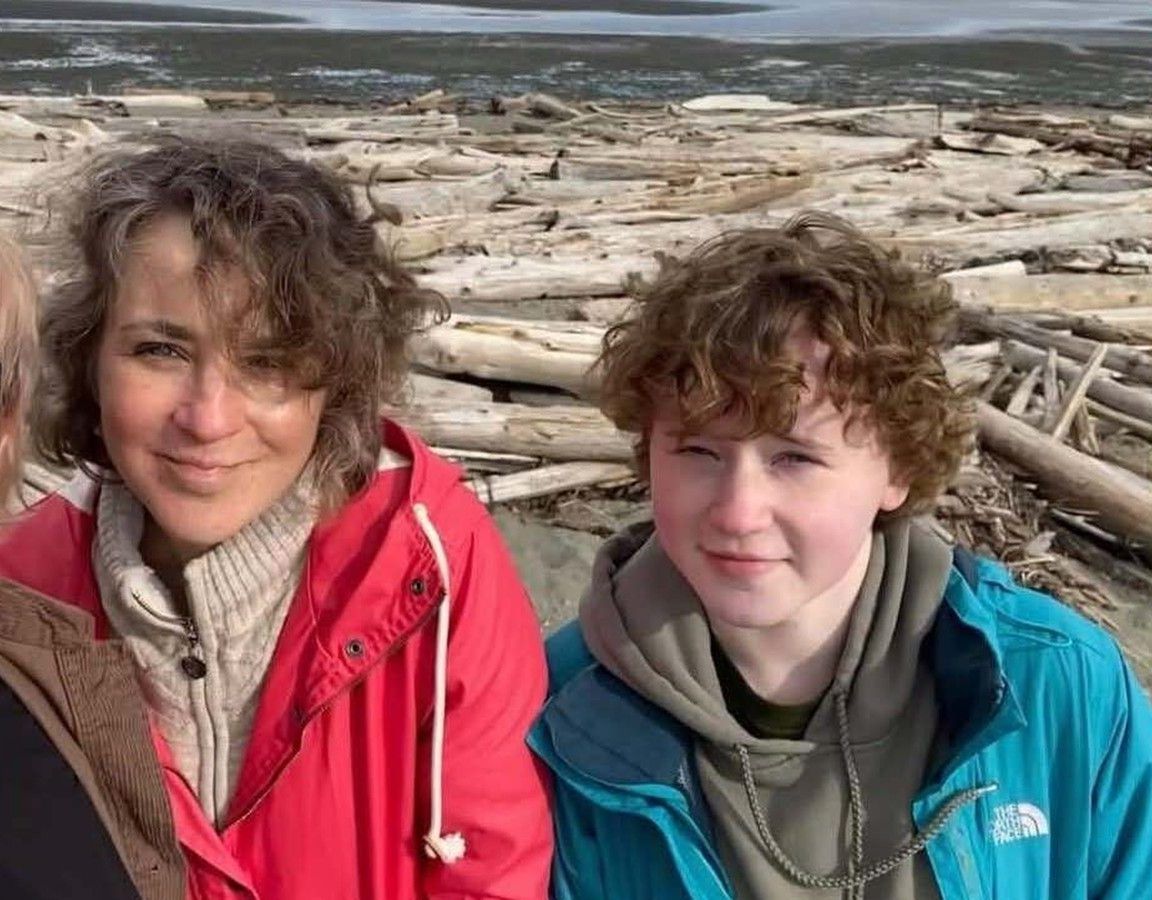
Meanwhile, conservation officers continue to try to trap any bears that may have been involved in the attack that killed Jennifer Balcarras, 48, and her 20-year-old daughter Selah Reed earlier this week. One bear was captured on Friday and testing continues to see if it was involved in the incident.
Dean Hildebrand, a forensic DNA expert and dean of the B.C. Institute of Technology’s school of computing and academic studies, said samples from the attack site would likely be collected and tested in a way that’s similar to a crime scene.
Bear hair, scat or saliva left behind after the attack would be tested, possibly at a lab in Alberta, to develop a DNA profile of the bear. But that’s only “half the battle,” he said. Officers would also need to trap and take samples from live bears, dangerous work that would involve taking hair or blood. The samples would then be compared to the DNA profile from the scene.
Hildebrand speculated scientists would also compare the DNA profile to the profile from the bear responsible for last year’s attack. In the weeks following that incident, officers trapped and tested eight bears, but none were a match.
The Nuxalk Nation said the RCMP has brought more officers into the area, and officers will escort students from the school bus, conduct night patrols and provide rides to anyone who needs one if they’re out at night. There is a voluntary curfew of 8 p.m. in place.