 BURST
BURST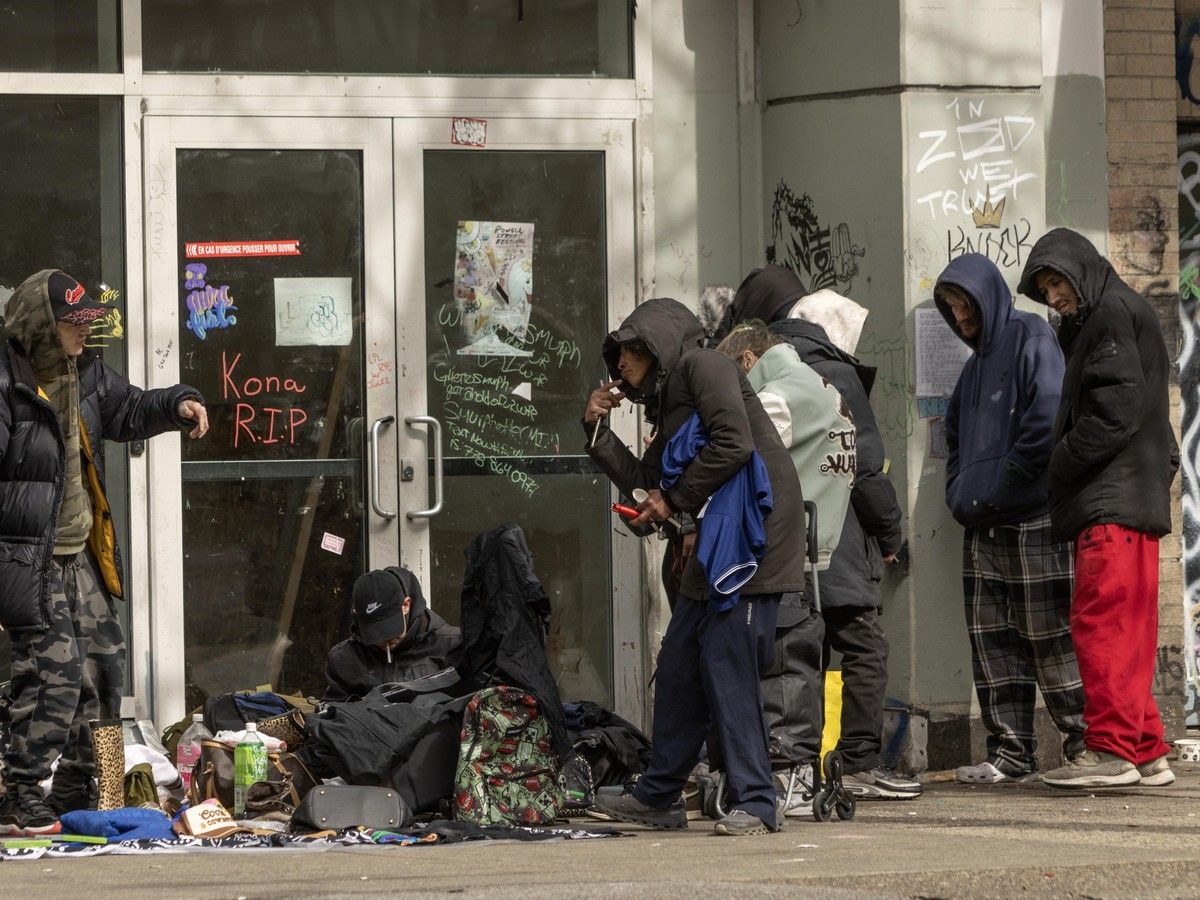
After years of an ever-worsening toxic drug crisis, B.C.’s overdose death rate is dropping, with experts saying the reasons for the downturn are complicated.
While the government and some other politicians are touting the government’s shift away from harm reduction and toward treatment and recovery, they also acknowledge policy changes aren’t the entire reason for the reduced number of deaths.
Addiction specialists and advocates say that the lowering levels of fentanyl in the drug supply and the proliferation of life-saving medications are also part of the picture, as is a reduction in the number of people using drugs.
In May, 109 people lost their lives from toxic drugs in B.C., the lowest recorded total in the province since February 2020, just before the onset of COVID-19, according to the B.C. Coroner’s Service.
Toxic drug deaths have been steadily declining for the past two years, with the yearly total peaking at 2,593 in 2023 before dropping to 2,318 in 2024 and 1,821 in 2025.
So far this year, there have been 630 deaths, with the province potentially on course to mark the lowest total of lives lost since 2017, the year after the public health emergency for the toxic drug crisis was first announced.
In a statement, Health Minister Josie Osborne acknowledged there are lots of different factors for the lowering death rate.
“There is no single reason for this decline, and the data suggests it is likely the result of a number of factors including increased awareness of overdose prevention and response, along with expanded health and social supports that help to address complex challenges including homelessness,” said Osborne. “That’s why we’re working urgently to build a full and comprehensive system of mental-health and treatment care that works for everyone, including prevention, early intervention, treatment and recovery services, aftercare services, harm reduction and more.”
Dr. Daniel Vigo, Premier David Eby’s chief scientific adviser for psychiatry, toxic drugs and concurrent disorders, said the drop is down to a number of factors, including the changing drug supply and a shift in provincial policies toward treatment and recovery.
“We put all our efforts in maximizing those evidence-based treatments that allow people to stay free of drugs, that allow people to stay in recovery, and, of course, we will maintain those harm reduction measures that have shown to be effective,” said Vigo.

Independent MLA Elenore Sturko, long a critic of safe supply and decriminalization, believes the government’s reversal of decriminalization in the lead-up to the 2024 election and its slow rollback of the safe supply program have helped reduce the death toll.
“The focus and the shift that I’ve seen from the government that we actually need to continue to promote is one that treats the person, helps them with their addiction, treats underlying mental illness, responds to things like brain injury and provides complex care for those that need it,” said Sturko. “Instead of spending millions of dollars trying to make a safe supply of drugs, for example, or teaching people a ‘safe way’ to do drugs.”

B.C. is far from the only jurisdiction, however, where overdose deaths have been dropping.
Across Canada, toxic drug deaths are falling. In 2025, there were 5,608 opioid toxicity deaths, according to Statistics Canada, a 13 per cent drop from the year before.
In the U.S., data from the Centers for Disease Control and Prevention has shown a steady drop from a monthly average of over 111,000 deaths in the spring and summer of 2023 to just under 68,000 in January of this year.
Paxton Bach, a specialist in addiction medicine at St. Paul’s Hospital, says that it’s impossible to put the reduction down to any one factor and warned against government using it as justification for their policies, given the trend has been similar across jurisdictions with wildly different approaches to the crisis.
Bach said that research done by the Public Health Agency of Canada and other researchers in the U.S. points to a stabilization of the illicit drug supply, with a lower concentration of fentanyl, as one of the primary reasons for the lowered death rate alongside the widespread distribution of overdose reversing medications like naloxone.

He said data from B.C.’s chief coroner also shows a reduction in the total number of people using drugs, although whether that is from less people taking up drug use or the tragic fact that so many drug-users have died is less clear.
“Things like increased access to treatment, increased enrolment in opioid agonist treatment, supervised consumption sites, a lot of interventions that are talked about a lot are not felt to be significant contributors to that change at a population level,” said Bach. “That’s not to say that those aren’t really effective tools that need to be looked at, need to be optimized. They serve smaller subsets of the overall at-risk population, and so at a population level, they may not be drivers of population-level trends.”
Guy Felicella, a peer clinical adviser with the B.C. Centre on Substance Use, said that he doesn’t like to see the commentary about safe supply and decriminalization being part of the problem and believes their removal has had very little to do with the downturn in the number of deaths.
“They’re saying it’s the rollback of decriminalization or the rollback of safer supply that’s done this, and if you look at when the overdose numbers started to decline, that was even before decriminalization was cancelled,” Felicella said.
“Plus, nobody died from the decriminalization of drugs, and nobody died from safer supply programs because, well, No. 1, if you look at the coroner’s release, it shows that data. But also, No. 2, it was so small of a program for about three per cent of the province, so that wouldn’t have any impact as well.”

While he’s glad to see the number of deaths going down, Felicella said the influx of benzodiazepines and other substances into the drug supply is making overdose reversals more frequent and more difficult.
B.C. Emergency Health Services reported an increase in the average of daily overdose response calls from a low of 81.8 in March, to 139.2 in November and 134 in December 2025. On May 27 of this year, the BCEHS set a new record with 326 overdose-related calls in a single day.
“It shows that people are still overdosing and that the crisis is still real. I just think that there’s a lot of awareness out there as well, where people are using they’re being able to be revived quick enough before brain injury occurs,” said Felicella.