 BURST
BURST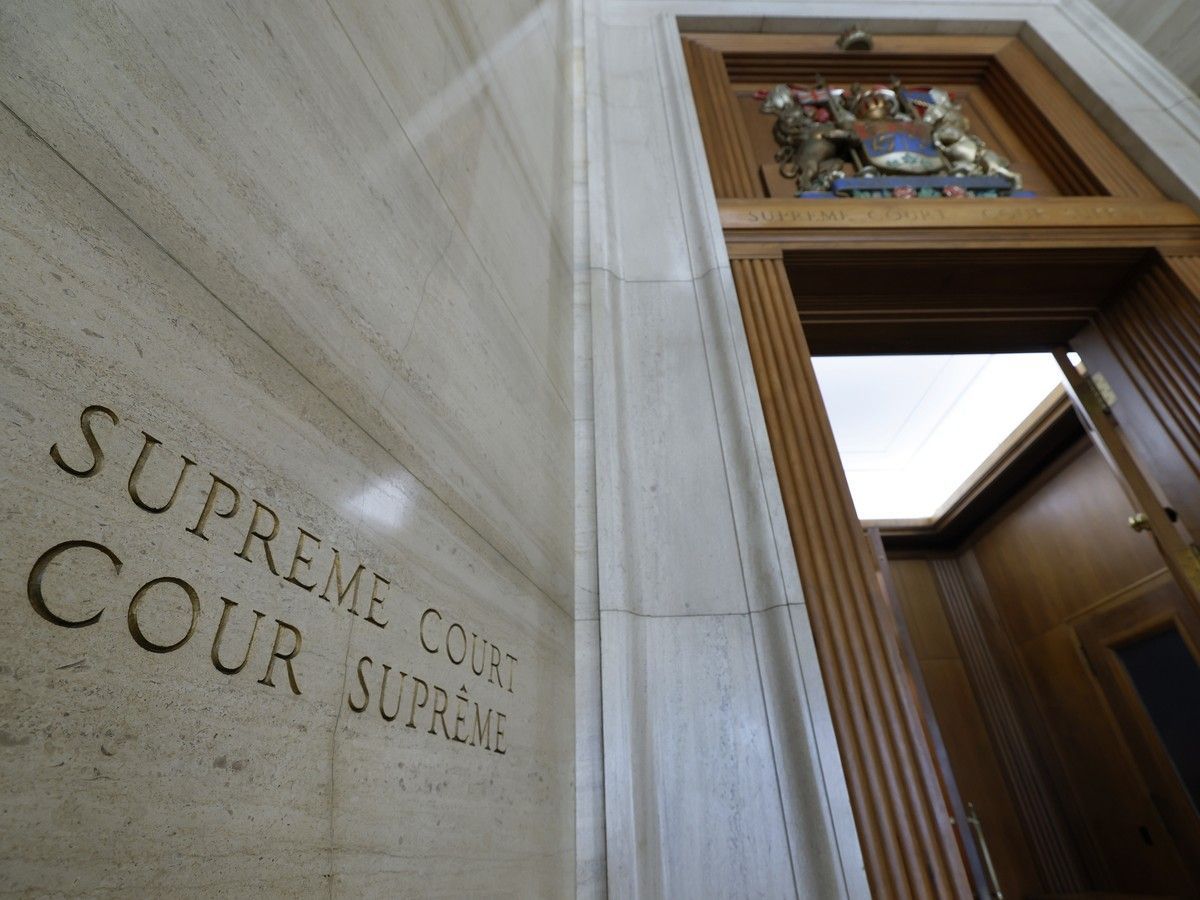
There is already talk among Quebec’s political class — across the political spectrum — of invoking the notwithstanding clause after Canada’s top court struck down a law that barred people seeking refuge from Quebec’s daycare system.
The Supreme Court of Canada ruled on Friday the province’s policy — which excluded asylum seekers from the province’s subsidized daycare network — discriminated against women. The decision means people seeking refugee status can continue to access the system. It also extended eligibility to those without work permits.
Quebec’s low-cost daycare system, which emerged in the late 1990s, is widely regarded as one of the most successful child-care programs in the world, credited with helping more mothers enter the workforce. Even New York City’s newly elected mayor, Zohran Mamdani, has pointed to Quebec’s system as a model.
But the program faces a shortage of spaces. About 30,000 children remain on waiting lists for daycare spots, according to provincial figures. About 6,000 of those spaces are currently used by children of refugee claimants.
Parti Québécois Leader Paul St-Pierre Plamondon, whose party leads in the polls ahead of a general election later this year, warned in Montreal on Friday the decision could encourage asylum seekers to come to Quebec to obtain social services.
“We can’t tell billions of people on Earth that if you arrive claiming you have the right to asylum you automatically have the same rights” as citizens, he said. “What do you think that will do in terms of incentivizing coming to Quebec to obtain those services?”
Still, St-Pierre Plamondon said children already enrolled in daycare would keep their places under a PQ government.
He argued Quebec should retain the option of limiting access if the number of claimants exceeded “our capacity to deliver those services.”
He did not rule out using the notwithstanding clause.
Liberals take a more cautious approach
Charles Millard, the new leader of the Quebec Liberal Party, which trails the PQ second in the polls, took a more cautious approach, but also left the door open to using the clause.
In a statement posted to Facebook, Millard said the party respects the authority of the courts and acknowledged the ruling found the policy violated charter rights.
But he added a Liberal government could consider invoking the notwithstanding clause if there were significant effects on Quebec families.
“The key here is to create places, better support the network and, above all, demand that Ottawa assume its fair share of the costs associated with receiving asylum seekers,” he wrote.
The most forceful reactions came from members of the ruling Coalition Avenir Québec, which has grown increasingly unpopular among the electorate.
Bernard Drainville, a CAQ cabinet minister and leadership contender, called the ruling a “slap in the face” to Quebec families waiting for subsidized daycare spots. If elected leader, he said, he would invoke the notwithstanding clause to ensure Quebecers receive priority.
Christine Fréchette, another CAQ leadership contender, echoed that position.
“I will use every means necessary to defend this principle,” she said in a statement.
What the Supreme Court ruled
The ruling stems from a legal challenge launched seven years ago by a mother of three from the Democratic Republic of Congo. She contested Quebec’s Reduced Contribution Regulation. Since 2018, it had excluded refugee claimants from subsidized daycare.
In its decision, the court concluded the policy disproportionately harmed women.
“Women are more likely to have primary child-care responsibilities, and access to affordable child care is closely tied to their ability to work,” the court summary said. Excluding refugee claimants from the program, it found, “reinforces and worsens the disadvantage experienced by women refugee claimants.”
Justice Andromache Karakatsanis also rejected Quebec’s argument the rule was necessary to ensure subsidized daycare remained limited to people with a sufficient connection to the province.
While that objective may be important, the court found no meaningful link between that goal and excluding refugee claimants.
Québec solidaire defends ruling
It was only Québec solidaire that offered a defence of the court’s decision.
The party’s immigration critic, Andrés Fontecilla, said the ruling protects vulnerable families and prevents refugee claimants from being pushed into deeper precarity.
“We are talking here about the well-being of children and about preventing the isolation of women, who are primarily the ones who carry this responsibility,” he said.
He added Quebec’s subsidized daycare centres also help immigrant children learn French and integrate into society.
“It is time for the political class to stop targeting the most vulnerable to save pennies,” Fontecilla said. “Condemning people who fled their countries to save their lives to poverty shows a cruel lack of humanity.”
Historically, Quebec has used the notwithstanding clause more frequently than any other province.
The Legault government invoked it pre-emptively in 2019 to shield its religious symbols law, known as Bill 21, and again in 2022 as part of its overhaul of French-language legislation under Bill 96.
With files from Katelyn Thomas
Should Quebec override the ruling? Write to me at hnorth@postmedia.com