 BURST
BURST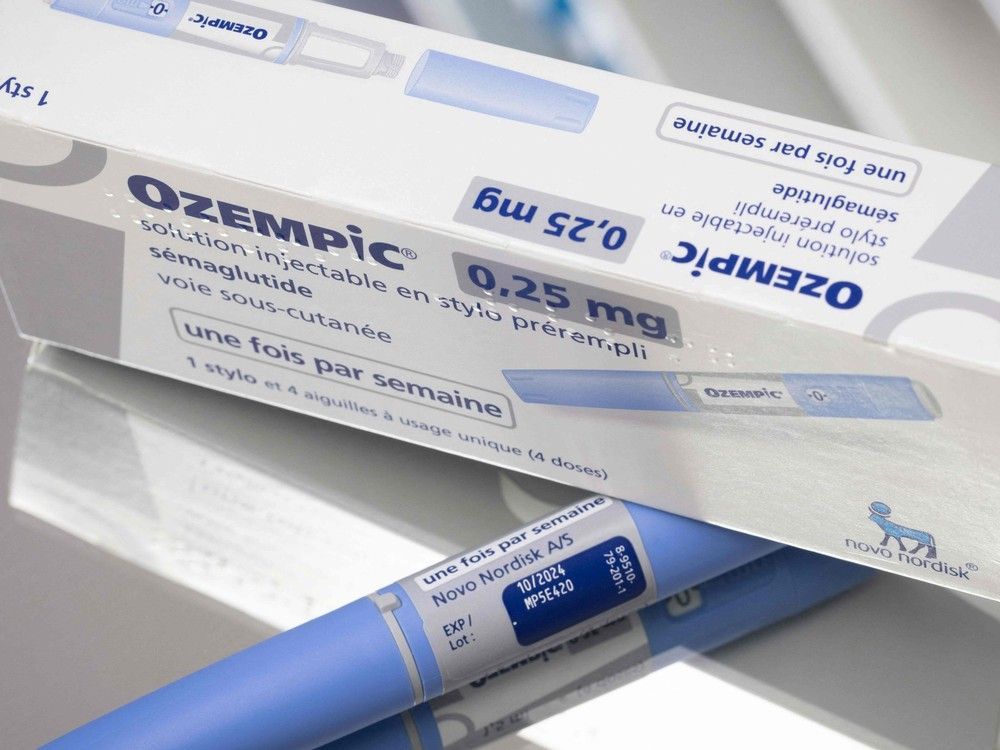
British Columbians could soon have access to cheaper versions of injectable diabetes and obesity drugs.
Health Canada is reviewing nine submissions for generic versions of semaglutide, a prescription medication sold under Novo Nordisk’s brands Ozempic, approved for diabetes management, and Wegovy, which is approved by Health Canada for weight loss. The patent on the drugs expired this month, opening the way for cheaper generics.
Experts say the cost has been a barrier for many, as it can run between $200 and $600 a month or more depending on the drug and the dose. Patients usually have to pay out of pocket because many insurance companies don’t cover medicines for obesity.
Obesity physicians say this has reinforced a false stigma that being overweight is the person’s fault when in fact there are environmental and genetic factors contributing to obesity rather than it being simply a lifestyle choice.
As the cost comes down for semaglutide and more people have access to it, many B.C. residents may have questions about what the drug is and whether they should talk about it with their physician.
Postmedia spoke to several experts to answer a few questions.
What is semaglutide?
Semaglutide works by imitating the natural hormone GLP-1, which is released in the gut after eating. It helps to manage blood sugar by stimulating insulin release when needed, slowing digestion to promote fullness, reducing sugar production by the liver, and decreasing appetite.
Dr. Ehud Ur, a professor of medicine at UBC’s division of endocrinology and metabolism, says the drug has been under a patent and now that’s coming to an end, people will soon have access to several cheaper generic versions. This is the usual process for pharmaceuticals.
In B.C., pharmacare covers Ozempic, but only as limited coverage benefits for treatment of Type 2 diabetes and not Ozempic or Wegovy when used for weight loss.
Why don’t insurance companies and governments cover Ozempic and Wegovy for obesity?
The simple answer, Ur said, is that it’s expensive and the companies and government want to avoid the costs. But it’s also because the potential market for patients who would be eligible based on weight is extensive, as 40 per cent of Canadians are overweight or obese.
“It’s an overwhelming concern. And obviously a lot of health-care systems are having to battle this issue. The problem is this drug actually works for weight loss. And it can help with the complications of weight, things like diabetes, heart disease, even certain cancers,” said Ur.
Physicians say society needs to move away from the idea that people are behaving badly or that they have less willpower than everyone else.
“Our world is designed to make us obese in the same way as our smartphones are designed to keep us scrolling,” he said.
“The system exploits people’s appetite and manipulates their appetite so that they that they become overweight. And who becomes overweight? It’s basically the people who are genetically predisposed to it. It’s highly related to genetic markers.”
Dr. Megha Poddar, an endocrinologist and obesity medicine specialist who works with Obesity Canada, says people with obesity finally will have access to treatment that’s been approved for a long time.
She said the biggest challenge is still going to be coverage because they don’t yet know if the government or private insurance plans are going to cover the generic versions.
What these agencies need to understand, she said, is that for many people being overweight is not just a lifestyle choice but something that can greatly increase cardiovascular disease. She said a recent trial showed semaglutide saved many lives of people with heart disease.
“It’s kind of a no-brainer that coverage should now be allowed because the evidence shows that there is a cost benefit.”
How do genetics contribute to being overweight?
Poddar said about 70 per cent of obesity is heritable. Anyone with relatives with obesity have a greater than 50 per cent chance of having issues with the gene that regulate the body’s appetite.
“The complicated part of genetics is it’s not just one gene that’s typically involved, it’s multiple genes. So it’s called polygenic obesity, and that means many genes are likely involved, and those are passed down,” said Poddar.
She added that just because there’s a history of obesity in the family doesn’t mean it will be passed down either.
So while a person may not develop obesity, they might have genetic vulnerability, and in that case the food environment doesn’t help.
“Food is everywhere and hyper palatable … the bottom line is that if you have a genetic predisposition, you are far more likely to get obesity than somebody else, and this is a reason why you may eat really well but struggle with weight and somebody who eats worse than you may not.”
When will B.C. residents be able to buy generic versions of drugs like Ozempic and Wegovy?
In an email, Health Canada said timelines for generic semaglutide will vary depending on the size, complexity and quality of each drugmaker’s submission, as well as how quickly companies respond to requests for additional information.
Health Canada approved last month two brand names for generic semaglutide products, Plosbrio and Poviztra, which contain the same active ingredient and meet the same quality standards as their counterparts, Ozempic and Wegovy. This is because they are being manufactured by the same company that makes Ozempic in a bid to compete with generics.
Ur said he expects generic versions to be available to British Columbians anywhere from a few months to up to a year from now.
Health Canada’s target timeline for the first review of generic drug submissions is 180 days, which the agency says is shorter than similar international regulators.
How will this help people?
A major hurdle to treating people who could really benefit from this drug has been the price, said Ur. But generic versions the drug could cost closer to $100 or $150 a month rather than $400 or even over $500, making it somewhat more accessible.
Ur said he expects the price to be at a minimum of half of what it costs now.
“It really very much depends on the individual manufacturers and what they think the market will be able to withstand and so on, but I would expect a significant price reduction,” he said.
What’s the difference between Ozempic and Wegovy?
Wegovy and Ozempic are made by the same company and both contain the active ingredient semaglutide. However, Wegovy — which is prescribed for weight loss — is more expensive than Ozempic because it contains a higher dose.
“It’s basically the same drug. It’s just a bit of a marketing gimmick,” said Ur. “The higher dose is typically used for people who are being treated for obesity. So they try to differentiate between the two markets. But the drug is the same. It’s still semaglutide but it’s being doled out in different doses.”
What risks are there to being overweight?
Being overweight predisposes people to potentially life-threatening conditions, including heart disease, fatty liver disease, certain cancers, stroke, and diabetes.
Ur said weight-loss drugs can help people reduce their risk for heart disease. This becomes particularly important for those in their 40s and 50s who have a history of heart disease in their family.
High cholesterol can also lead to heart disease and stroke, but Ur said cholesterol does not necessarily correlate with body weight and often it is a genetic condition. There are different drugs that can help with this, typically statins.
What are the possible side-effects of semaglutide?
Semaglutide is a long-term treatment, and discontinuing it can lead to regaining lost weight. Common side-effects are mild to moderate and include gastrointestinal issues like nausea, diarrhea, vomiting, and constipation. It can also cause fatigue and some muscle loss.
What are the risks?
Life-threatening risks are very rare, says Ur, but with any pharmaceutical there are always risks. He says side-effects like nausea and constipation are common and usually tolerated side-effects that may diminish over time as a patient’s body adjusts to the medication.
Some patients have developed bowel obstructions and more significant problems with their bowel because of this drug but Ur says that’s rare and usually in people who are already predisposed to that problem.
Another rare risk is a thyroid tumour, however, this is a very rare tumour that runs in families. Ur said there are only a few dozen people in B.C. with this condition and those patients shouldn’t be on Ozempic.
“Personally, I think that risk is actually overblown and is more of a theoretical risk, but we certainly adhere to that, so we don’t prescribe it to this very select population, but that’s something a physician and a patient will talk about.”
Are physicians concerned about the drug being used by patients with eating disorders?
Physicians are concerned that someone who is not overweight would seek this drug. Ur said physicians need to be careful when prescribing medication to people with body image issues, particularly younger men and women who want it for cosmetic or social pressure reasons.
“We see a little bit of that. But I mean, the potential population that would benefit is huge. Basically, anybody who’s significantly overweight, who’s at risk of its kind of complications, typically somebody who’s over 40 or 50, they would benefit from it.”
Poddar agrees. Semaglutide isn’t a short-term weight loss solution and isn’t necessary for a healthy person trying to drop a few pounds.
“Not all weight loss is a good thing. If you’re a perfectly healthy person and you’re losing weight, to get into a certain dress size, you have to keep in mind that you are also losing muscle as well as fat,” said Poddar.
She said in that scenario the benefits don’t outweigh the risks but if a patient has inflammatory adipose tissue — especially visceral fat which can become chronically inflamed due to excess fat accumulation — then muscle and fat loss benefits outweigh the risks.
What about middle-aged women in perimenopause or menopause?
Menopause and perimenopause are risk factors for increasing abdominal adiposity in women, and that’s why you get increased risk of metabolic health disease, said Poddar.
“If your waist circumference is increasing, you have early signs of metabolic health disease, or you have a family history of metabolic disease, these are all things that I would take into consideration. If you’re at risk of having issues down the road, then it is far better to treat early than it is to treat late, but the risk, the benefits always have to outweigh the risk,” she said.
“This is where trained health-care providers are a really important conversation because these medications are long term. If you stop them, the benefits go away.”
Which companies are applying for generic use?
The list of companies applying to have generic submissions reviewed by Health Canada include Sandoz Canada, Apotex, Teva Canada, Taro Pharmaceuticals and Aspen Pharmacare Canada.
Are there any other promising medications for obesity we can expect in the future?
Yes. Ur said the will be newer medications soon that are more effective than Ozempic and Wegovy. Already, doctors can prescribe a drug called Mounjaro (tirzepatide,) which is a prescription medication that can lead to significant weight loss in individuals with obesity.
There are also oral versions of these drugs that are likely coming to Canada after they were approved by the FDA in the U.S., so patients won’t have to take injections.
“Our attitudes to obesity are evolving. I think we’re getting better at understanding that this is not a lifestyle choice or bad habits or bad willpower but a medical problem that has a genetic basis, but also is partly related to the way we build our environment in terms of the availability of high caloric food and lack of facilities for physical activity,” said Ur.
“And when you put all that together, you’ve got a raging problem that is impacting on life expectancy and other serious matters. And so I think it’s very timely that we have access to these new therapies that are extremely effective. There’ll be newer ones coming down the line that are even more effective.”
What about other support for chronic obesity?
Poddar said Canada is going to be the first country in the world to have a generic version of semaglutide, so the world will be watching. However, she added that while it’s great generic manufacturers will drive the price down, Canadians still lack access to other support like behavioural therapy.
Behavioural therapy means having access to a specialist who can help with help understanding obesity, how the medications work, as well as sleep and nutrition plans.
“Just like any chronic disease, the medication alone is only going to get you so far, and especially with obesity. So much of the conversation is being led by social media and the public around weight and how you look all that wrong messaging, she said.
“Evidence-based behavioural support is necessary on top of medications in order for people to truly be successful with obesity treatment.”
This could include providing access evidence-based technology for scalable behavioural support for rural residents who may not have a specialist they can visit.