 BURST
BURST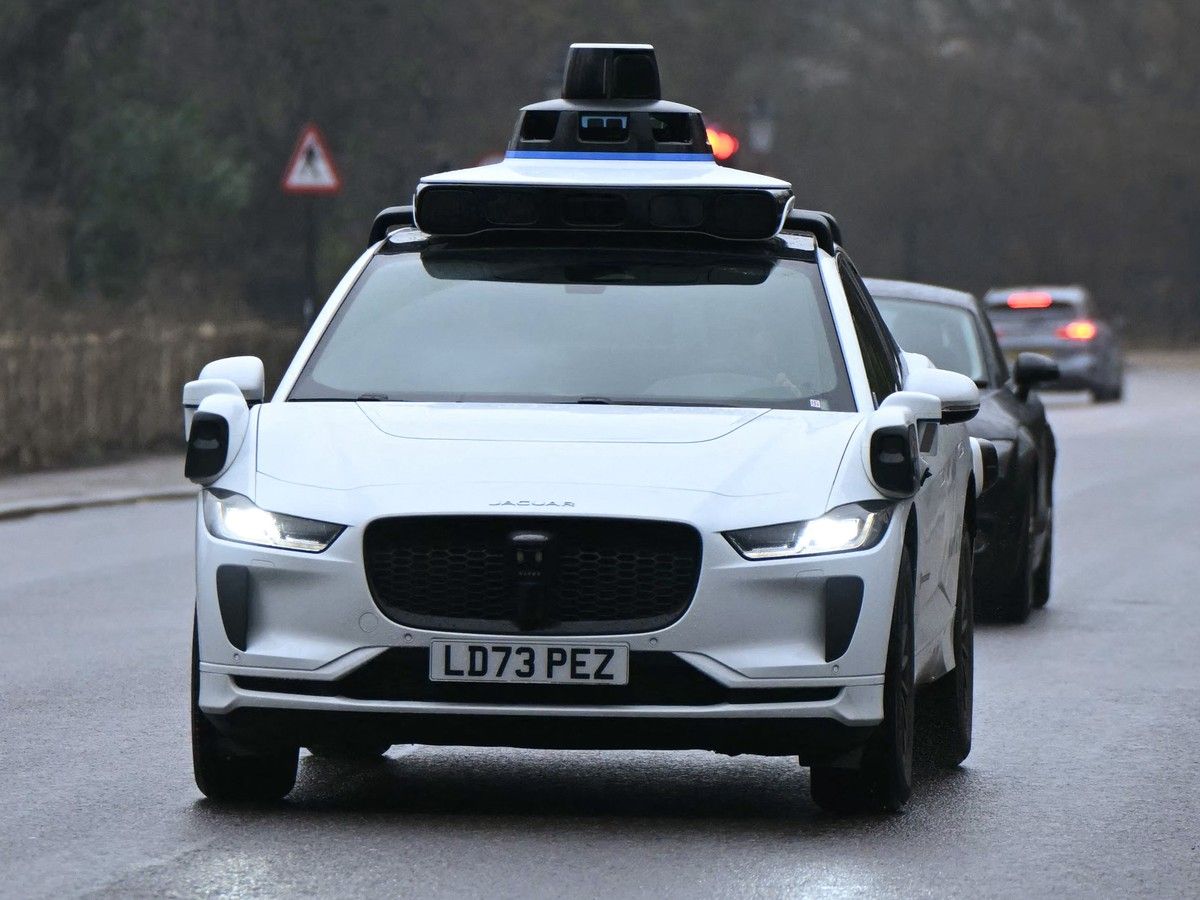
B.C. prohibits the use of fully autonomous cars, labelling them an “emerging technology,” but self-driving taxi company Waymo has been working hard to change the government’s mind.
Silicon-Valley headquartered Waymo has been on a global push to expand its service, launching in four more U.S. cities in February — Dallas, Houston, Tex., San Antonio, Tex., and Orlando, Fla. — and has enlisted lobbyists to push Victoria on putting B.C. cities on its list.
B.C.’s Office of the Registrar of Lobbyists shows that a contingent of lobbyists from the firm StrategyCorp Inc. has had dozens of contacts with officials including those at ICBC, the Ministry of Transportation and Transit, and Finance Minister Brenda Bailey’s office.
“We are engaging with officials across Canada to help explain our technology and advocate for legal frameworks that would allow us to bring our fully autonomous ride-hailing service to Canada in the future,” Waymo spokesman Ethan Teicher said in a statement emailed in response to Postmedia News questions.
Teicher leans into the premise that self-driving advocates have promised in the company’s sales pitch, that autonomous transportation is helping to usher in an era of safer driving that reduces accidents by taking human error out of the equation.
Critics, however, are bracing for the arrival of an autonomous-driving future where services flood urban streets with additional individual passenger vehicles with the ability to circulate empty contributing to worsening traffic gridlock.
“What it’s going to mean is that for everyone else on the road, tradespeople, trucks, buses, the roads are going to end up being unusable,” argues Denis Agar, executive director of the transit advocacy group Movement.
On safety, Waymo, in the section of its website devoted to the subject, claims that its driverless cars clocked 92 per cent fewer crashes that cause severe injury or worse, 92 per cent fewer pedestrian collisions and 85 per cent fewer collisions with cyclists for a comparable distance driven by human drivers.
The U.S. National Highway Transportation Safety Authority counted some 1,429 accidents involving Waymo vehicles between July 2021 and November 2025, with 117 injuries and two fatalities, according to an analysis by the California law firm DiMarco Araujo Montevido.
Teicher noted that its service has driven more than 322 million kilometres in the cities it serves, which started with San Francisco, but now includes Los Angeles, Austin, Tex., Houston and Miami along with the four added this year.
It now racks up an average of 400,000 rides and 16 million kilometres per week, with competitors adding to the experience. Amazon-owned service Zoox recently launched in Las Vegas and San Francisco also with designs on Austin and Miami.
However, while B.C. remains a moot point for Waymo with a 2024 adjustment to the Motor Vehicle Act prohibiting the use of fully autonomous features in automobiles, Agar at Movement suggested the province look at putting measures in place that would rein in the potential for traffic congestion before considering any changes.
No one from the Transportation Ministry was made available for an interview Monday, but an unattributed statement in response to Postmedia questions indicated that the ministry is aware of Waymo’s interest, but Transport Canada sets the rules for autonomous transportation tech and the company hasn’t met its requirements for an exemption to those rules.
The statement said B.C.’s 2024 legislation left an opening for future regulations or pilot projects to test self-driving and is monitoring advances in the technology.
“At this time, the ministry is not pursuing an autonomous vehicle pilot project, and Waymo has not approached the ministry to request one,” the statement said.
Agar argued that self-driving features, paired with electric vehicles, will bring down the per-kilometre cost of using individual passenger vehicles. And whenever the cost of something comes down, people tend to use more of it, which will contribute to congestion.
He can envision a future when commuters would be more willing to endure long distance trips if they didn’t have to drive and cars circling city streets for long periods without parking while waiting for passengers at lengthy appointments in a city.
So Agar is advocating for devising a mechanism to charge autonomous vehicles for access to city streets, which increase when they drive around empty, to raise revenue that would improve transit services.
“I have no illusions about the fact that autonomous driving is going to be everywhere eventually,” Agar said. “When that day comes, our streets are going to grind to a halt because the cost of driving is just going to plummet.”