 BURST
BURST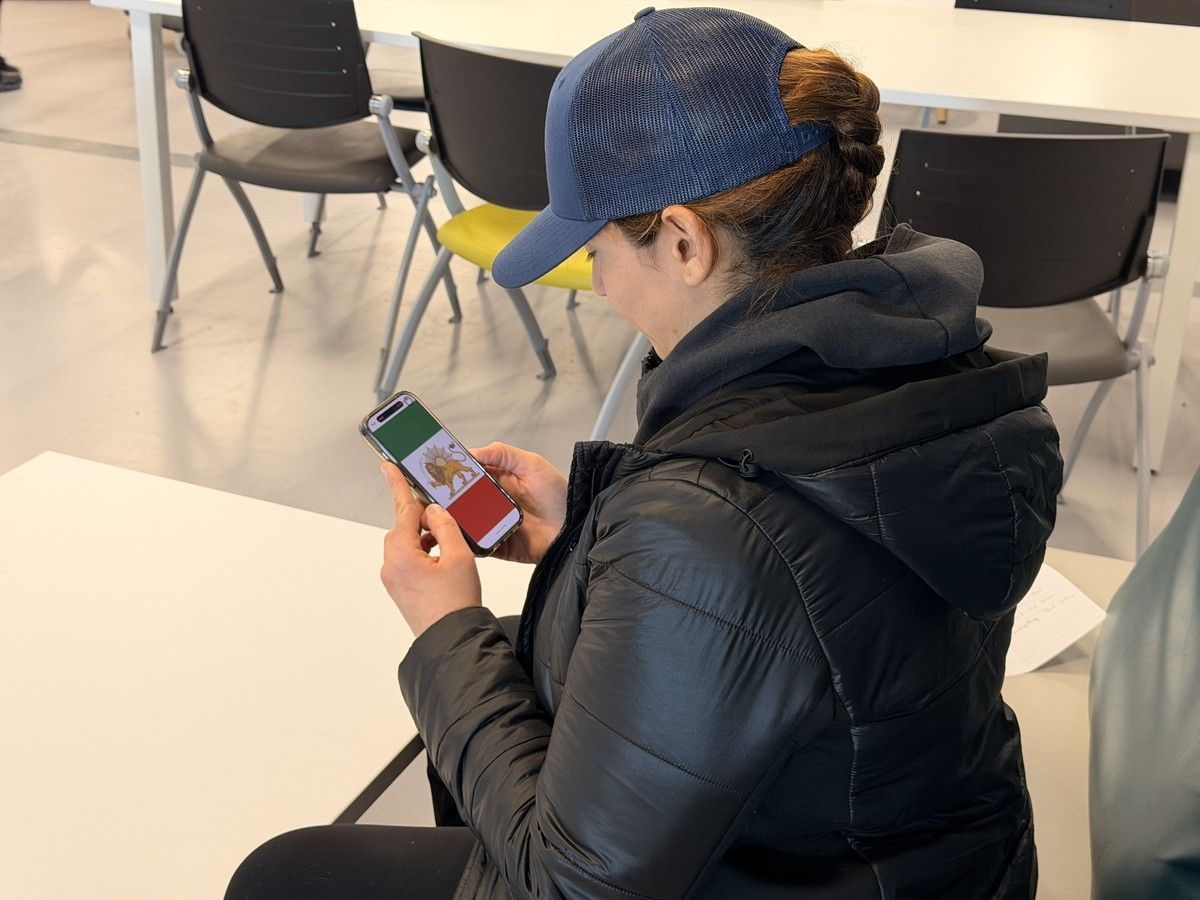
As tensions continue between the United States, Israel and Iran, some Iranians living in P.E.I. say they are experiencing what one calls a “very strange feeling.”
They express deep grief for those killed in the strikes, coupled with celebration over what they hope could lead to political change.
Hamid Aflaki, who has lived in P.E.I. for nearly two years, said he has been closely watching developments in Iran while trying to stay in touch with family back home.
He last spoke to his mother days before the strikes began. Since then, he has been unable to reach her because internet connections have been cut. Something he says happens during times of unrest.
“There’s always that feeling when you cannot speak to your family,” he said.
Still, Aflaki said he believes his mother and family are safe where they are.
Complicated emotions
Another Iranian living in P.E.I. said she does fear for her family’s safety in Iran and the unfolding conflict has brought a complicated mix of emotions.
Niloofar, who asked that her last name not be published to avoid retribution for her Iranian family, said the situation has left her feeling both hopeful and afraid.
“It’s a strange mix of feeling,” she said. “It’s mostly hope and a little bit of fear.”
On Feb. 28, the United States and Israel launched military strikes against the Islamic Republic of Iran. Iran retaliated with military strikes against Israel and U.S. military bases across the Middle East.
The Canadian Government released a statement supporting the United States acting to prevent Iran from obtaining a nuclear weapon and to prevent its regime from further threatening international peace and security.
U.S. President Donald Trump said on Truth Social that Iran’s Supreme Leader Ayatollah Ali Khamenei had been killed in one of the targeted strikes.
A turning point
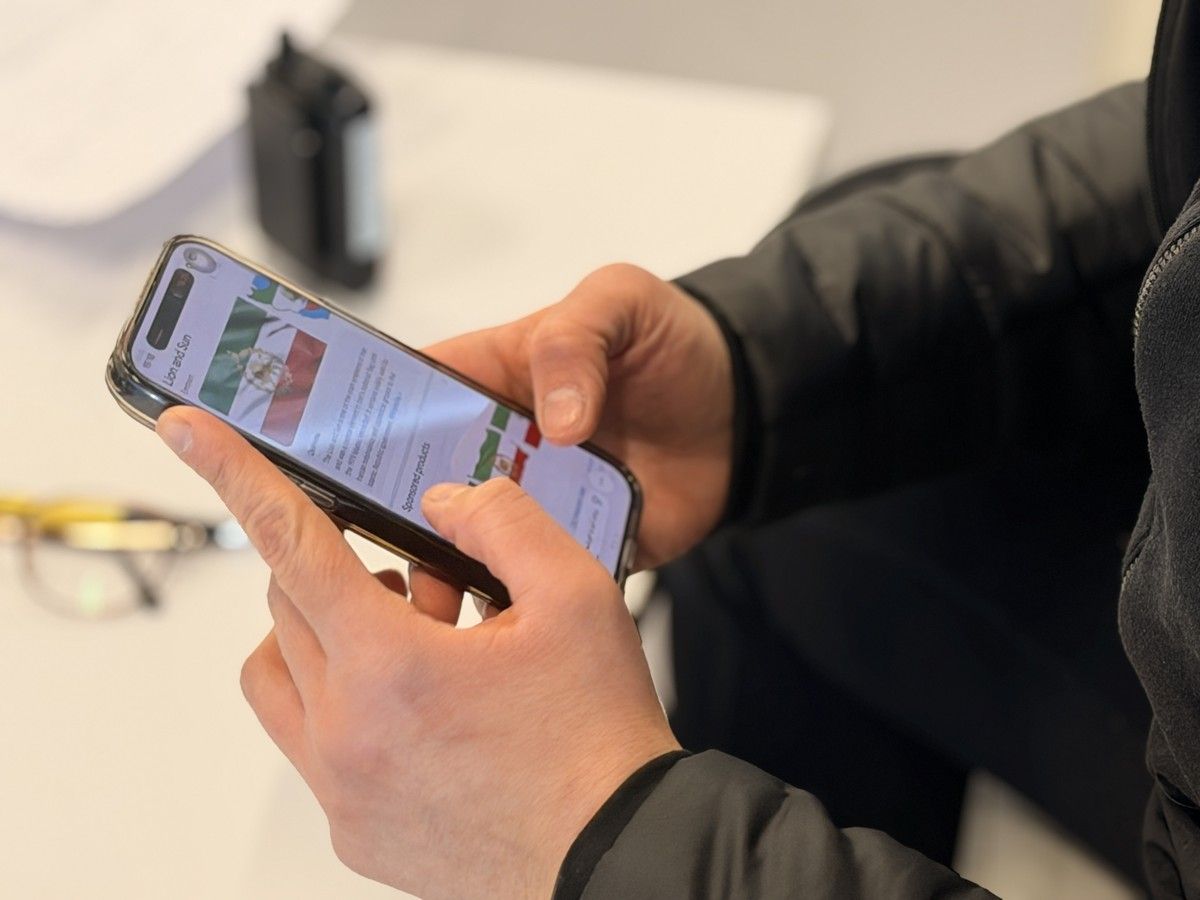
When asked how they reacted to reports that Iran’s supreme leader had died, Aflaki and Niloofar said they celebrated and felt a sense of relief. Aflaki said he and his family in P.E.I. celebrated.
“I’m very happy to hear that. We had a celebration here. Because we believe that he is the main reason for all the problem we have in Iran.”
“The celebration is not about being under war,” Niloofar said. “The celebration is about that moment.”
She said many people see the moment as a possible turning point after decades under the current system of government.
“The problem is the system,” she said. “We hope that the system is going to lose its power too.”
If that happens, she said many Iranians believe the country could begin rebuilding.
Civilian deaths
At the same time, Aflaki told The Guardian that the civilian deaths reported in the strikes have been unfortunate.
“We are so sorry, so sad for them. This is a very strange feeling. We have never had such a feeling. So, we are so sad, extremely sad for those peoples killed in Iran,” Aflaki said.
Niloofar said the hope for her is the possibility of rebuilding the country and making it free again.
For Niloofar, freedom means being able to speak openly and live without fear.
“Having the right to speak,” she said. “If you have an opinion that is different than me, you have to be able to express it.”
- Stay informed: Don’t miss the news you need to know. Sign up for our newsletter today.
Vivian Ulinwa is a reporter for The Guardian in Prince Edward Island. She can be reached at vulinwa@postmedia.com and followed on X @vivian_ulinwa.