 BURST
BURST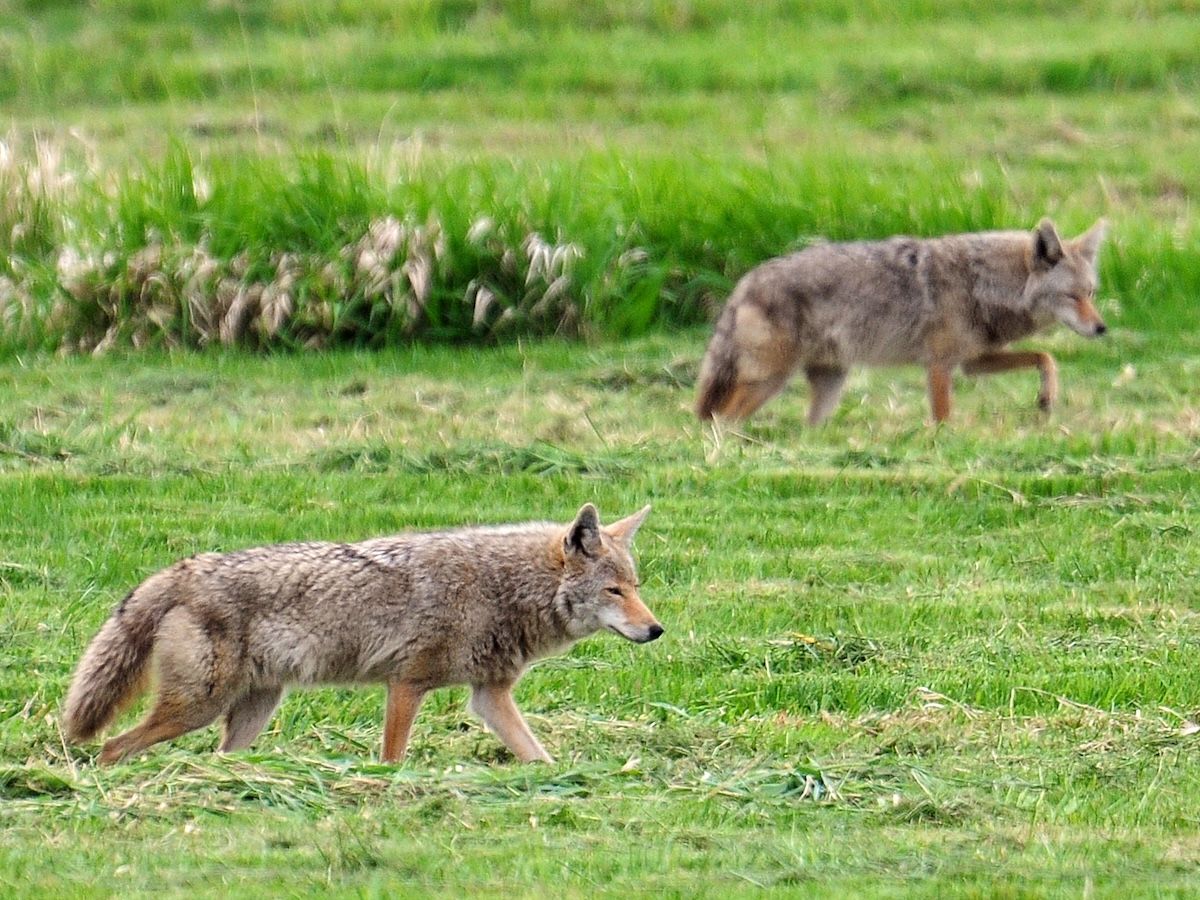
If you give a bear some breakfast … you might get a five-figure fine to go with it.
A man who told conservation officers that he simply liked to share his leftovers with wildlife has been fined $27,000 for leaving piles of food along North Shore trails.
Kenneth Amaral, 60, was confronted by a resident in 2022 after Amaral was spotted leaving food near the resident’s home in West Vancouver, close to Keith Road above the Capilano River.
This report led to a Conservation Officer Service investigation that included motion-triggered cameras showing Amaral leaving sausage, chicken and even lemon meringue pie at three different sites. The video recorded instances of coyotes and bears feeding on the food , which was left close to homes and trails used by hikers, joggers and people fishing in the Capilano River.
During the investigation and court appearances, Amaral admitted to intentionally placing the food out for wildlife, despite knowing it was illegal, and continuing to do so after being confronted by conservation officers and the public. He said he was simply putting out his leftovers, a claim disproven in court.
Amaral was convicted of two counts under the B.C. Wildlife Act in 2025, but did not appear for his sentencing, and a warrant for his arrest was issued. He no longer lives at his last known address, and his whereabouts are unknown.
He was sentenced in his absence on Tuesday in North Vancouver provincial court.
Amaral was fined $3,000 a day for six days for feeding or attempting to feed dangerous wildlife — a total of $18,000. In addition, he was fined $1,500 a day for six days for leaving matter to attract dangerous wildlife ($9,000). Of the $27,000 judgment, $20,000 is directed to the Habitat Conservation Trust Foundation.
The Conservation Officer Service said while feeding wildlife may seem harmless, it can have serious consequences . Bears, coyotes and other wildlife that learn to associate people with food are more likely to enter neighbourhoods and create conflicts.
“We believe this sentence sends a strong message that feeding dangerous wildlife is a serious offence,” said Sgt. Chris Doyle. “Feeding dangerous wildlife puts wildlife at risk and people at risk.”
Anyone who sees instances of people feeding wildlife or sees dangerous animals in residential areas can call 1-877-952-7277.