 BURST
BURST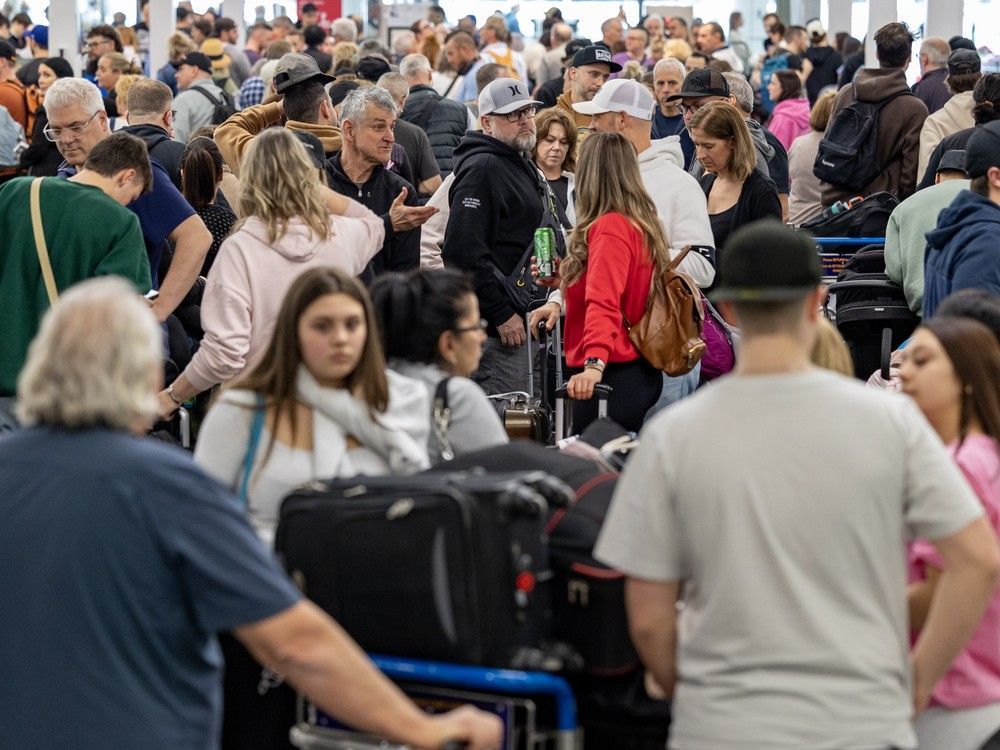
Quebecers looking to escape the cold not only may have had their plans disrupted in recent weeks, travel experts say vacationers are also weighing the risks and considering different winter havens to visit this spring break.
With Canadian flights suspended to Cuba because of fuel shortages and cartel-related violence in Mexico’s Puerto Vallarta, travellers saw back-to-back upheavals in two popular destinations this month.
Planning a vacation? Here is what you need to know.
What is going on in Cuba and Mexico?
In early February , major Canadian airlines suspended flights to Cuba over a deepening energy crisis in the Caribbean nation. Cuban officials have said the situation is being exacerbated by the Trump administration’s blockade of oil shipments from Venezuela.
The Canadian government currently advises against all non-essential travel to Cuba , citing worsening shortages of not only fuel, but electricity and basic necessities, including food, water and medicine.
“The winter tourist season in Cuba is over,” said CAA-Québec spokesperson Simon Bourassa.
In Mexico, violence erupted in the tourism hot spot of Puerto Vallarta over the killing of a drug lord known as El Mencho last weekend. Canadians were advised to shelter in place, and major airlines from Canada had to suspend flights in and out of the area last Sunday and Monday.
Mexico is under travel advisories that vary by region. The Canadian government advises against non-essential travel to several areas along the west coast, for example. The situation appears to have stabilized in Puerto Vallarta, but the federal government still suggests a high degree of caution.
“Therefore, people who booked their spring break in Puerto Vallarta several weeks or months ago will be able to go without any problems,” Bourassa said.
Where are Quebecers travelling to?
Many travellers from Quebec are opting for the Dominican Republic since Cuba is off the table, according to Bourassa.
Mexico remains popular, even if “there are still a lot of changes happening right now,” he said. “We haven’t yet measured how much this will affect bookings in Mexico for the coming weeks.”
The French West Indies has also become more popular “over the past few years,” Bourassa said. This includes Martinique and Guadeloupe — though there are fewer all-inclusive options.
Will McAleer, executive director of the Travel Health Insurance Association of Canada, said aside from those locations, some Canadians are also opting for parts of Europe.
“There are a growing number of snowbirds who are going to southern parts of Portugal and Spain this winter,” he said.
Bourassa noted fewer trips to the U.S. since the beginning of the season. Earlier this month, Canadian airlines WestJet and Air Transat announced cuts to service in flights to the U.S.
Like Bourassa, it’s a trend McAleer has also seen, pointing to unease over recent political upheaval and tariffs, though he noted the U.S. still remains a choice for many Canadians.
“This is a particularly interesting season, right, given Canadians choosing to stay away from the U.S. in pretty large numbers,” McAleer said. “And, as a result, they go farther afield.”
John Gradek, a faculty lecturer in supply networks and aviation management at McGill University, said with sunseekers having to dig deeper into their pocketbooks to visit other, possibly more expensive locations than those in the U.S. or Cuba, they could be considering “potentially taking that spring break vacation and doing something either later in the spring or a summer vacation.”
Airlines pivoting to match changes
Gradek noted Canadian airlines are pivoting where necessary to meet demand and changes.
With Cuba being out of the mix, some carriers now offer non-stop flights to “new destinations throughout the Caribbean and throughout Central America,” he said.
“You have some destinations that were traditionally strong that have dropped off,” Gradek said. “But you have new destinations showing up that allow Canadians to still get sun, probably at a higher price, but the choices are still there.”
Travel insurance a must
When it comes to vacations, McAleer said the “biggest risk is related to medical insurance” such as an illness or a health emergency, so it’s important to have proper health coverage.
Trip cancellation insurance, meanwhile, can help travellers when disruptions occur. Some may even opt for premium coverage that allows them to cancel travel plans for any reason.
“In a world of more uncertainty, and when we’re seeing a greater number of disruptions for a number of different reasons, protecting yourself with trip-cancellation policies is something that can help you have a greater degree of comfort,” McAleer said.
Bourassa of CAA-Québec noted it’s important to not only have insurance, but also to buy a plan before the start of a trip — and not during it. While credit cards and work plans may offer some form of coverage, he said verifying what those plans cover is important, since there could be exceptions or limits, and to consider other insurance options.
‘Safe location’ top of mind
Aside from insurance, Bourassa recommends travellers ensure their passport is up to date and the expiration date meets the standards of the country they’re visiting, and to check if their destination requires a visa. He also suggests having enough medication with you before leaving for a trip.
Gradek, for his part, advises anyone looking to book a vacation to “understand the geopolitical world in which you’re travelling into” and to be “aware of what’s going on around you.”
“I’m not saying not to go anywhere,” he said. “I’m saying make sure when you make your choices, you’re well prepared for emergencies and for disruption because it can happen anywhere, any time, depending on the political situation we’re living in these days.”
Right now, “from a Canadian perspective, looking for a safe vacation location is something that is going to probably be top of mind to everybody,” according to Gradek.
“Yes, the price is going to be important in terms of how much do I have to spend to get my family of four down to a sun destination for two weeks? But I think top of mind will be: Is this the right place to go? Do I feel safe?”