 BURST
BURST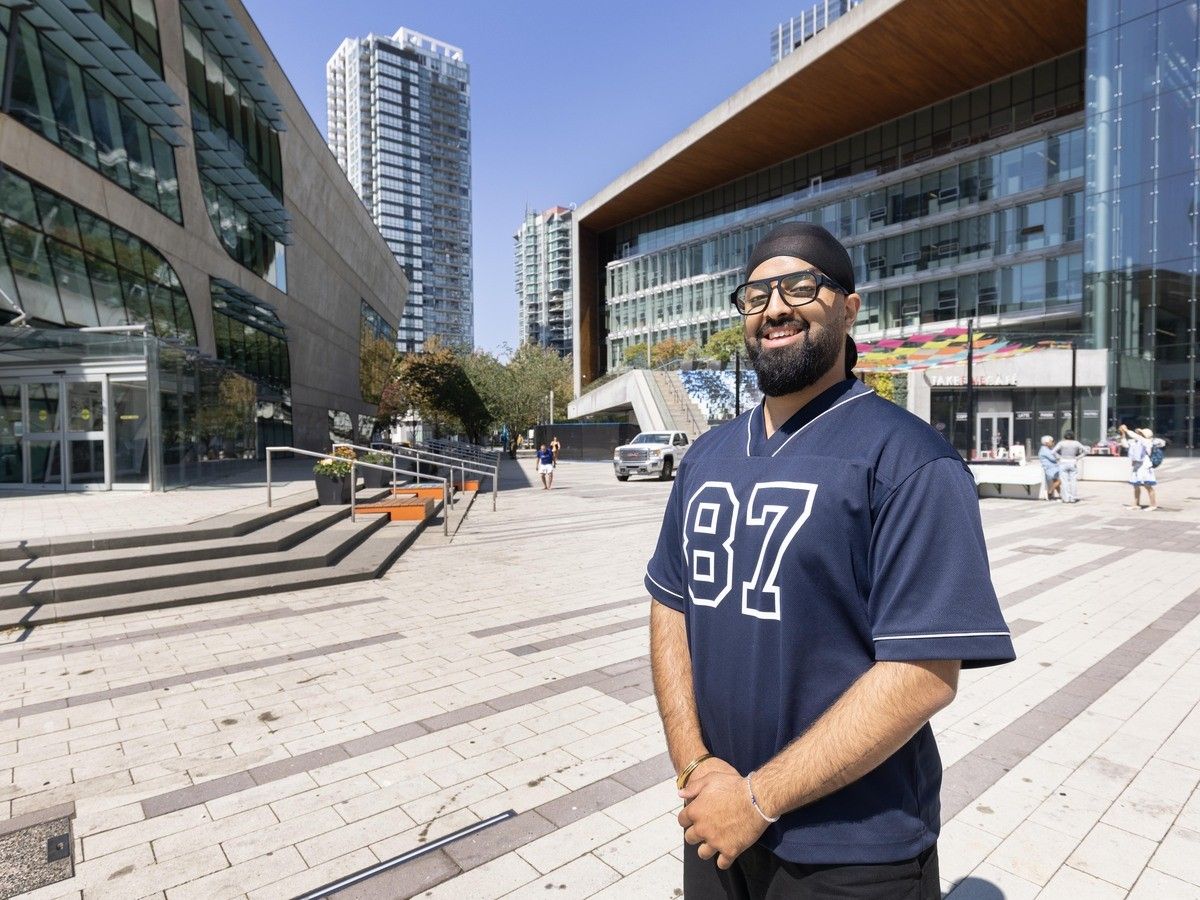
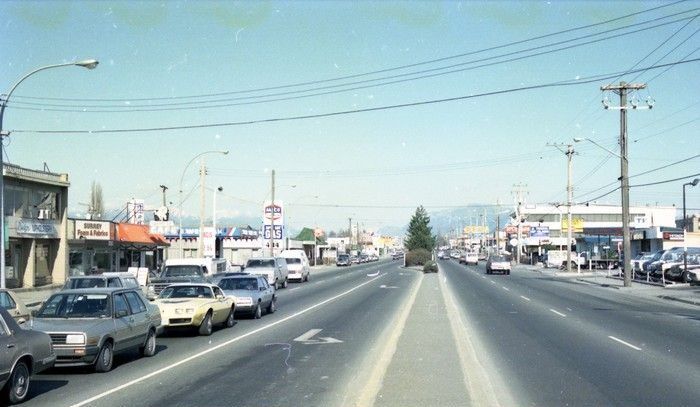
Surrey City Centre, earlier known as downtown Whalley, was once viewed as one of the most dangerous areas in the Lower Mainland, plagued by shootings, property theft and substance use.
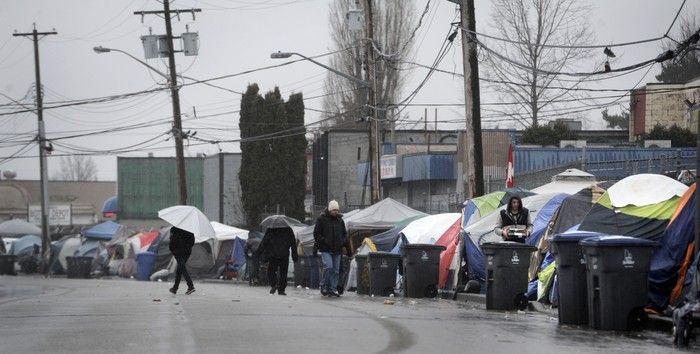
Until it was cleared out in 2018, the notorious “Surrey Strip” housed more than 150 residents in a tent city along 135A Street.
But the city’s downtown has undergone a transformation over the last several years — a new city hall near a massive library, nearby campuses for Simon Fraser University and Kwantlen Polytechnic University that continue to expand, an explosion of high-rise buildings and an infusion of new businesses. Holland Park is now home to many large-scale events, such as a major music festival.
The future vision for the area, however, is shaping up to be a significant election issue.
Some favour expansion with new venues for concerts, sports and cultural events, luxury hotels and conference facilities, and more office and retail space. Others worry that such new development and density will increase the cost of living in an area often regarded for its affordability.
Surrey Mayor Brenda Locke has promised a luxury hotel, conference rooms, residential towers and a 10,000-seat sports and entertainment arena right across from city hall.
“Bringing this arena to Surrey means jobs, investment, conference capacity, and major sports, arts and entertainment like never before. We’re already the economic powerhouse of the region, and this is another step in Surrey’s rise as a world-class city,” Locke said in July.
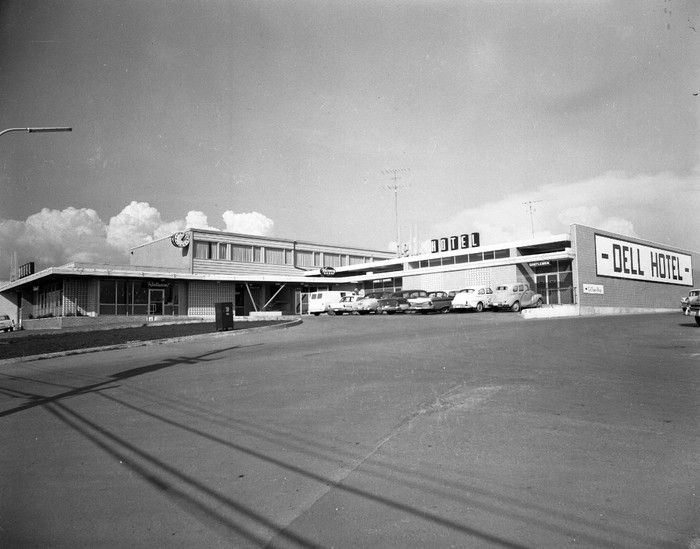
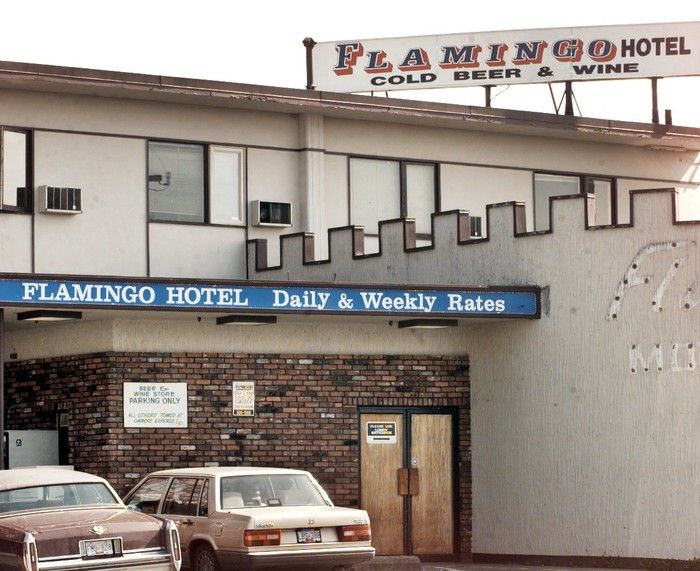
Whalley used to have a couple of hotels, but they were far from luxurious. The Flamingo, opened in 1955, deteriorated over the decades and became known for its fair share of fights, stabbings and shady customers. Nearby sat the low-income Dell Hotel before it closed in 2011.
Dan Cupa, senior vice-president of the residential department at Bosa Properties, which has had a presence in the area for more than 10 years and been a part of its transformation, sees a lot of opportunities for growth.
“We’ve seen massive improvements to the area over the years. It started with obviously the relocation of city hall, and that was a massive commitment and investment by the city in terms of the beginning of the City Centre vision,” Cupa said.
Now, the extension of the SkyTrain to Langley and commitments to bring more entertainment venues will “drive additional demand and create more opportunities for growth,” he said.
By 2030, “I think you’ll start to really feel that sort of transition, that sort of moment. I think it will feel like a bit of an inflection point as to the vision that first came forward 15 years ago.”
Manvir Pangly, 26, who was born and raised in Surrey and frequents the downtown area, says people he knows are often shocked to see the town centre’s transformation.
“Even King George Hub itself is shocking for people,” Pangly said of the mixed-use development filled with restaurants, shopping and housing.
“Family will be like, ‘When I came 10 years ago, it wasn’t like this.’ It’s really this drastic change with the new beautification of the city.”
Another resident, Manraaj Grewal, 24, shares this assessment.
“It was just a place to sleep. It was just a residential area that our family lived in. But now, slowly, we were building this as a place to just stay,” Grewal said.

The two, however, disagree about future plans for the city’s centre.
Pangly supports Locke’s vision for downtown, including the arena concept.
“When they announced that, I was like, ‘Whoa.’ Imagine just walking five or 10 minutes to go to a concert or another event that would happen at the arena, especially since it’s right next to the SkyTrain,” Pangly said.
Grewal, however, says she worries about what the area’s transformation will mean for affordability.
“I think that if we build an arena, we are sometimes risking leaving people out who can’t afford to get the tickets or the luxury hotels that they’re building. So I think we are kind of risking making Surrey into this expensive place,” she said.
Mayoral hopeful Doug McCallum said he would axe the idea for an arena.
“This 10,000-seat arena should not be in City Centre,” McCallum told Postmedia. “You never see a stadium in the middle of the city. It’s just not practical. It doesn’t work.”
Instead, if the former mayor is elected again, he plans on building up the Bear Creek Stadium in Newton. The site is mostly covered and has seating currently for 2,200 people on one side of the field. McCallum’s plan is to add seating stands on the three remaining sides to bring capacity up to about 10,000.
“It doesn’t take long to build these stands,” McCallum said. “It’s very easy to do and doesn’t cost much.”
Coun. Linda Annis, who is also running for mayor, says she would like to see a convention centre built, but has not thrown her support behind the arena, asking why taxpayer money is being used to build it instead of private funding.
“We certainly need something in City Centre to have a vibrant community,” Annis said. “But this should not be on the backs of the taxpayers. This kind of development should be a partnership where perhaps the city gives a lease on the land, and a developer or organization from the private sector builds it.”
Annis stopped short, however, of saying she would outright cancel the arena plan, if elected.
Related