 BURST
BURST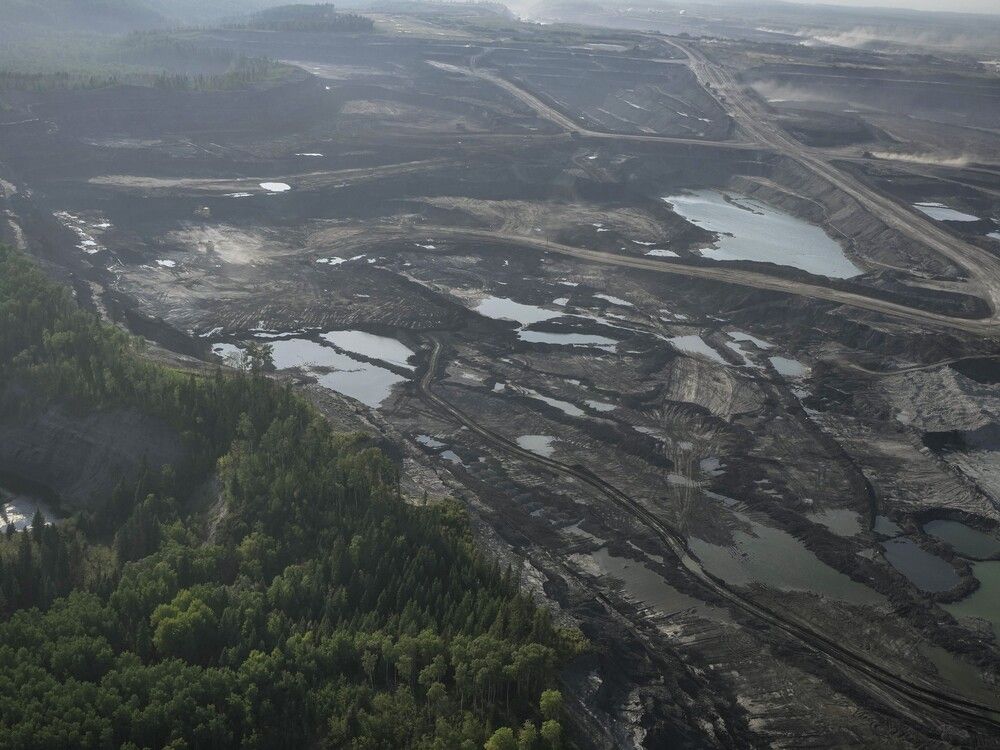
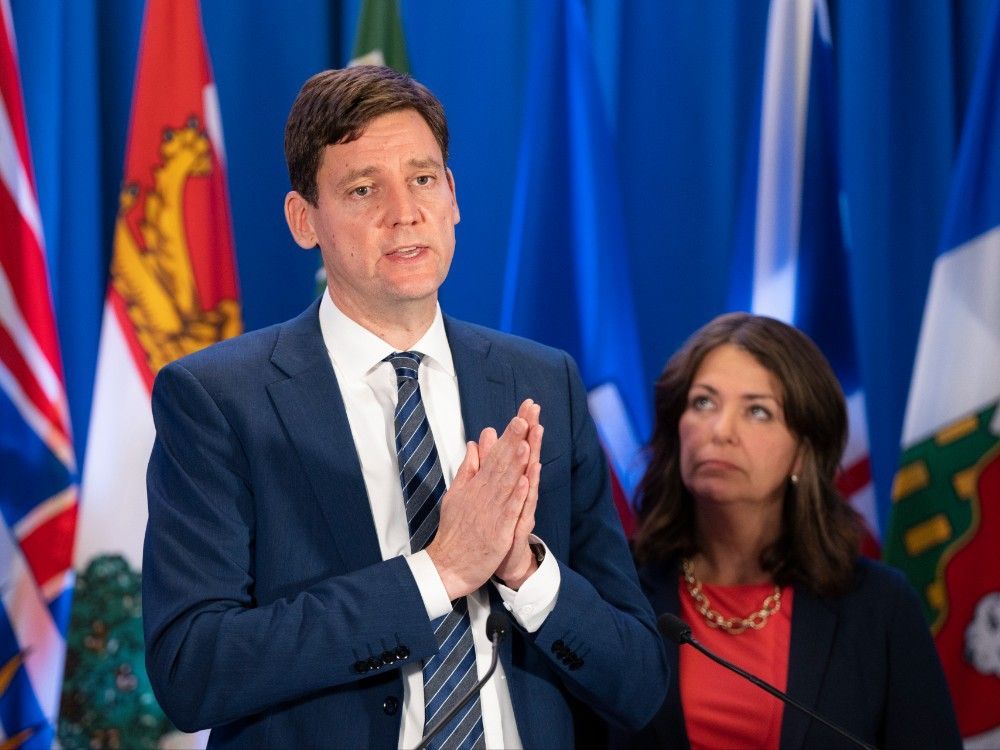
The B.C. government says it knows nothing about a rumoured deal between Ottawa and Alberta on a pipeline to B.C.’s north coast, with Premier David Eby telling reporters he learned about the negotiations through a news article.
In a statement Thursday, the premier said it is his understanding that First Nations in the region have also not been consulted by the federal government and that he would prefer to focus on projects like the Ksi Lisims LNG terminal and the North Coast hydro transmission line that have already been added to Prime Minister Mark Carney’s major projects list.
“Real jobs and prosperity are put at risk from this extremely early stage and unfunded proposal of a heavy oil pipeline. That’s something that B.C. and Canada cannot afford at this time,” said Eby, who has stated repeatedly in recent weeks that First Nations could reverse their support for these projects if Ottawa forces through an oil pipeline.
Haida President Gaagwiis Jason Alsop said there has been no consultation with coastal First Nations on the potential for a pipeline and that he hopes the federal government continues to keep the tanker ban in place, as the eight member nations of the Coastal First Nations and the province have asked them to do.
“In reality, it’s not a feasible project. It’s a non starter. And it is not something that’s again, supported by either the Coastal First Nations or by the British Columbia government,” said Alsop.
On Wednesday, the Globe and Mail said Ottawa was close to a deal with Alberta on a new energy accord, which would include language in support of a new pipeline from the oilsands near Fort McMurray to B.C.’s north coast along a similar route to the failed Northern Gateway project.
That project was cancelled in 2016 following widespread opposition from First Nations over the possibility of an oil spill in B.C. waters. Former Liberal prime minister Justin Trudeau subsequently brought in a ban on oil tankers along B.C.’s northern coast.
Carney and Alberta Premier Danielle Smith have been talking since last spring’s federal election about the possibility of a “grand bargain” that would allow a new heavy oil pipeline built in exchange for spending on decarbonizing the oilsands through carbon capture.
Will Greaves, Liberal MP for Victoria, said he and his colleagues have been told very little about the negotiations around a pipeline other than that B.C. and local First Nations need to be on board and that it must align with Canada’s climate goals.
Ellis Ross, Conservative MP for Skeena—Bulkley Valley and former councillor for the Haisla Nation, said that while he would support an oil pipeline, there is no proponent or official description of the project yet.
Smith has set up an advisory council of crude pipeline operators Enbridge, Trans Mountain and South Bow Corp. to design a project and submit it to Ottawa’s Major Projects Office. Alberta’s goal is to get the project designed and permitted before handing it off to the private sector.
Richard Masson, an executive fellow of University of Calgary’s school of public policy and former CEO of the Alberta Petroleum Marketing Commission, said that even if a pipeline project is included in a deal, it is highly unlikely it will ever come to fruition.
“There’s the idea about what would it cost after Trans Mountain cost $34 billion, there’s probably no private sector companies who are able to take on that kind of risk without a lot of government backing,” he said.
B.C. Energy Minister Adrian Dix said he would much rather work with Alberta on dredging the Burrard Inlet and use additional pumping stations to increase the capacity of the publicly owned pipeline they already have, instead of overturning the tanker ban and moving forward a project with no proponent.
B.C. Conservative Leader John Rustad said he has had conversations with Smith and Saskatchewan Premier Scott Moe on the potential for a new pipeline and knows the provincial government has been contacted by Alberta on the matter.
He called the premier’s comments that Ottawa forcing through a pipeline could jeopardize First Nations support for major projects such as LNG and mining “fearmongering” and that the province can’t do anything to block it.
“They can drive up costs. They can create delays,” said Rustad. “They can do all kinds of really nasty things, which is what this government seems to want to always do when it comes to prosperity. But they cannot block it.”
Green Leader Emily Lowan said Eby doesn’t have the credibility to oppose the pipeline as he has introduced his own fast track law for LNG projects.
She said that even if the project goes ahead, it will take a decade to build and there won’t be a market for it by the time it is done.
“I think it’s clear to say that B.C. would shoulder the environmental economic risk while the Alberta and federal governments get to call it a deal,” said Lowan.
Jeff Ferrier, a Framepoint Public Affairs founding partner and a former Ministry of Health communications director, said that each side is trying to get something different out of the talk about a pipeline and at the end of the day its mostly just political posturing.
As for First Nations, he said they’ve been doing all this work to scrutinize LNG and mining projects and then “out of the blue, someone drops this flaming bag of pipeline stuff on your front porch.”