 BURST
BURST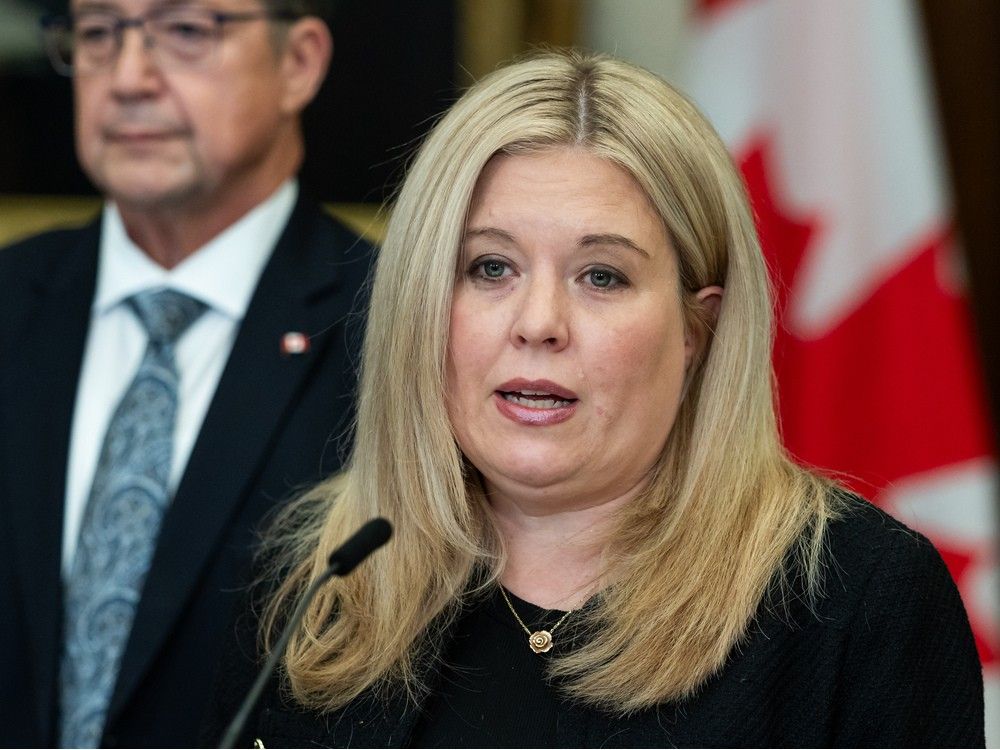
OTTAWA — A Conservative motion to restrict health-care benefits to failed asylum claimants was tabled in Parliament on Tuesday, with the projected cost of a federal health program for refugees expected to increase to $1.5 billion by 2030.
“Under the Liberals, the Interim Federal Health Program (IFHP), the program that provides benefits to asylum claimants, has morphed well beyond its initial intent of providing care to a small number of legitimate refugees who are fleeing to Canada from war zones into a massive boondoggle that provides care to bogus asylum claimants,” said Conservative Immigration Critic Michelle Rempel Garner, who tabled the motion.
The Parliamentary Budget Officer published a report earlier this month that broke down the rising costs of the IFHP, which has ballooned from $226 million in 2019 to $1 billion in 2025. The total projected cost is expected to climb to over $1.5 billion in 2030.
The PBO also projects that the number of beneficiaries will continue to grow and will reach over 680,000 eligible beneficiaries in 2029-30.
The program has basic and supplemental health care coverage. The basic coverage includes hospital services, services from medical doctors, registered nurses and other licensed health care professionals, ambulance services and lab and diagnostic services (such as blood tests and ultrasounds).
The supplemental coverage includes psychologists, occupational therapists, physiotherapists and speech language therapists, assistive devices like prosthetics, mobility aids and hearing aids, home care and long-term care, urgent dental care and limited vision care, medical supplies and equipment. The program also provides prescription drug coverage.
Rempel Garner’s motion calls on the federal government to review the program to find savings for taxpayers, restrict federal benefits received by rejected asylum claimants to emergency life-saving health care only, provide an annual report to Parliament of the IFHP program and pass policies to immediately expel foreign nationals convicted of serious crimes in Canada.
Immigration Minister Lena Diab told reporters that her government introduced a co-pay model in the federal budget, specifically for supplementary coverage. She also said her government will continue to uphold the constitutional, humanitarian and international obligations that Canada has as a signatory to the United Nations convention on refugees.
“We want to still protect those refugees and those people that are claiming the help and need from Canada that legitimately deserves to be protected, including the children,” she said. “We will continue to do that.”
Rempel Garner said it’s hard to believe a government that has failed to scrape back fraudulent COVID-19 pandemic benefits are expecting failed refugees on deportation orders, many of whom derive their income from social welfare, to pay back the costs of the IFHP. Even in the best-case scenario, Rempel Garner said Canadian taxpayers bear the brunt of the costs.
“The Liberals are proposing to set up a costly bureaucracy that would still force Canadian taxpayers to foot the bill for 70 per cent of the premium health care costs that failed asylum claimants incur,” said Rempel Garner.
On his way into a cabinet meeting, when asked whether the Liberals will support the motion, Government House Leader Steven MacKinnon said he doubted it.
“It’s very revealing to me that Conservatives went away for a week and tried to think of an issue, and the first thing they think of is to punch down at some very, very vulnerable people,” he said.
The current backlog of refugee claims stands at 299,960 as of January 2026, according to data by the Immigration and Refugee Board of Canada. Wait times vary based on the complexity of each case but can take anywhere from months to multiple years.
Rempel Garner said during that time, those applicants are able to claim all sorts of different benefits. One unanswered question is also the status of rejected refugee claimants who decide to appeal the decision, which represents an even longer process.
Diab said her government is making significant changes to refugee rules through its borders bill. One of those changes includes making refugee claims ineligible if they are made more than one year after the day of their entry to the country. This rule would be retroactive from June 24, 2020, and has been criticized by refugee rights groups.
Diab told a committee earlier this month that new rule would render about 19,000 of 50,000 asylum claims filed between June 3 and Oct. 31, 2025, ineligible.
“So, I’m looking very much forward to implementing the immigration provisions that are in that bill, which will help us protect our border, but also ensure that we reduce the asylum numbers by curbing the number of people that are coming and claiming fraudulently, but also protecting those that are really vulnerable and need Canada’s protection,” Diab said.
National Post
Our website is the place for the latest breaking news, exclusive scoops, longreads and provocative commentary. Please bookmark nationalpost.com and sign up for our newsletters here.