 BURST
BURST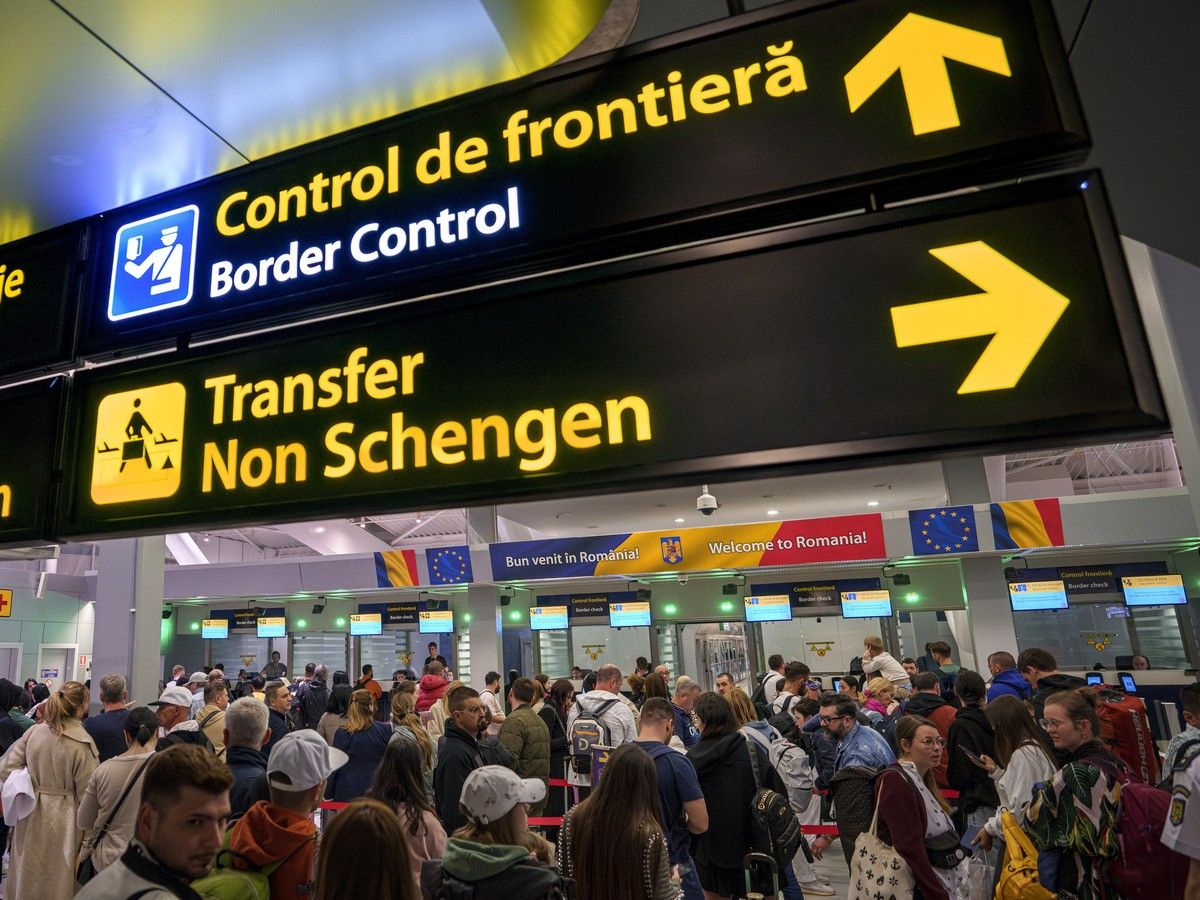
The European Union’s long-awaited Entry/Exit System (EES) has now come into full effect across 29 countries.
The system began a phased rollout in October 2025 and, as of April 10, is fully operational.
The EES applies to non-EU nationals (including Canadians) who are travelling for short stays of up to 90 days within any 180-day period in one or more countries in the Schengen Area.
The Schengen Area is a border-free zone in Europe that allows free movement among EU member states (with the exception of Ireland and Cyprus) as well as Iceland, Liechtenstein, Norway and Switzerland.
The Schengen Area doesn’t include the U.K., which has its own system called the Electronic Travel Authorization (ETA).
The EES replaces the manual stamping of passports at border crossings. Instead, biometric data, such as fingerprints and facial images, will be collected at the point of entry and stored for three years.
Borders are likely to have self-service kiosks where passengers can submit this information before proceeding to a border officer, who may ask additional questions about accommodation and return tickets, for example.
The system is free to use, and travellers are not required to pre-register.
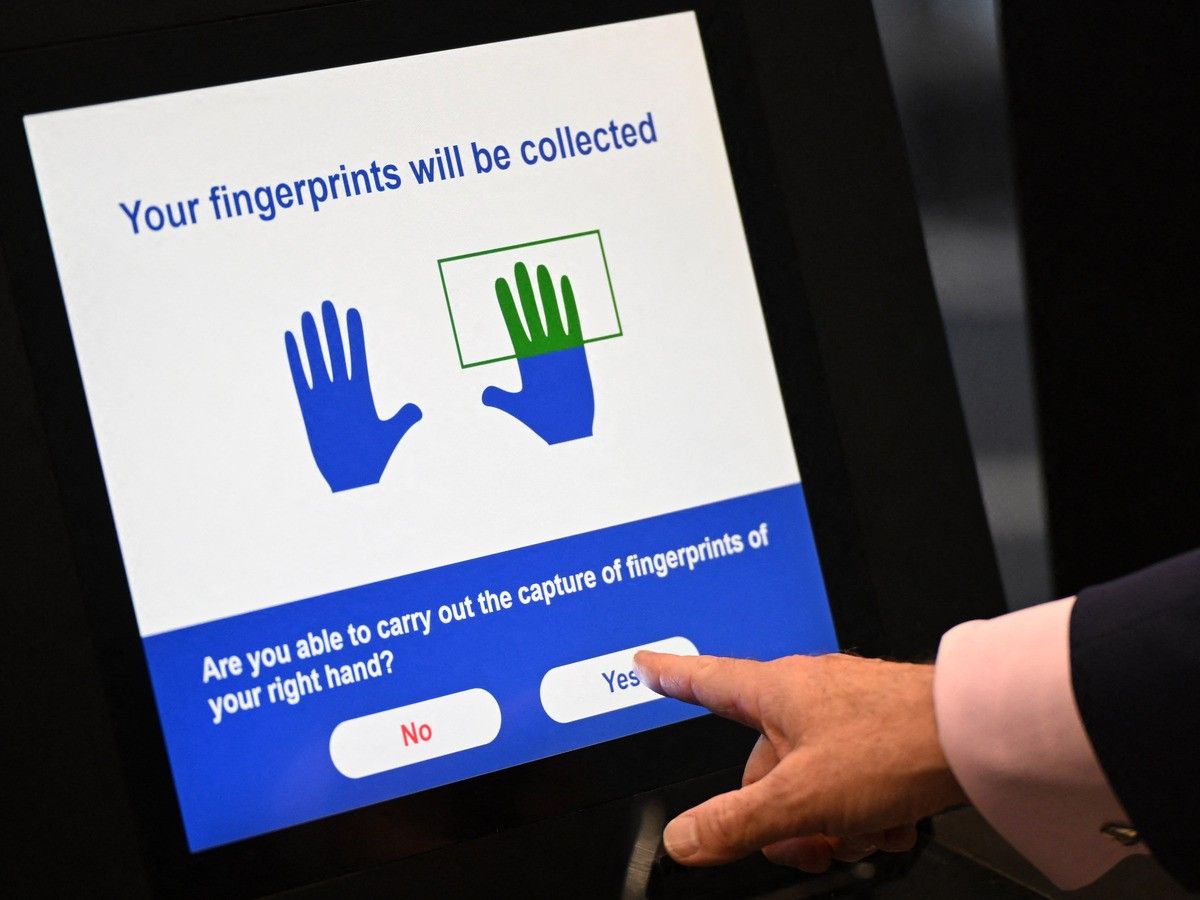
On future trips to the Schengen Area, visitors will not be required to resubmit their biometrics. Instead, passport control officers will verify previously recorded fingerprints and photos.
Children under 12 do not need to provide their fingerprints, but must still have their faces scanned.
The European Union says the new system makes it easier to identify those who overstay or are using fake passports, as well as shortening wait times by replacing time-consuming manual checks.
However, some travellers have experienced long waits at the border as a result of the EES rollout.
Thousands have been denied entry to the Schengen Area for reasons including expired or fraudulent documents, and almost 700 individuals have been identified as “a security threat” since the phasing-in of the new system, according to the European Commission .
Meanwhile, the Airports Council International (ACI), which represents more than 600 airports, reported that border control processing times increased by up to 70 per cent at airports where EES checks were already in place.
It also said wait times have reached as long as three hours during peak periods.
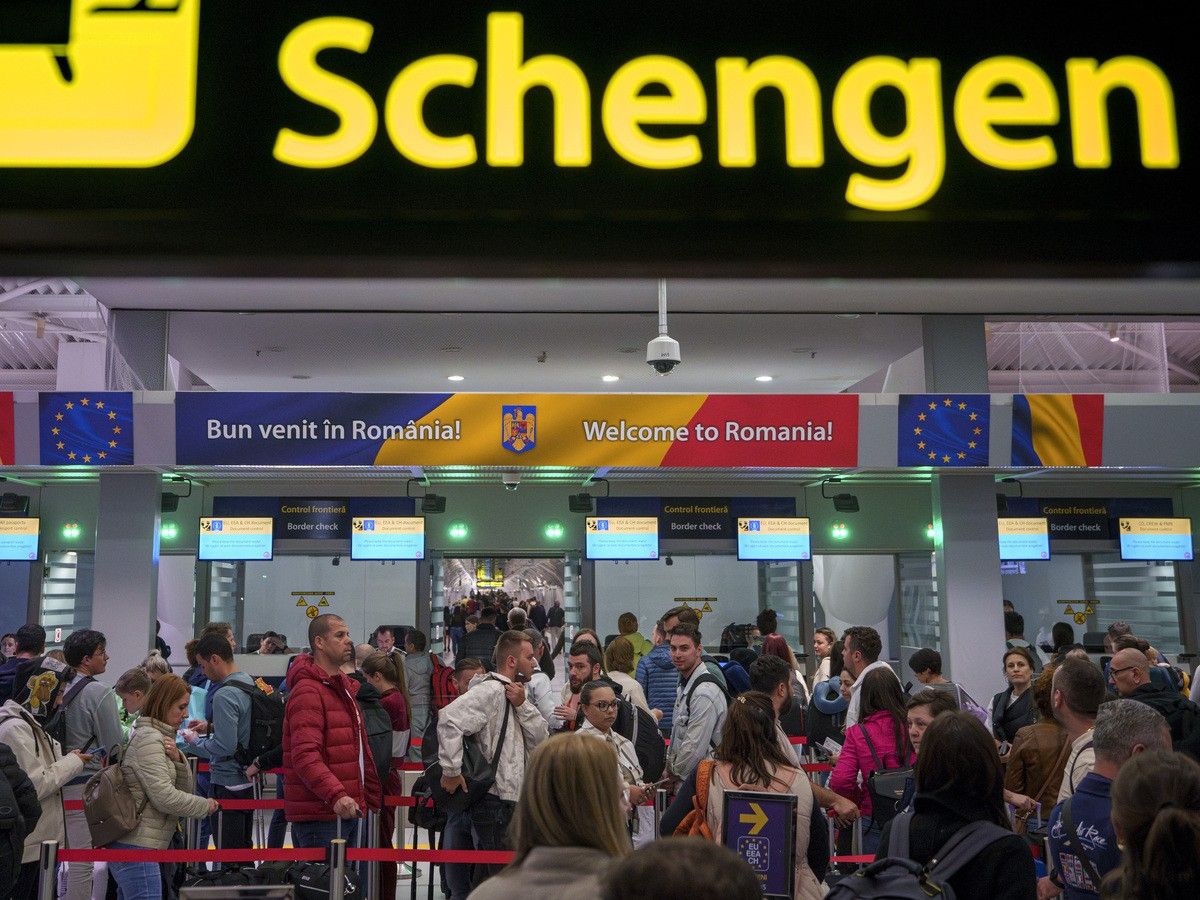
Previously, border control authorities were able to suspend the EES process during peak travel times, but as of today, this will no longer be permitted.
This means travellers should plan for longer wait times at European airports in the coming months as the system beds in.
The EES comes into effect amid the news that Europe is weeks away from a jet fuel shortage , as a result of the conflict in Iran , which would trigger further disruptions to airports and airlines.
Meanwhile, Europe is not the only region that collects biometric data from visitors.
Similar systems are also in place in the U.S., Australia, Singapore, Japan and even in Canada, where fingerprints and facial photos are collected for visitors who apply for temporary residence, permanent residence, refugee or asylum status, or to extend a stay in Canada — unless from a visa-exempt country.
Our website is the place for the latest breaking news, exclusive scoops, longreads and provocative commentary. Please bookmark nationalpost.com and sign up for our newsletters here.