 BURST
BURSTI was going to write about a brewing and important revolt in Hollywood against the Paramount deal, but just now, a jury in New York City ruled on state and Federal charges that Live Nation/Ticketmaster is an illegal monopolist. There were multiple counts involving different markets, including amphitheaters and concert ticketing, as well as state claims. The jury found the company liable on all of them. Ticketmaster’s counsel, Dan Wall, told our correspondent Gigi Liman the company is “disappointed but there’s a lot more game to play.”
I won’t do a lot of context here. If you want more background, I previewed this decision in my piece on Sunday, going through the history of the company. It’s been 16 years since the original toxic merger of Live Nation and Ticketmaster, and 32 years since the iconic fight between Pearl Jam and Ticketmaster. The Biden administration filed the case, Trump tried to sabotage it, but state attorneys general kept at it. And won. Here’s their main lawyer, Jeff Kessler, celebrating the decision.
So what now? Well the next stage is the remedy phase, and the judge, Arun Subramanian, will hold a mini-trial to figure out what to do, including calculating damages and penalties, as well as choosing whether to break up the company. Legally, the Supreme Court has said judges must ‘terminate’ an illegal monopoly when they find one, but they often don’t do that out of fear of ruining a viable enterprise. However, this case is uniquely suitable for a break-up. Not only did the plaintiffs call for one in the original complaint, but the company’s brands are separate and the business lines are distinct. So it’s not hard to do.
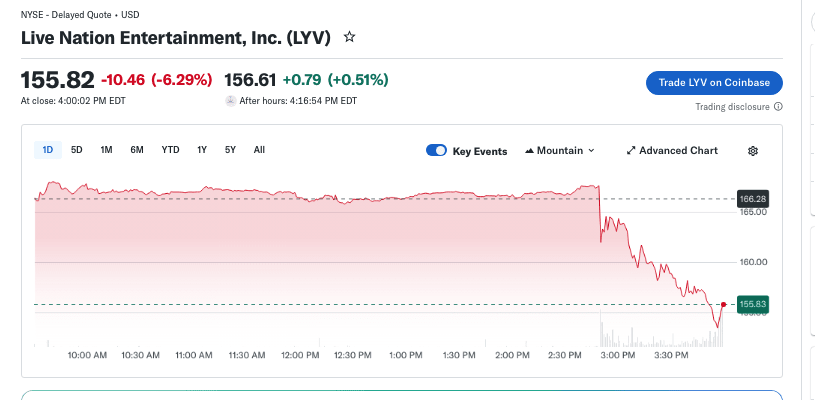
It is always possible, of course, that we will win this battle but lose the war. Live Nation will ask for the judge to throw out the verdict on technical grounds, and they will also appeal. The stock is down, as investors know that it’s going to take time to affect profits. That said, there are a host of state laws involved here and the penalties could be quite significant. And follow-on litigation from other injured private parties just became a lot easier.
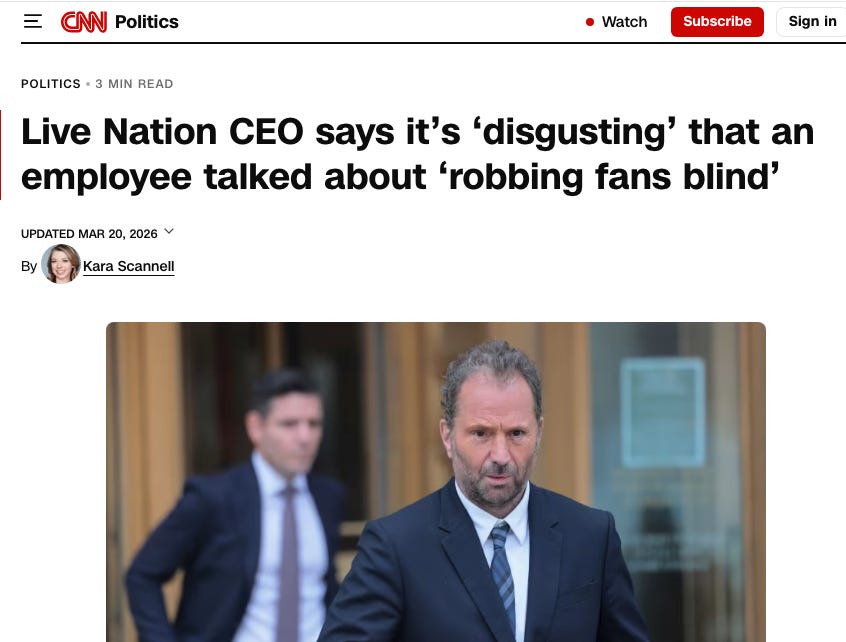
Taking a step back, there are multiple implications of this decision. First, juries do not like big business, and are willing to rule against them. As one of the more connected enforcers I know put it, “I love a spiteful jury that detects corporate bullshit.” It’s not hard to see why.
Second, state attorneys general matter now on antitrust law in a way they never have. The states are on their way to blocking the Nexstar-TEGNA merger, they just won this case, and they are likely to file a case against Paramount-Warner.
Third, the anti-monopoly movement has bagged an important scalp. Ticketmaster was an iconic symbol of corporate lawlessness; the fact that they are now liable for lawbreaking says to all Americans that justice is possible against the powerful.
This victory matters. And it’s your victory. If you read BIG, if you talk to people about monopolies, if you learn, well, that helps in its own way to build a better society. Congratulations. There is no official opposite to the word disillusion, but today we need one. I’m re-illusioned.
Thanks for reading! Your tips make this newsletter what it is, so please send me tips on weird monopolies, stories I’ve missed, or other thoughts. And if you liked this issue of BIG, you can sign up here for more issues, a newsletter on how to restore fair commerce, innovation, and democracy. Consider becoming a paying subscriber to support this work, or if you are a paying subscriber, giving a gift subscription to a friend, colleague, or family member. If you really liked it, read my book, Goliath: The 100-Year War Between Monopoly Power and Democracy.
cheers,
Matt Stoller