 BURST
BURST
Modular housing could be a piece of the puzzle as Metro Vancouver aims to reduce the significant amount of construction waste that still clogs up the region’s landfills.
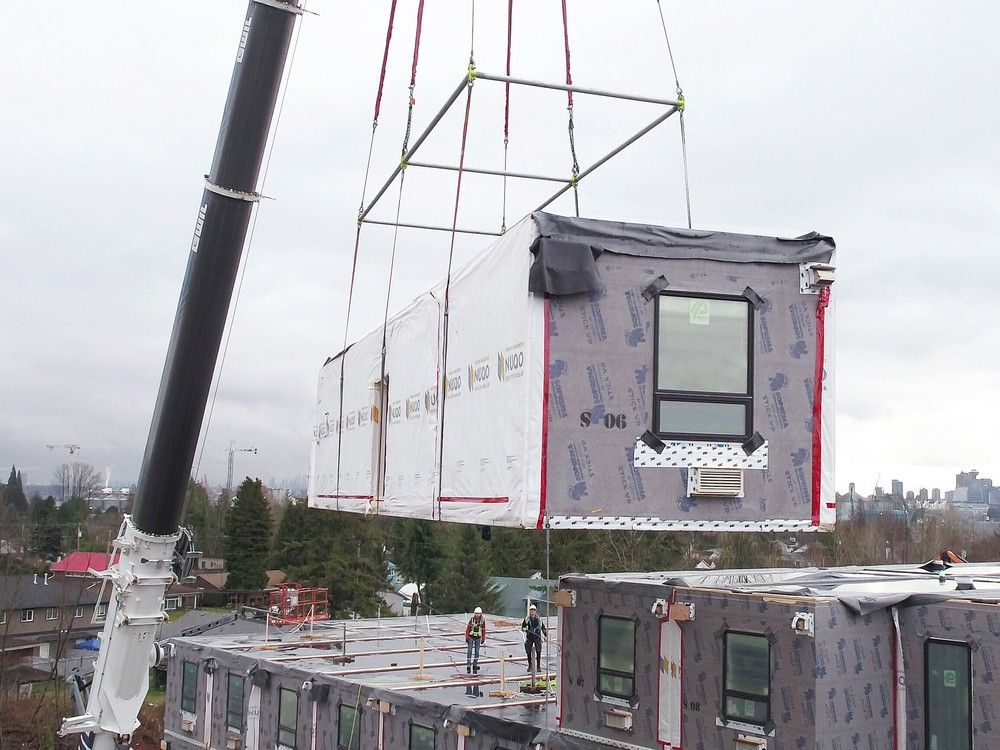
Rory Richards, who heads an Indigenous and female-led construction team called NUQO Modular in North Vancouver, says that because modular housing isn’t built on-site, it reduces construction waste by up to 90 per cent.
“With modular construction a project can be done in half the amount of time. So it’s a much more efficient way to build. It’s the same construction methods, it’s the same (building) code, it’s the same material, except it’s done in a factory and not outside on-site,” said Richards ahead of speaking at Metro’s Zero Waste Conference on Thursday.
“In a factory environment, if you have additional materials and supplies, you just put it back on the shelf and you use it for another project. When you’re out on a construction site, there’s nowhere to put anything back, so often it just gets thrown away.”
A Coast Salish woman of the Sechelt First Nation, Richards’ goal was to build a company that made sustainable and climate-resilient housing and highlight the work of Indigenous people, and women, who make up more than 50 per cent of her team.
“We have an immense shortage of people working in trades in Canada … so we lament about trade shortages but women only make up six per cent of trades.”
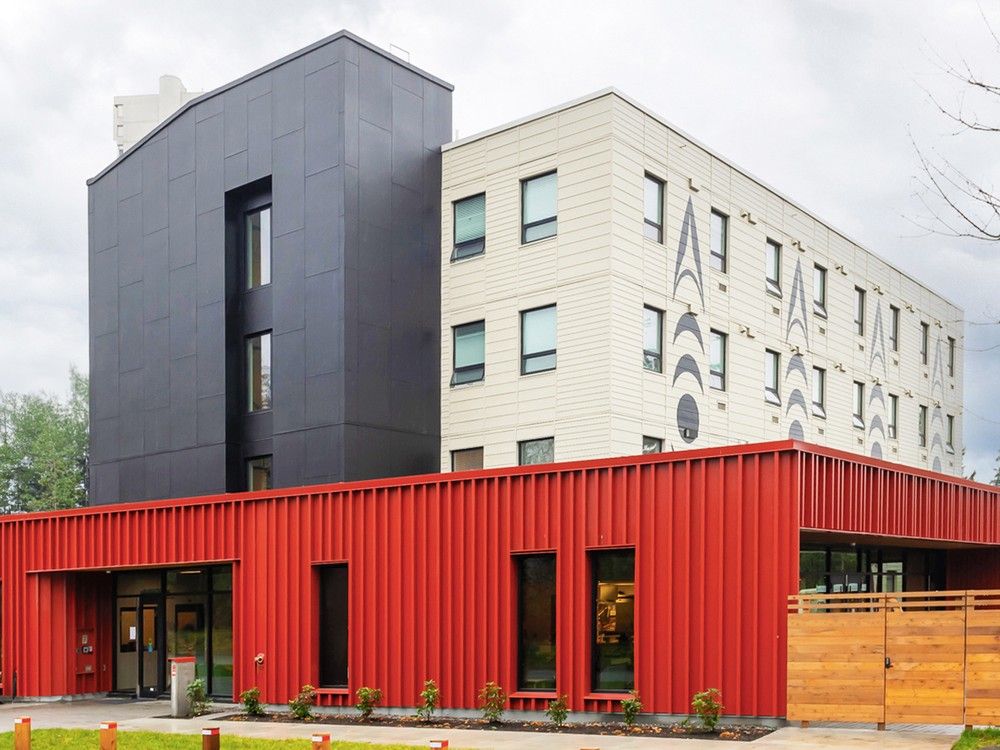
She said she’s heard from women in trades that they don’t feel safe on a construction site, but with modular it’s more of a corporate environment.
There are still challenges. It’s still more expensive to build modular but Richards compares the process with electric vehicles and says as the technology evolves and the demand grows the prices will come down.
“They might not be cheaper but they are faster because in a traditional building you have to lay your foundations and do all of your civil work before you can start building on top of that. But in a modular construction build, you’re building in the factory while you’re simultaneously doing the groundwork. So those two processes happen at the same time. You don’t have to wait for one to be finished to start the other,” said Richards.
Richards’ company has also reduced its carbon footprint by building the modular housing locally in factories in B.C. and Alberta as opposed to overseas.
Construction and demolition waste accounts for one-third of total solid waste in Metro, according to the regional district.
About 3,000 to 4,000 homes per year are demolished in the region, with wood and plastic making up the majority of the waste.
Municipalities each have their own set of bylaws and procedures that govern construction and demolition activities, including salvage and recycling requirements but Metro advocates for companies to reduce and reuse building materials.
Modular housing not only helps address the region’s construction waste issue, but Richards says it can also help ease the housing and child-care crunch in B.C., which has some of the country’s worst housing challenges. The province is home to only about 14 per cent of Canada’s population, yet it has three of the country’s four most expensive rental markets.
For example, NUQO is building a large child-care centre in West Vancouver and working on the construction of a 43-unit apartment building in Burnaby.
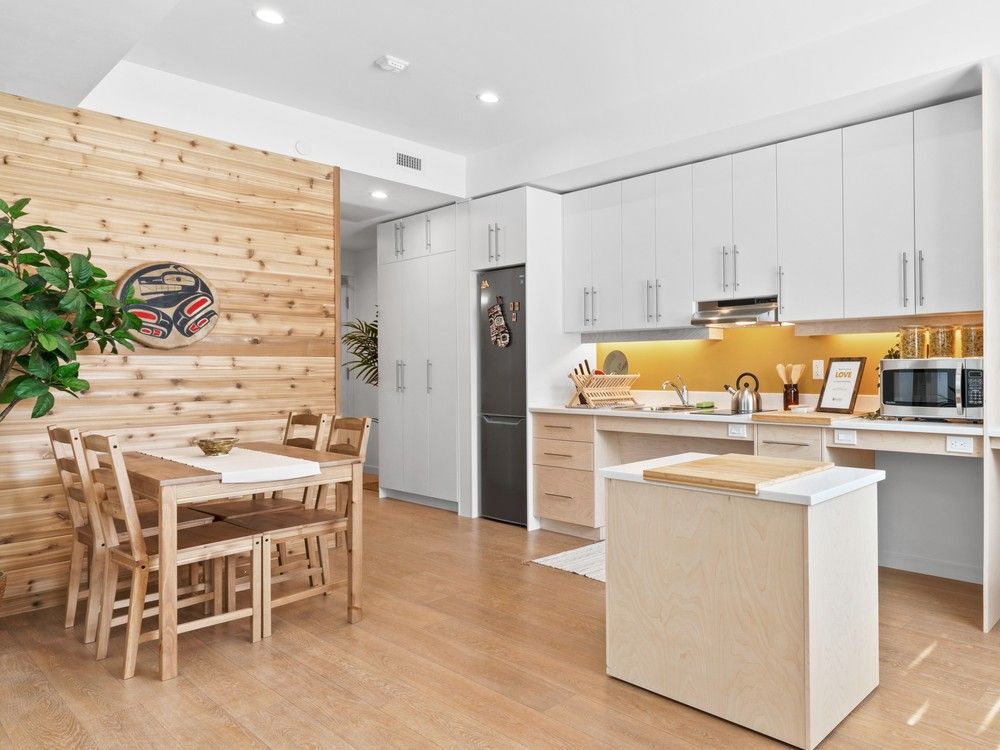
The Canadian government is onboard with using more modular housing to help with the country’s affordable housing crisis. Under its Build Canada Homes plan, it’s contributing $13 billion to fast-track 4,000 homes using modern methods like modular construction.
The government has pledged to boost factory-built housing by helping Canadian manufacturers scale-up operations, and strengthen supply chains, and prioritize projects that use Canadian lumber, steel, aluminum and mass timber.
With files from Dan Fumano