 BURST
Venus is at its most dazzling in the predawn sky this week as it shines close to the bright star Spica in the southeast. Here's what you need to know.
As an inner planet, Venus never strays far from the horizon, at least compared to outer planets like Jupiter and Mars which can be visible all night long during opposition, when they shine opposite the sun in Earth's sky.
Instead, Venus alternates between morning and evening appearances. All the while, its shifting moon-like phases and ever-changing proximity to Earth causes its brightness to wax and wane.
When is Venus at its most dazzling?
Venus will reach peak brightness during its current morning apparition at 1:37 p.m. EST (1837 GMT) on Nov. 27 according to the astronomy website In-The-Sky. Stargazers in the U.S. could get an incredible view of Venus in the predawn hours of the coming week, as the planet climbs into the southeastern sky ahead of the rising sun, with Mercury clinging close to the horizon below.
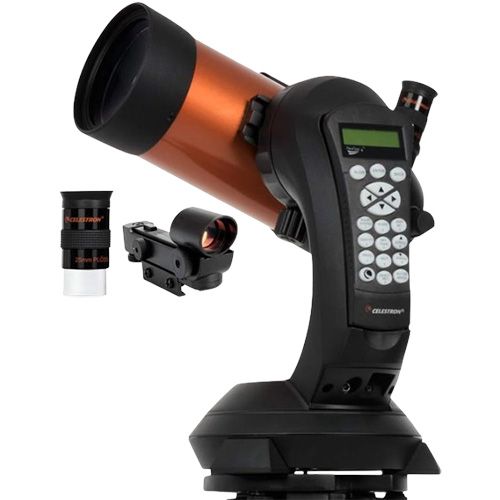
This is a fantastic go-to telescope with a 4-inch aperture and can help you quickly find a steady view of the moon. For a closer look at craters and the terminator, make sure to grab a 9mm or 12mm eyepiece and get stronger magnification.
_
The bright star Spica will glow less than five degrees away from Venus before dawn on Nov. 27 — roughly the width of your three middle fingers held at arm's length against the night sky.
Spica is a double system of two stars that orbit one another once every four days. Its stars are separated by just approximately 11 million miles (less than 18 million kilometers), making them far too close to split visually with even the most powerful amateur equipment. However, the system still makes for a dazzling target, appearing as a magnificent blue-white star when viewed through the eyepiece of a 4-inch telescope.
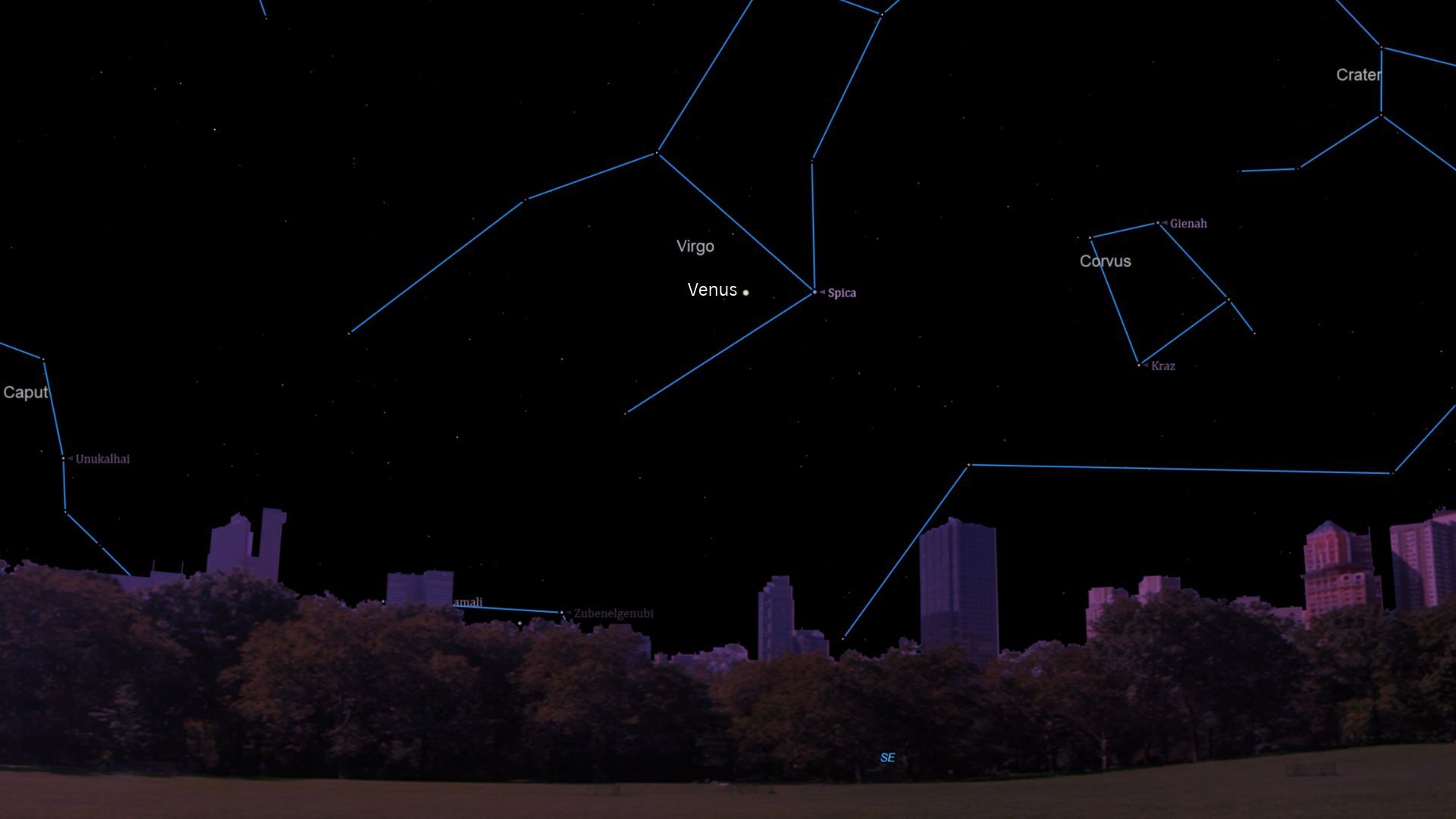
Check that the sun is safely below the horizon before turning your telescope on Venus to observe a crescent of light playing across the planet's dense atmosphere. Over the coming weeks and months, Venus will appear increasingly illuminated as it moves farther away from Earth in its orbit, while its apparent size through a telescope will gradually decrease.
Want to get a closer look at the planets of the solar system and the stars beyond? Then be sure to check out our roundups of the best telescopes and smart telescopes for observing the night sky.
Editor's Note: If you would like to share your astrophotography with Space.com's readers, then please send your photo(s), comments, and your name and location to spacephotos@space.com.