 BURST
BURST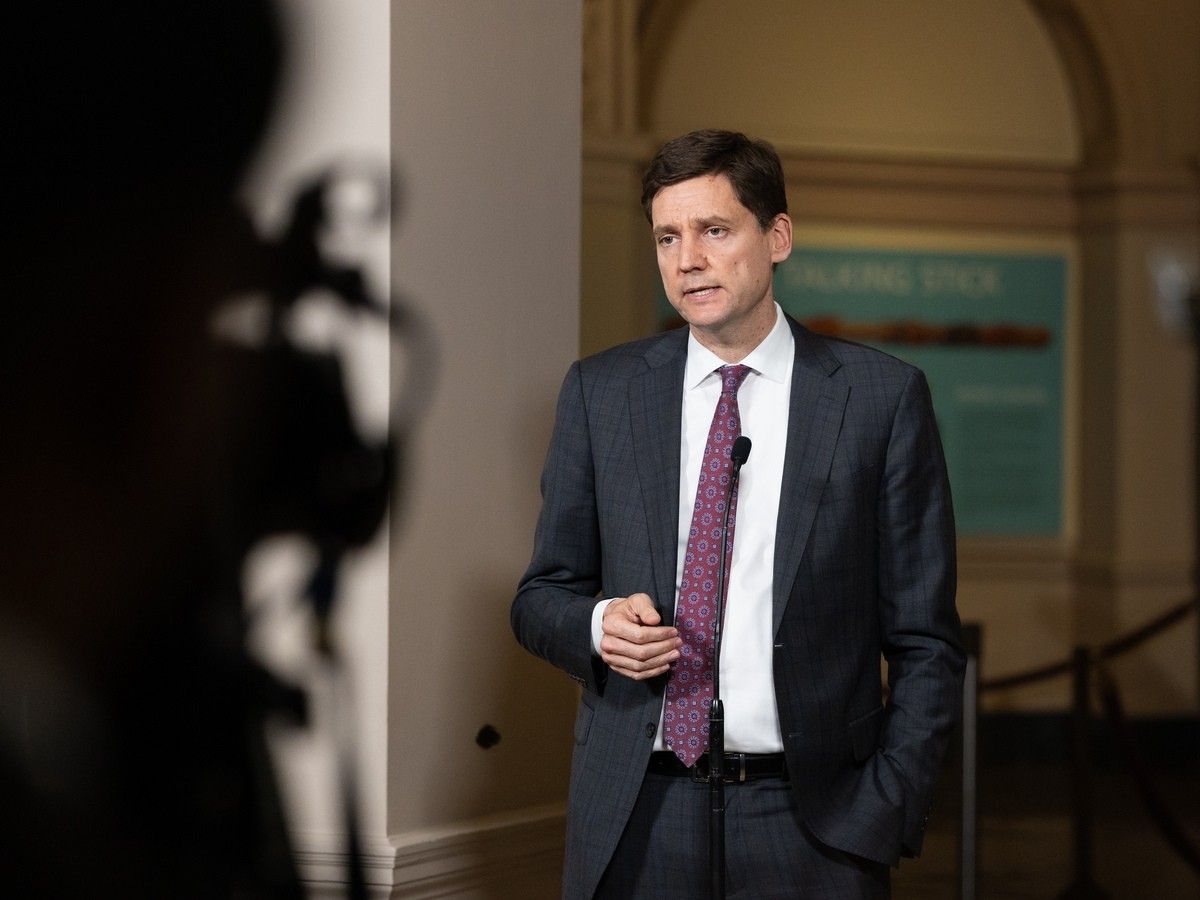
B.C. Premier David Eby insisted Monday he could have amended the province’s signature reconciliation law if he wanted to, but chose to chart a different path suggested by his attorney general.
Eby said debate around the Declaration on the Rights of Indigenous Peoples Act is the toughest challenge he’s had to deal with in government and acknowledged that it has taken him a number of tries to get it right.
“This has been, if I can speak frankly, probably the most challenging issue I’ve worked on in government. It is absolutely possible, as a leader, to move off confidently in the wrong direction,” said Eby.
“I believe we had the votes. I believe we were able to do that. But my commitment to British Columbians, to First Nations leaders, and to others is, if there is a path for us to do that together, then I want to take it so we’ll take the time to sit down together and try to find that path.”
Eby said his government had been ready to introduce legislation on Monday that would have suspended DRIPA. However, he said Attorney General Niki Sharma had been making calls to First Nations leaders and came to him last week with another option.
The premier said that he then met with First Nations leaders virtually on Sunday along with Sharma and Indigenous Relations Minister Spencer Chandra Herbert, with the two sides agreeing to “genuine collaboration to find solutions as soon as possible, and before the fall legislative session.”
Eby has been grappling with dissent from his caucus and anger from First Nations over his plans to either amend or suspend DRIPA. The premier has argued that DRIPA, in its current form, leaves the province open to litigation.
In December, the B.C. Court of Appeal ruled in favour of the Gitxaała Nation that the Mineral Tenure Act was inconsistent with DRIPA and needed to be changed.
The government has said that 20 lawsuits against the province have already been amended after the Gitxaała decision and that if DRIPA were left unchanged, other laws were vulnerable to being shot down by the courts.
After initially promising amendments to DRIPA, Eby proposed a suspension of most of DRIPA for three years while the province appealed the B.C. Court of Appeals decision. He made that switch after a meeting with First Nation leaders on April 2.
He said those changes were “non-negotiable” and initially made it a confidence motion before backing down after Vancouver-Strathcona MLA Joan Phillip, whose husband is Grand Chief Stewart Phillip of the B.C. Union of Indian Chiefs, told Eby she couldn’t support any changes to DRIPA.
According to sources who spoke to Postmedia on the condition of anonymity, at least 10 MLAs voiced concerns about the possible suspension or amending of DRIPA at a caucus meeting on April 11.
Jeff Ferrier, founding partner of Framepoint Public Affairs, said the premier has done the right thing.
“The strategy today seems to be like a cold plunge in an ice pool to try and dampen a flaming hot issue that the government’s dealing with,” said Ferrier. “What he’s done here is to take a step back from the precipice.”
Robert Phillips of the First Nations Summit said he is glad the province backed down on the proposed suspension of DRIPA and said it was clear that Eby did not have the support of his own caucus.
He said he believes a letter sent by the First Nations Leadership Council to MLAs on Sunday was the deciding factor in getting the premier to back down.
“What we’ve seen was unilateral actions, but now with the premier taking it back and not moving forward with the amendments or the suspension of DRIPA, we will be looking at getting back to the negotiating table,” said Phillips.
“This is important, because we have to have ongoing dialogue. We have to put everything on the table. We have to facilitate some sort of agreement so that we will have certainty in British Columbia that would not only be economic certainty, but certainty as well as in terms of reconciliation with First Nations.”
Former Green MLA Adam Olsen, who was in the legislature in 2019 when DRIPA was passed, said that the back and forth on DRIPA is an issue of leadership.
Olsen, who is a member of the Tsartlip First Nation, told reporters that the legislature needs to once and for all deal with the question of Indigenous rights and title that wasn’t handled when B.C. became a British colony nor when it joined Confederation.
“There’s been many premiers in this province. There will be many more premiers in this province. And First Nations, Indigenous people, have been here since before the very beginning. And First Nations people will continue to be here long after any premier,” said Olsen.
“This needs to be an institutional moment. This needs to be all of this place. Every member of this house has a responsibility to all British Columbians, including First Nations people, to get this relationship right.”
B.C. Conservative interim leader Trevor Halford agreed with Olsen that the issues around DRIPA fall squarely on Eby’s shoulders. He said his party’s position remains that DRIPA needs to be repealed altogether.
“I know government is hard and leadership can be hard, but at the end of the day, the premier has made an absolute mess of the situation, and British Columbians and First Nations are suffering because of it, and at some point it’s got to stop,” said Halford.