 BURST
BURST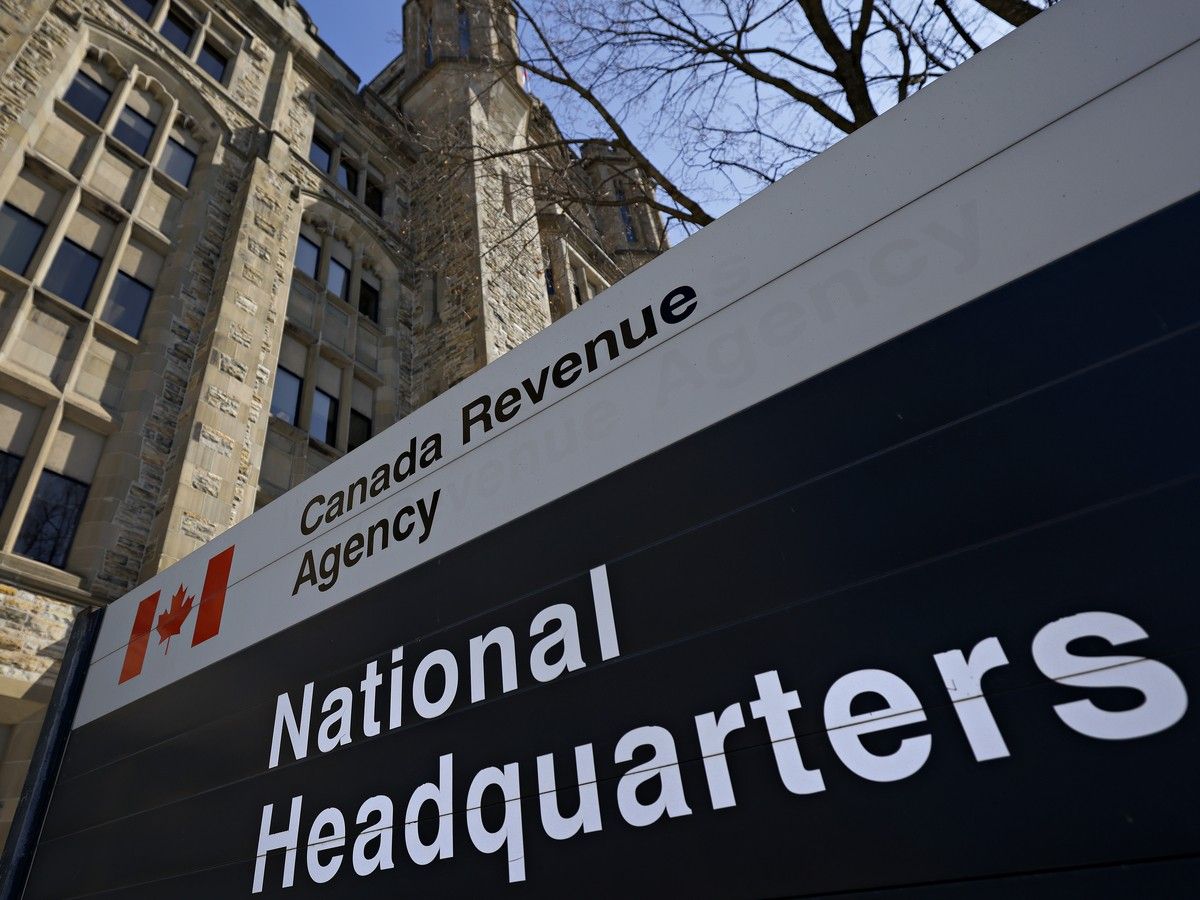
Scammers regularly try to convince their intended victims that they are from the Canada Revenue Agency, says the CRA.
As a result, the agency has issued guidance aimed at protecting the public.
“Know when to be suspicious,” the CRA says. For example, a scam could arrive as a text notification promising your tax refund. That’s one of the latest cons, with tax season recently ended. But the CRA is clear that it “will not” send refunds other than by official means. That includes direct deposit into your bank account or a cheque mailed to your home.
Meanwhile the CRA says it will not request payment by e-transfer or phone. Nor does the agency accept payment by cryptocurrency, prepaid credit cards or retail gift cards. Instead, payments are to be sent securely, for example through CRA My Payment . Some banks and credit unions allow the CRA to be added as bill payee. And then there is the old-fashioned option of mailing a cheque.
The CRA insists that it will also not threaten to arrest you or set up a public meeting to collect payment.
Most of all, the CRA will not ask for personal or financial information in a voicemail or email.
That’s not to say the CRA doesn’t contact taxpayers by phone, automated message or email.
During a phone call with a CRA agent, you could be asked for personal information to verify your identity. You could also be asked for banking information. But before you provide any personal or financial information, you are urged to “verify it’s the CRA calling” by taking the person’s name and phone number. You can verify a number as being from the CRA using the agency’s confirmation tool.
The only time the CRA will send a text is as part of its multi-factor authentication sign-in process.
The agency urges Canadians to be wary of fake websites, which use look-a-like web addresses that will have extra words (for example, cra-login-canada.com, cra-account-notice.info, crareturnreview.cfd), unusual endings (.info, .su, .sfd, .com), extra characters or unusual abbreviations (crra, c-ra, carev, revagency).
“The official website for the CRA uses web addresses that either start in canada.ca or end in cra-arc.gc.ca. If it doesn’t, it could be a fake website pretending to be a CRA website,” says the agency’s guidance.
In its tips on how to avoid fake sites, the CRA urges: “When in doubt, don’t click! Since scammers want you to click on links, forms, or attachments, they usually send a message to try and trick you into clicking on a link. If you are ever unsure about a message you received, contact the department … directly.”
Here are some of the latest scams:
Tax refunds: A text message of an image with the Government of Canada logo claiming to be from the Canada Revenue Agency offering a refund by Interac e-transfer deposit. A separate text message will contain a link to an impersonation of your bank’s sign-in portal. Don’t fill it in.
Grocery rebate scam: There was a specific “grocery rebate” program but that was back in 2023. For the new Canada Groceries and Essentials Benefit eligible recipients need to file their 2024 and 2025 tax returns. Do not click on any links, provide information, or reply to messages asking you to apply for any Grocery Rebate. Get current information about federal government programs from Canada.ca
Low-income seniors scam: A scam aimed at seniors is claiming the CRA is sending extra payments to low-income seniors. Websites with false information describe benefits. Some may contain links to join the Telegram or WhatsApp instant messaging groups. The CRA advises seniors not to click on any links or join any instant messaging group. Instead, refer to official federal government web pages for correct information.
Canada Pension Plan scam: This involves fraudulent text messages claiming to be from the CRA. The message will refer to a recent tax assessment and ask the taxpayer to respond “Y” for yes to resolve an issue. The scammer then sends the recipient a fake CPP-related hyperlink, which takes them to false CRA and banking websites, asking for personal information to enable the scammer to later sign in.
Identity theft to enable fake tax returns: Scammers try to use personal information to file fake tax returns and collect refunds. You may notice this scam due to a CRA email saying your account has been modified. Or perhaps you encounter a delay in receiving credits or refunds or difficulty filing your tax return online. Check your account for unauthorized changes and contact the CRA as soon as possible.
Fake charitable donation scam: The CRA regulates registered charities in Canada. It says scammers are pretending to be from a real registered charity or asking you to donate to a fake charity to nab your money and/or information. You can report suspected scams by calling the CRA at 1-866-809-6841.
Cryptocurency scam: In this one, the scammer connects by phone, claiming to be from the CRA and requesting money be transferred by cryptocurrency to cancel a Royal Canadian Mounted Police warrant for your arrest. Then the scammer calls, pretending to be an RCMP officer providing instructions on how to transfer money to cancel the arrest warrant. They promise to return your money once your name is cleared.
Our website is the place for the latest breaking news, exclusive scoops, longreads and provocative commentary. Please bookmark nationalpost.com and sign up for our daily newsletter, Posted, here.