 BURST
BURST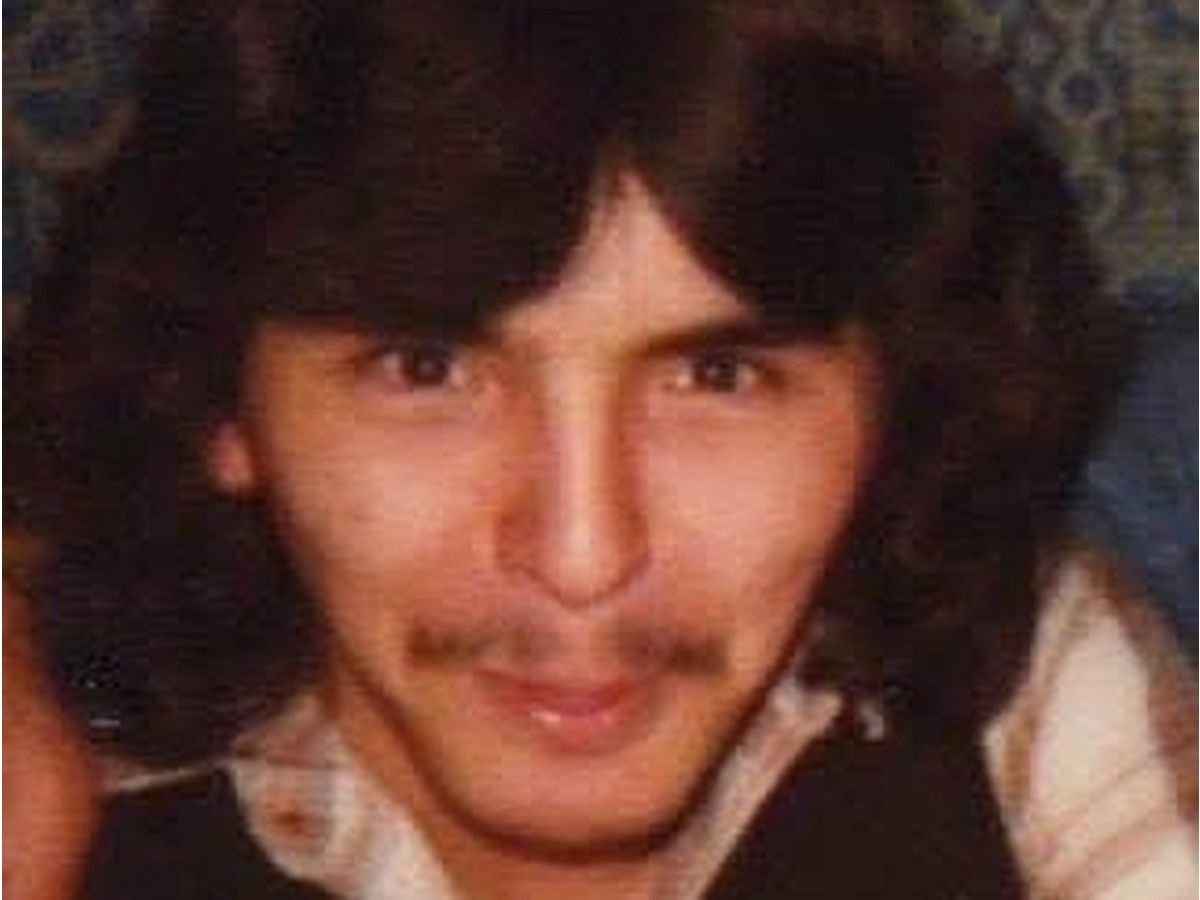
A jury of a coroner’s inquest into the death of a 61-year-old man in Surrey, who was shot and killed by RCMP outside a rooming house, has recommended reviews of provincial policing standards to ensure proper assessments during wellness checks.
The jury ruled Jimmie Johannesson’s death a homicide.
Johannesson, who was of Haida Nation ancestry, was shot and killed outside a rooming house in the Whalley neighbourhood on April 8, 2022. The police were there to conduct a wellness check after Johannesson’s probation officer told police he had threatened to go to city hall and shoot himself.
The jury made seven recommendations , including that the Ministry of Public Safety and Solicitor General review and ensure standards and training require police to conduct ongoing risk assessments throughout mental health wellness checks, including where there are threats to public safety such as firearms.
The jury added the province should ensure police officers are aware of the circumstances in which lethal overwatch is required when Tasers are used, and ensure the presence of civilians are considered during wellness checks.
And the province should also ensure training for mental health outreach officers integrates standardized mental health training.
Also recommended was that officers involved in investigations carried out by B.C.’s Independent Investigations Office, which probes police actions that result in deaths or serious harm, be made aware of recommendations that agency makes.
And there should be meetings between police leadership and the IIO to discuss recommendations and determine if future internal policies need to be developed or revised.
The jury also called on the B.C. housing ministry to identify support for Indigenous individuals who face barriers while navigating applications for housing.
Johannesson’s sister, Ruby Marks, who attended the weeklong inquest, said in a written statement that overall she was happy with the jury recommendations, adding there needs to be more collaboration with First Nations when it comes to police reform.
She said she hoped the government will implement the recommendations in a meaningful way to prevent future harms.
Added Marks: “I wish the police officers involved would have taken the time to get more background information about Jimmie’s mental health before entering his home. I wish they would have taken the time to call his cellphone first. I keep thinking if the mental health outreach team had been more involved in developing the response plan, maybe my brother would still be here.”
The outreach team is meant to have experience dealing with mental health crises.
A coroner’s inquest is not designed to find fault but instead determines facts and makes recommendations to prevent future deaths under similar circumstances.
The public safety ministry said Thursday it is waiting for the full coroner inquest report — which contains the entirety of information, evidence and details of the recommendations — when it will review the findings and determine next steps.
The housing ministry said it will also review the recommendations and assess changes.
During the inquest, the jury heard that with the help of another resident, the RCMP were able to get in to the rooming house, where they called out to Johannesson who was in a hallway.
He charged the RCMP with a large knife, and the police and the resident fled outside. Johannesson continued out a door and was shot by an RCMP officer five times.
An officer who had a Taser was unable to use it in the confined space of the hallway and in the short interaction with Johannesson.
Johannesson had suffered a major health issue, a stroke, was hospitalized, and then faced eviction and spent at least two months looking for new housing. Although it’s unclear how long he didn’t have a permanent home, it was at least a week before he was shot and killed.
The jury also learned that Johannesson suffered from various mental health conditions, including anxiety, depression and substance abuse.
The RCMP did not find a firearm that Johannesson said he would use.
The B.C. Civil Liberties Association, which also attended the inquest, said the evidence and testimony made it clear the police officers involved did not adequately use the tools and resources at their disposal when they were dispatched to the rooming house.
Among its concerns, said Latoya Farrell, a policy staff counsel for the association, was that when Johannesson’s probation officer contacted RCMP to conduct a wellness check, the officers made no attempt to contact the probation officer for background information that could have informed their response during the 13-minute window from being dispatched to reaching the rooming house.
After arriving on site, Farrell noted the officer’s took minimal time to plan their approach, while the most senior officer, a sergeant, was posted at the back of the home, and two members of the police mental health outreach team did not contribute to any planning.
She noted that officers were dispatched to the rooming house because Johannesson’s cellphone pinged there, but no officer called his phone to make contact. The jury heard that officers were concerned about alerting Johannesson about their arrival.
Farrell added that it was 23 seconds from the time the police entered the rooming house to Johannesson being shot.
“For many people, the very presence of a police officer is a form of escalation. It is far easier to escalate the use of force than to de-escalate once tensions are high,” she said. “Jimmie was already in a heightened state of mental health crisis. There were several actions the officers could have taken first to better inform their response, but they didn’t.”