 BURST
BURST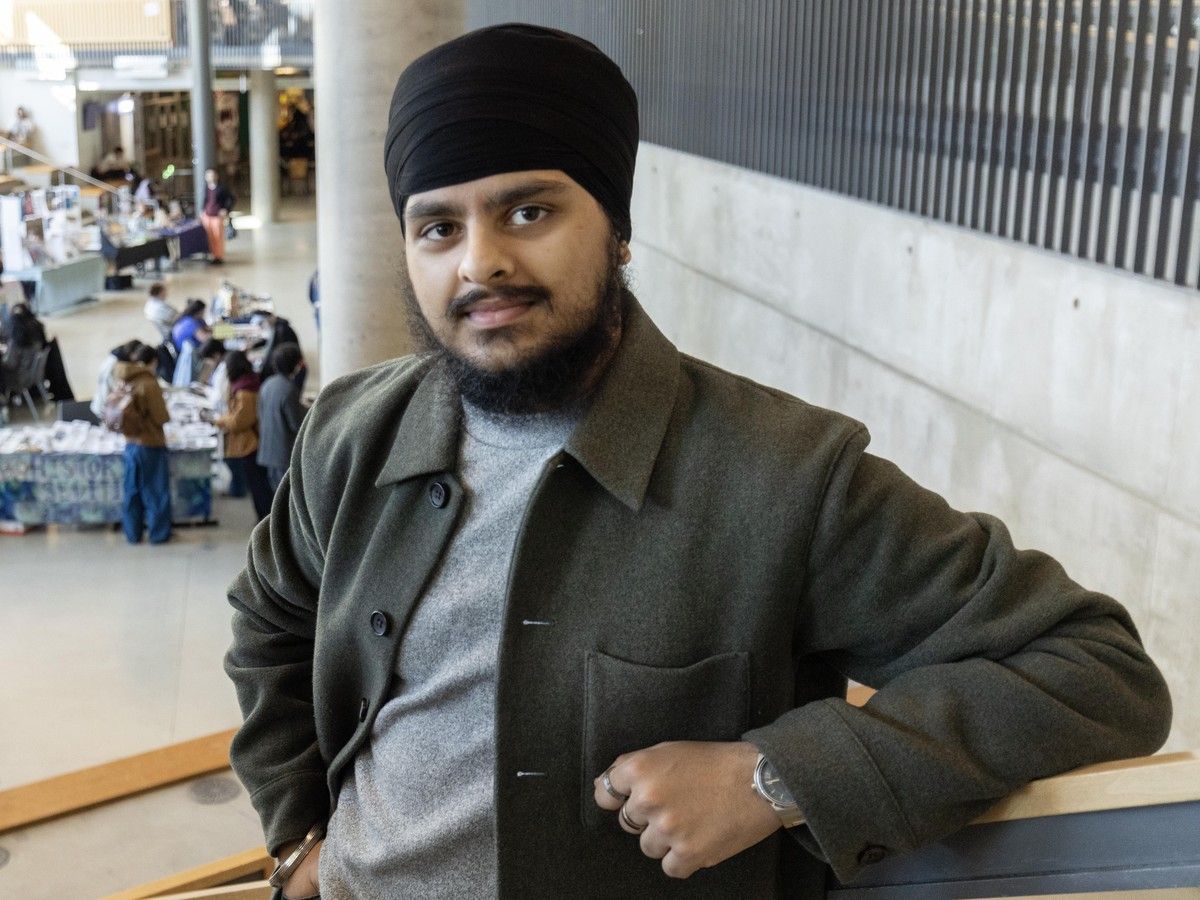
Even though extortion threats and shootings have slowed down in Surrey, a community leader says he worries that international students are still vulnerable to being recruited to carry out these crimes.
Mohkam Singh Malik, a member of the city’s livability, social equity and public safety committee, told Postmedia News that he’s had many conversations with international students and heard that recruiters are offering them around $10,000 to get involved in extorting people.
“Tuition is a lot more expensive than what they thought, it’s harder to get a job and that weight is bearing down on you, and then someone says, ‘If you just go commit this harmless crime, then you’re not going to get caught, and we’re going to pay you.’ You’re willing to take that risk,” said Malik.
Others are coming to Canada to solely commit crimes, he added, explaining that these people will already be gang-affiliated in India and come under a study permit as a “ruse.”
“Or you have family members in India that have been threatened by a gang, and they kind of coerce you into committing crimes,” Malik said. “If we make it a lot harder for the Bishnoi gang and others to recruit students, then it’s going to be a lot harder for them to commit these crimes.”
In January, Surrey had 10 extortion-related shootings , and one in February. So far in March, Surrey hasn’t had any extortion-related shootings. As far as individuals being threatened with extortion, March has had four cases as of Monday, police statistics show.
Malik has been pleased with recent work by police to do outreach with international students in Surrey.
“They’re doing some work at Douglas College and KPU (Kwantlen Polytechnic University) and really saying to people, ‘You shouldn’t be doing this. Your family has sacrificed so much to bring you here. Don’t let them down.’ And just anecdotally, we see that that’s working,” Malik said.
Surrey Police Chief Norm Lipinski commented on that a recent police board meeting, saying there is a focus now on preventing more extortions and related shootings that have been targeting Punjabi Canadian business owners for the last few years.
“We are now looking to reach out to those that are vulnerable to be recruited into this criminal lifestyle and we’re just starting with that. We’re looking at the international students that are here at some of the post-secondary institutions,” Lipinski said.
Lipinski didn’t expand further on the topic and wasn’t made available for an interview.
The drop in extortion threats and shootings targeting Surrey residents isn’t causing celebration just yet in the community, Malik said. The city had a similar decline at the end of 2025 only for extortion shootings to spike in January.
He hopes police continue to increase patrols in neighbourhoods to prevent shootings, which Lipinski said the force will do, but also do more outreach with businesses to encourage reporting. Malik made a presentation to the police board to ask for a number of initiatives, including expanding police tip lines to WhatsApp.
The “majority of South Asian business owners use WhatsApp daily and they’re getting a lot of these threats using disappearing messages on WhatsApp,” Malik said. “If the Surrey police made a WhatsApp tip line where you can just screenshot that, send it directly over, because if I’m a 50- or 60-year-old business owner, I may not be technologically literate or know how to do anything beyond that. If I’m already afraid and I already feel like my life’s at risk — we need to remove the barriers to access that evidence and that information.”
Meanwhile, the Canada Border Services Agency continues to investigate foreign nationals for involvement in extortion crimes across the country.
The CBSA has opened 372 extortion-related immigration investigations, issued 70 removal orders for various inadmissibility grounds and removed 35 individuals from Canada, the agency said Wednesday.
Most recently the CBSA removed foreign nationals Arshdeep Singh for being involved in a criminal organization linked to extortion, arson, drug trafficking, and firearm offences, and Sukhnaaz Singh Sandhu for extortion-related crimes as well. Singh came to Canada under a study permit in 2022, while Sandhu came as a temporary resident in 2017.
“I’m optimistic but we still have our foot on the gas,” Lipinski said. “This is not the time to let off, but the numbers are trending in the right direction.”